

The Underrated Crunch
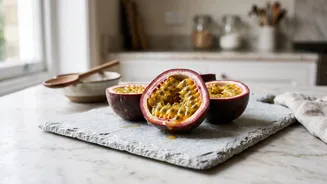
The first thing you'll notice when you make a point of chewing passion fruit seeds is the delightful textural contrast they provide. The pulp of the fruit is soft, gelatinous, and juicy, with a sweet and tart flavour profile. The seeds, which are entirely
edible, introduce a satisfying crunch that elevates the eating experience from a simple slurp to a more complex and engaging mouthful. This combination of soft and crunchy is a key part of what makes eating the fruit whole so appealing. For those who typically strain the seeds to make juice, you're missing out on this unique textural dimension that many chefs and food lovers prize.
A Nutritional Powerhouse
Beyond their texture, passion fruit seeds are packed with nutritional benefits. They are an excellent source of dietary fibre, which is crucial for a healthy digestive system. A single serving of passion fruit can provide a significant amount of your daily fibre needs. The seeds also contain a host of other important nutrients, including magnesium, potassium, vitamin A, and vitamin C. They are a source of healthy fats and even a small amount of protein. This makes the seeds a valuable part of the fruit, contributing substantially to its overall health profile.
Rich in Powerful Antioxidants
Passion fruit seeds are rich in powerful plant compounds and antioxidants, which help protect the body from damage caused by free radicals. One of the most notable compounds is piceatannol, a polyphenol that has been studied for its potential health benefits. Research suggests that piceatannol may help improve insulin sensitivity, which is important for managing blood sugar levels. In fact, studies have indicated that passion fruit is richer in these beneficial polyphenols than many other tropical fruits like bananas, mangoes, and pineapples.
Are They Safe to Eat?
The simple answer is yes, passion fruit seeds are perfectly safe to eat for most people. Unlike the seeds of some other fruits, they do not contain toxic compounds. There is a common myth that they might cause appendicitis, but this is unfounded. However, it's worth noting that due to their high fibre content, consuming a very large quantity of seeds might have a laxative effect or cause mild bloating in those not used to a high-fibre diet. Moderation is key, as with any food. People with a latex allergy should also be cautious, as a cross-reaction can occasionally occur.
How to Enjoy the Whole Fruit
Incorporating the entire pulp and seed mixture into your diet is easy. The simplest way is to cut the fruit in half and scoop out the contents with a spoon. For a less tart flavour, you can sprinkle a little sweetener on top. The pulp and seeds are a fantastic addition to yogurt, granola bowls, or oatmeal for a quick and nutritious breakfast. They can be blended into smoothies, where they add texture and nutrients, or used as a vibrant topping for cheesecakes, pavlovas, and ice cream. You can even whisk them into salad dressings for a tropical twist or stir them into cocktails for an added crunch.