




Prioritise Health and Hygiene
The monsoon season can increase the risk of water-borne and mosquito-borne illnesses. Your health should be your top priority. Always drink bottled, boiled, or properly filtered water. Avoid street food that has been sitting out, especially items that are
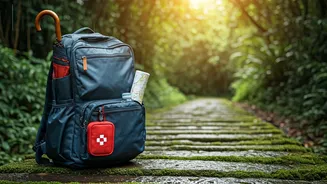
uncooked or washed with tap water, like chutneys or salads. Instead, opt for hot, freshly prepared meals. Carry a basic first-aid kit with essentials like antiseptic wipes, bandages, insect repellent (with DEET), and any personal medications. It’s also wise to include medicines for common ailments like diarrhoea, fever, and allergies, after consulting your doctor. A good mosquito repellent is non-negotiable, particularly in the evenings.
Pack Smart, Not Heavy
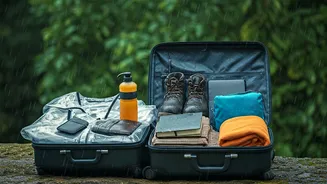
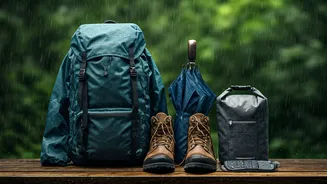
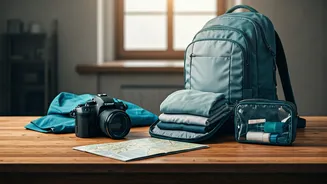
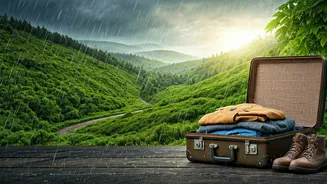
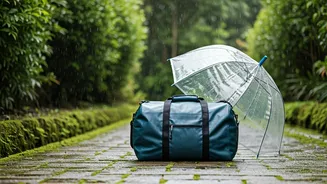
Monsoon packing is an art. The goal is to stay dry and comfortable without hauling a massive suitcase. Opt for synthetic, quick-drying fabrics like nylon and polyester over cotton, which takes ages to dry once wet. Pack at least two pairs of sturdy, waterproof footwear with good grip—think floaters or rubber sandals, not leather shoes or canvas sneakers. A high-quality, lightweight, and windproof raincoat or poncho is more practical than an umbrella, which can be cumbersome in windy conditions. Don't forget to pack a few waterproof bags or zip-lock pouches to protect your wallet, phone, and important documents like your passport and tickets. A quick-dry towel is another invaluable addition to your monsoon travel kit.
Choose Your Transport Wisely
Heavy rains can lead to waterlogging, landslides, and significant travel delays. Be realistic about your transportation plans. While road trips offer scenic views of rain-washed landscapes, they can be risky in hilly areas prone to landslides. Check weather forecasts and local news for road conditions before you set out. Flights can also be delayed or cancelled due to poor visibility, so build buffer time into your schedule. Train travel is often a more reliable option during the monsoon, but services can still be affected. Book your tickets well in advance and be prepared for potential delays. For local travel within cities, auto-rickshaws and app-based cabs are available, but expect surge pricing and longer wait times during downpours.
Protect Your Electronics
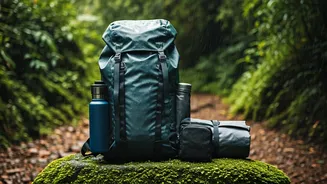
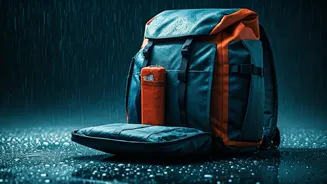
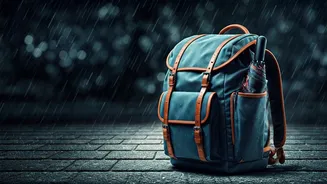
Humidity and water are the enemies of your expensive gadgets. Protecting your camera, smartphone, and laptop is crucial. Invest in a good waterproof backpack or a rain cover for your existing bag. Use silica gel packets inside your camera bag and laptop sleeve to absorb excess moisture and prevent fungal growth on lenses. When you're out and about, keep your phone in a waterproof pouch. If you get caught in a heavy downpour, resist the urge to immediately turn on or charge a wet device. Let it air dry completely for at least 24 hours first. Carrying a power bank is also a smart move, as power cuts can be more frequent during the monsoon.
Embrace a Flexible Itinerary
The one thing you can count on during the monsoon is unpredictability. A perfectly planned day can be washed out by a sudden, intense downpour. The key to enjoying your trip is to remain flexible. Instead of a rigid, jam-packed schedule, create a list of potential activities and be prepared to swap them around. Have a few indoor options in mind, like visiting a local museum, exploring a covered market, or simply enjoying a cup of chai at a cosy café while watching the rain fall. This mindset will help you avoid frustration and appreciate the spontaneous beauty of the season. Sometimes, the best travel memories are made when plans go awry.
Pick the Right Destination
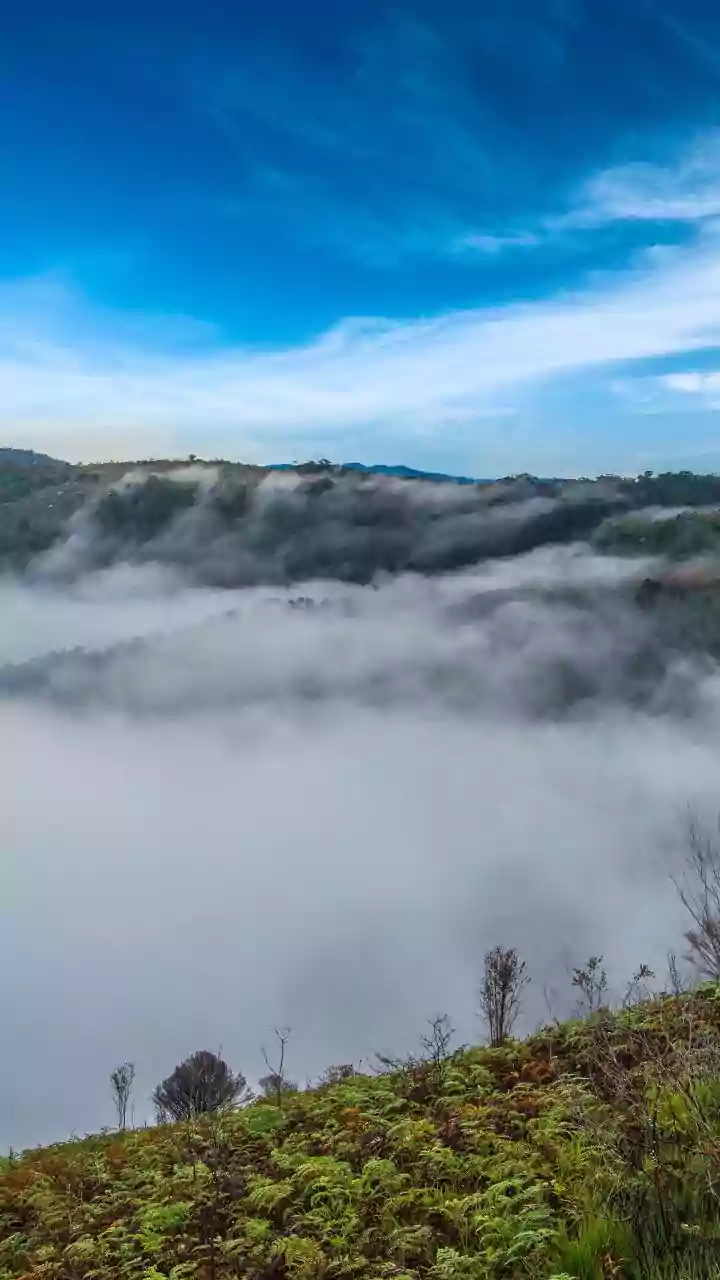
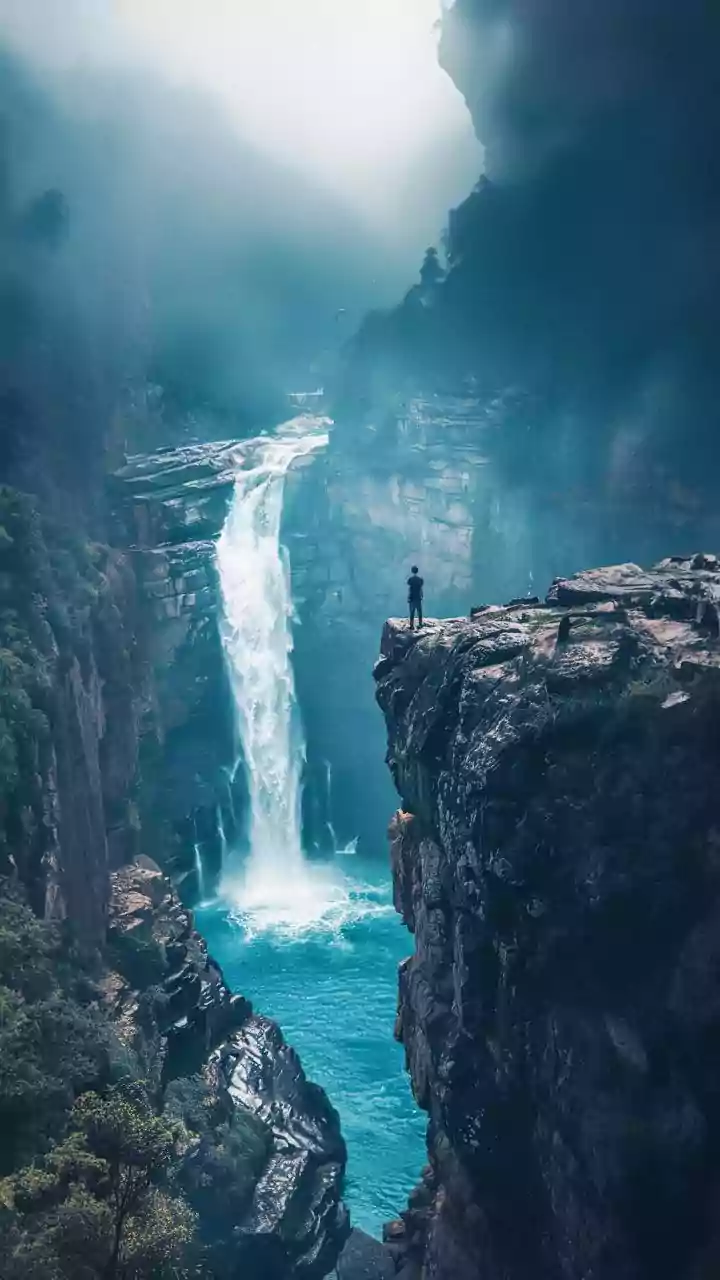
While the monsoon blankets the entire country, its intensity varies. Some regions are best avoided, while others come alive. For instance, heavy rainfall can make trekking in the Himalayas dangerous. However, places like Rajasthan's Udaipur or Bundi, which are arid for most of the year, become stunningly beautiful with the rains. The Western Ghats, including destinations like Goa, Kerala, and Coorg, are lush and breathtaking, offering a different kind of charm with fewer crowds and off-season discounts. Research your destination's specific monsoon pattern before booking. The 'rain shadow' regions, like Ladakh or the leeward side of the Ghats, receive very little rainfall and are excellent alternatives if you want to escape the wet weather altogether.