



Tesla is making a bold pivot. The electric vehicle giant has announced it will wind down production of its polarizing Cybertruck to ramp up manufacturing of the Cybercab, a purpose-built robotaxi. What does this shift signal?
The End of the Cybertruck Era
In a move that surprised many,
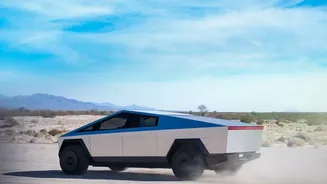
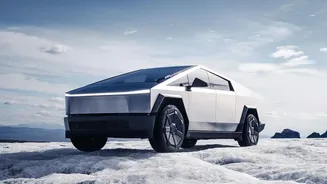
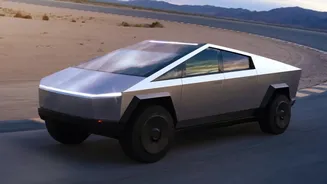
Tesla CEO Elon Musk confirmed that production of the stainless-steel Cybertruck will be phased out at its Texas Gigafactory around the middle of 2027. The decision comes after the futuristic pickup struggled to meet initial, lofty sales predictions. When it launched, Musk had anticipated annual sales of 250,000 units, but figures for 2025 were just over 20,000. The vehicle faced a complex production process, multiple recalls, and a design that was not road-legal in many markets outside of North America. While Musk has called the decision the 'end of an era', he also clarified that the move is not due to the truck being unprofitable. Instead, it's about opportunity cost and prioritizing resources for what he sees as the company's next great frontier.
Enter the Cybercab
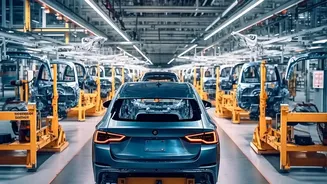
The vehicle taking the Cybertruck's place on the factory floor is the Cybercab—a two-seater, fully autonomous robotaxi with no steering wheel or pedals. This isn't just a new model; it's the physical embodiment of Tesla's long-held ambition to operate a global network of self-driving taxis. Production of the Cybercab officially began at Giga Texas in early 2026, with a limited service already operating in Austin. The manufacturing process for the Cybercab is reportedly revolutionary, designed for extreme efficiency with a high degree of automation that allows a vehicle to be produced in a fraction of the time of a traditional car. The goal is to produce a vehicle for under $30,000 that can generate revenue for Tesla—or its owners—as part of a ride-hailing service.
A Major Strategic Pivot
This production shift represents a fundamental strategic pivot from selling high-margin, niche consumer vehicles to creating a mass-market, service-based transportation ecosystem. The Cybertruck was a statement piece, designed to disrupt the lucrative US pickup market. The Cybercab, by contrast, is a utility vehicle designed for scale and recurring revenue. Musk has emphasized that the decision is about allocating the company's limited engineering talent and factory space toward the Cybercab, which he believes will 'profoundly transform the world of terrestrial transport'. It's a bet that the future of Tesla is not just in selling cars to individuals, but in selling autonomous miles to the masses.
What Happens to the Cybertruck?
For current and prospective Cybertruck owners, the news has been met with mixed reactions. Musk has stated that the current order backlog for the Cybertruck is larger than what the company can build before the production line is dismantled in mid-2027. To address this, Tesla plans to add an extra shift to maximize output. However, many customers with deposits may ultimately see them returned. The company has assured current owners that it will continue to provide service and spare parts for the vehicles already on the road. It remains unclear if production could eventually move to another facility, but for now, the Giga Texas plant is the only one equipped to build the highly specialized truck.