






The Heart of the Monsoon
Karkidakam, the final month in the Malayalam calendar, which runs from mid-July to mid-August, is a time of contrasts. It marks the peak of the monsoon, a period historically associated with both reverence and hardship. The incessant rains once meant
flooded fields, a halt to outdoor work, and a higher risk of waterborne diseases, leading many to call it the month of scarcity. Yet, it is also a time for spiritual reflection and rejuvenation, known as the 'Ramayana Masam,' when families recite the epic for strength and fortitude. Ayurveda views this season as a time when the body's digestive fire, or Agni, is naturally weaker, and immunity is low, making people more susceptible to illness. This unique intersection of climate, culture, and health concerns creates the perfect context for a specific kind of nourishment.
A Bowl of Balanced Wellness
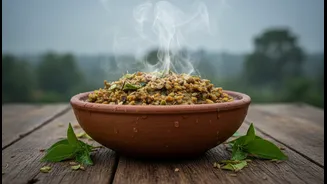
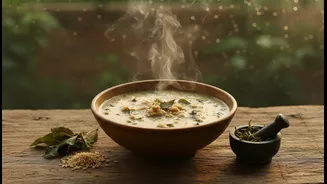
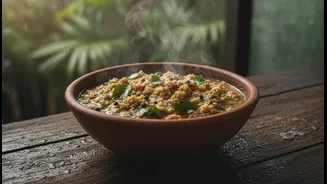
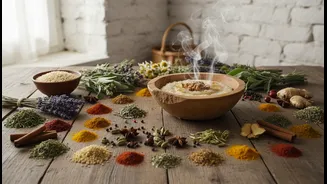
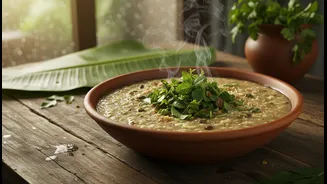
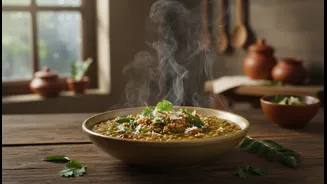
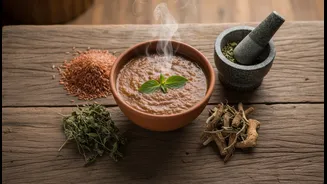
Enter Karkidaka Kanji, a medicinal rice porridge that is more than just a meal. Also known as Oushadha Kanji (medicinal gruel), its purpose is deeply rooted in the Ayurvedic principle of 'Ritucharya', or seasonal regimen. The base is typically Njavara rice, a local variety prized for being light and easy to digest. This is slow-cooked with an array of herbs and spices, each with a specific role. Ingredients like fenugreek, cumin, and dry ginger are chosen to rekindle the weakened digestive fire and ease bloating. Herbal formulations such as Dashamoola (a blend of ten roots) are added to support immunity and reduce inflammation, which can be aggravated by the damp weather. It is a carefully constructed dish designed to warm, nourish, and protect the body when it's most vulnerable.
The Story vs. The 'Superfood' Hype
Herein lies the challenge. In an age of global wellness trends, it is easy to strip Karkidaka Kanji of its context and repackage it as an exotic 'superfood'. The danger is in overstating its properties with unsupported claims, calling it a miracle cure rather than a supportive, seasonal food. Traditional wisdom suggests it helps boost immunity and aids digestion, which is consistent with the properties of its ingredients. However, this is different from claiming it can cure specific diseases. The porridge is part of a holistic system of 'Karkidaka Chikitsa' (monsoon treatment) that includes specific routines and, at times, practitioner-led therapies. To appreciate it is to understand its role as a piece of a larger cultural and health puzzle, not as a standalone magic bullet.
Beyond Kerala: A Pan-Indian Pantry Wisdom
The logic behind Karkidaka Kanji is not unique to Kerala. Across India, monsoon culinary traditions reflect a similar understanding of seasonal needs. Bengal's comforting Khichuri, often made with warming spices, serves a similar purpose. In Goa, millet-based porridges like tizaan and ambil become staples, providing light yet restorative energy. In Maharashtra, a simple, quick-cooking bowl of Pithla made from gram flour, paired with a millet bhakri, is a go-to meal. These dishes are born from the same pantry wisdom: when the weather is damp and digestion is sluggish, eat warm, light, and easily digestible foods. They are a testament to generations of observation and a deep connection to the environment, using locally available ingredients to address the specific challenges of the season.
How to Appreciate, Not Appropriate
Telling the story of Karkidaka Kanji and other regional porridges requires respect and nuance. The first step is to avoid words like 'discovered' or 'exotic', which frame these long-standing traditions through a colonial lens. Instead of just listing health benefits, focus on the cultural context—the stories of grandmothers, the significance of the month, and the connection to the land. The purpose is not to 'elevate' a humble porridge but to understand why it has been valued for centuries. Appreciating this tradition means seeing it not as a trend to be consumed, but as a rich narrative about community, resilience, and the profound wisdom of eating in harmony with the seasons.