
The Biscuit's Enduring Reign
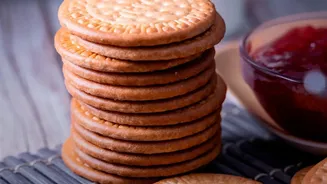
Let's be clear: biscuits are not disappearing from Indian homes. The biscuit market in India remains a massive and growing industry, with major players like Britannia and Parle holding significant market shares. For millions, the day is incomplete without
a glucose, Marie, or cream biscuit. These products are affordable, accessible, and deeply embedded in the national psyche. The rural market, in particular, which accounts for over half of all biscuit consumption, continues to be a stronghold. Brands have successfully penetrated these areas with small, budget-friendly packs that make biscuits an everyday staple rather than an occasional treat. The industry's growth is still steady, projected to expand significantly by 2030, proving its deep-rooted position in Indian culture and commerce.
The Health-Conscious Shift
The first major crack in the biscuit's dominance comes from a powerful, global trend: health consciousness. A growing number of urban Indian consumers are no longer snacking mindlessly; they are snacking mindfully. This shift is driven by rising awareness about lifestyle diseases and a desire for functional foods that do more than just satisfy a craving. According to a recent consumer study, a staggering 72% of Indians now consider health a primary factor when choosing a snack. They are actively reading labels, seeking out products with high protein, low sugar, and natural ingredients. This has created a surge in demand for snacks that align with wellness goals, with reports indicating that the 'smart snacking' category is growing 1.2 times faster than traditional formats.
Rise of the Snack Alternatives
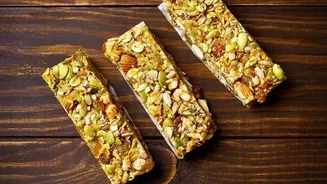
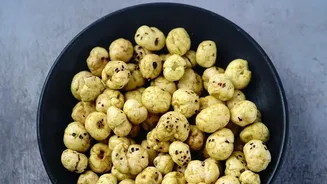
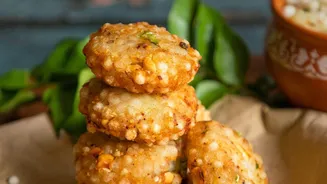
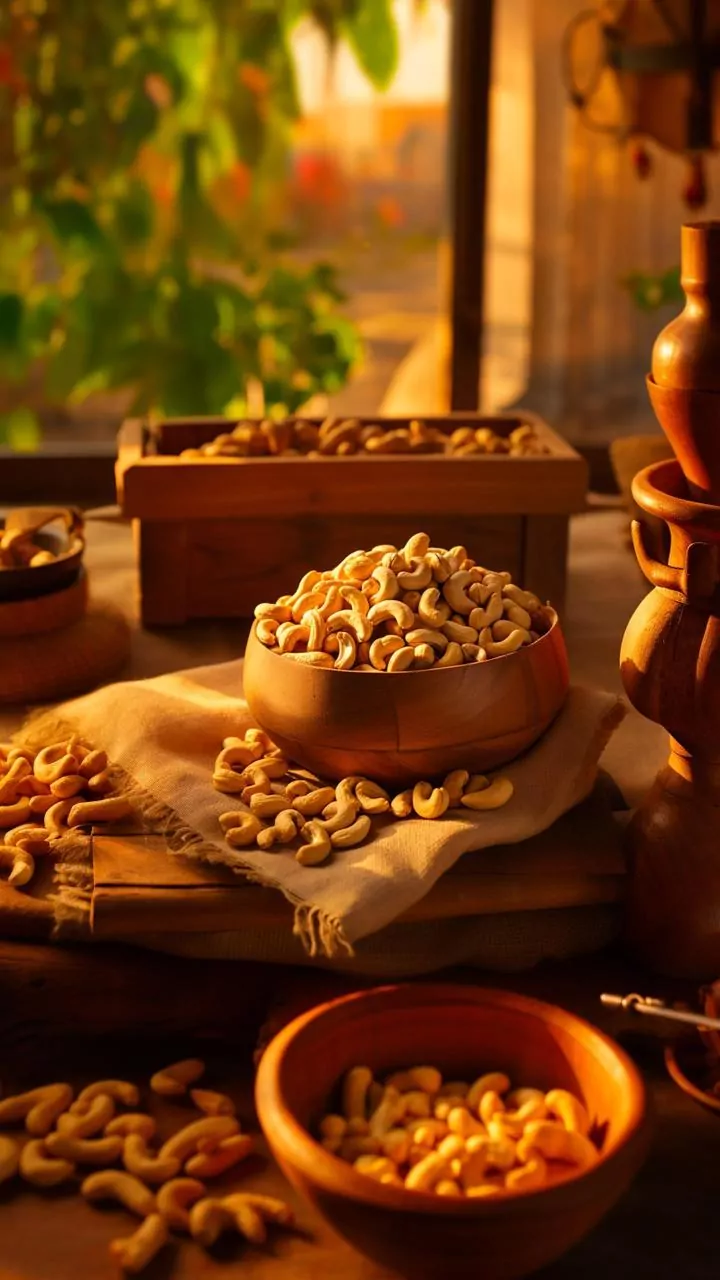
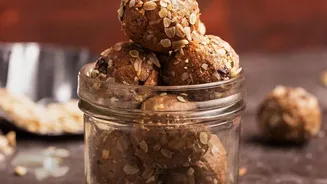
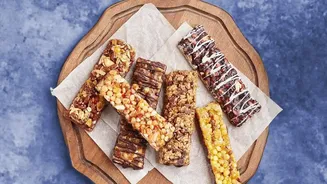
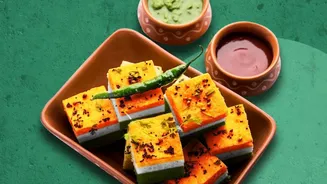
So, what are people eating instead? The answer is, a bit of everything. The Indian healthy snacks market is booming, projected to become a multi-billion dollar opportunity. This isn't about one single product replacing the biscuit, but a diversification of the entire snack plate. Popular alternatives include roasted and flavoured dry fruits, which are preferred by many for their natural goodness. Makhana (fox nuts) has seen a meteoric rise, capturing a significant share of the health snack market. Other formats like baked (not fried) chips, millet-based snacks, granola bars, and protein-centric options are also gaining immense popularity, especially among younger consumers. Even traditional namkeens are getting a modern, healthier makeover with companies launching baked or vacuum-cooked versions.
How Legacy Brands Are Responding
The giants of the food industry are not sitting idle. They see the writing on the wall and are innovating to stay relevant. Major FMCG players are launching their own 'better-for-you' product lines. For instance, PepsiCo's Kurkure brand has introduced millet-based puffs, moving a once-niche health ingredient into the mass market. ITC has expanded its Sunfeast range to include millet cookies and other health-focused snacks as part of its 'Help India Eat Better' strategy. Even within their traditional biscuit portfolios, companies are pushing premium and health-oriented variants like digestive, multigrain, and oat-based biscuits. This segment is growing much faster than the conventional glucose biscuit category, showing a clear response to evolving consumer demand.
The New Age of Snacking
The shift is also being accelerated by new-age D2C (direct-to-consumer) brands and the explosion of quick commerce. These nimble startups are masters of social media, building brand loyalty around claims of 'clean labels' and transparent ingredients—factors that 62% of consumers now rate as highly important. Meanwhile, quick commerce platforms like Blinkit and Zepto have made it incredibly easy for consumers to discover and purchase these new-age snacks, often delivering them in minutes. This digital disruption has created a dynamic and competitive landscape where smaller, innovative brands can effectively challenge the dominance of established players.