
Beyond Finding Water
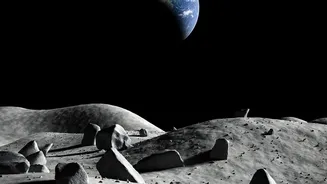
For years, scientists have known that water ice exists on the Moon, primarily tucked away in permanently shadowed regions (PSRs) near the poles where sunlight never reaches. These craters are some of the coldest places in the solar system. The latest
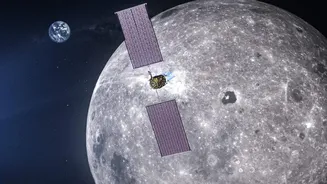
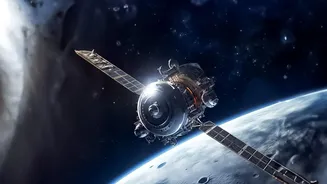
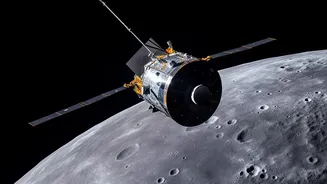
breakthroughs, however, are not about simply confirming the presence of water, but about mapping its distribution and accessibility with unprecedented detail. Orbiters like NASA's Lunar Reconnaissance Orbiter (LRO) and findings from India's Chandrayaan missions have provided data suggesting water ice may be more widespread than previously thought, extending beyond the deepest, darkest craters. This shift from discovery to detailed surveying is a pivotal moment, transforming our understanding of the Moon from a scientific curiosity into a viable staging point for deeper space exploration.
A High-Tech Treasure Map
Creating this lunar water map involves a suite of sophisticated instruments. Neutron spectrometers aboard orbiters detect hydrogen, a key component of water, allowing scientists to identify areas with high potential for ice. Data from instruments like the LRO's Diviner have been used to create detailed temperature maps, identifying the frigid 'cold traps' where ice can remain stable for billions of years. More recent studies have even proposed using seismology—listening for how moonquakes travel through the ground—to detect buried ice that is invisible to orbiting spacecraft. This multi-faceted approach combines different datasets to build a comprehensive model of where ice is likely concentrated, both on the surface and just beneath the lunar soil, known as regolith.
From Ice to Rocket Fuel
The excitement surrounding lunar ice isn't just about providing drinking water for astronauts. Its real value lies in its potential to be converted into rocket propellant. The process, known as electrolysis, uses electricity—generated by solar panels on the lunar surface—to split water (H2O) into its constituent elements: hydrogen and oxygen. When cryogenically cooled into liquid form, these two elements become a potent rocket fuel and oxidizer, the same combination that has powered space missions for decades. Developing the technology to mine, melt, and process this ice is a major focus for agencies like NASA. Projects like CryoFILL are testing systems designed to liquefy these gases in the lunar environment, paving the way for in-situ resource utilization (ISRU).
A 'Gas Station' in the Sky
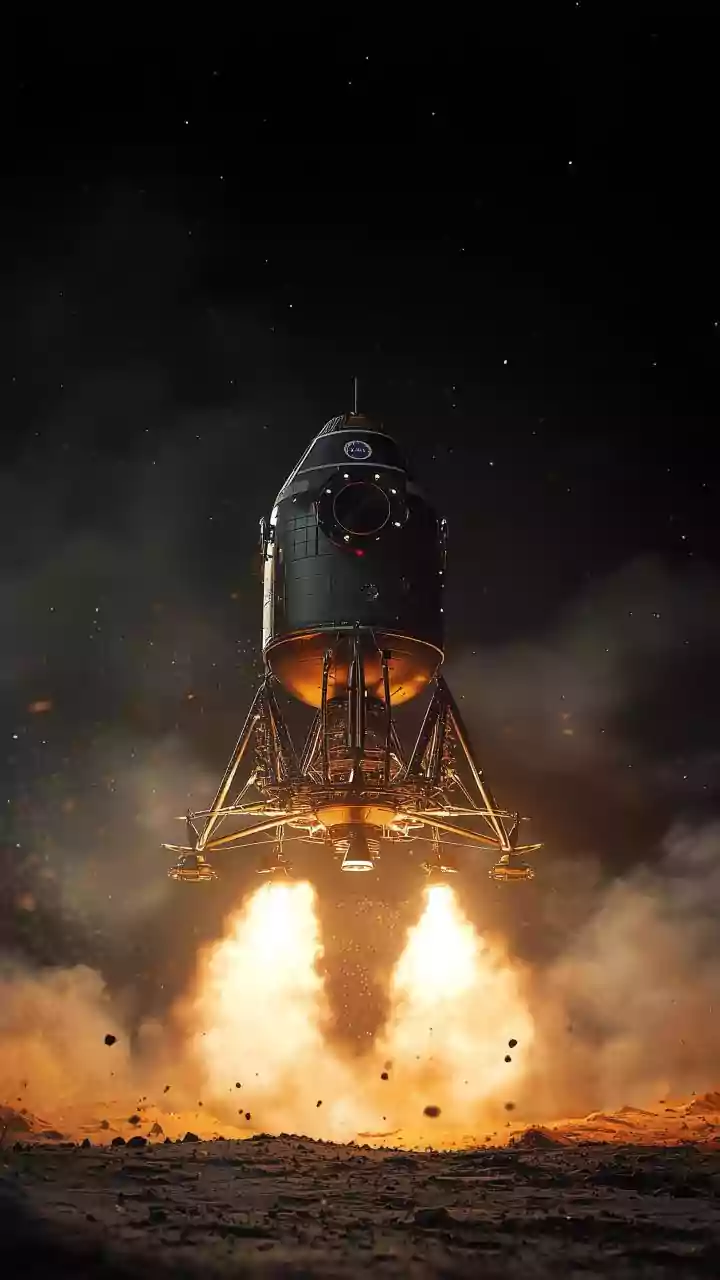
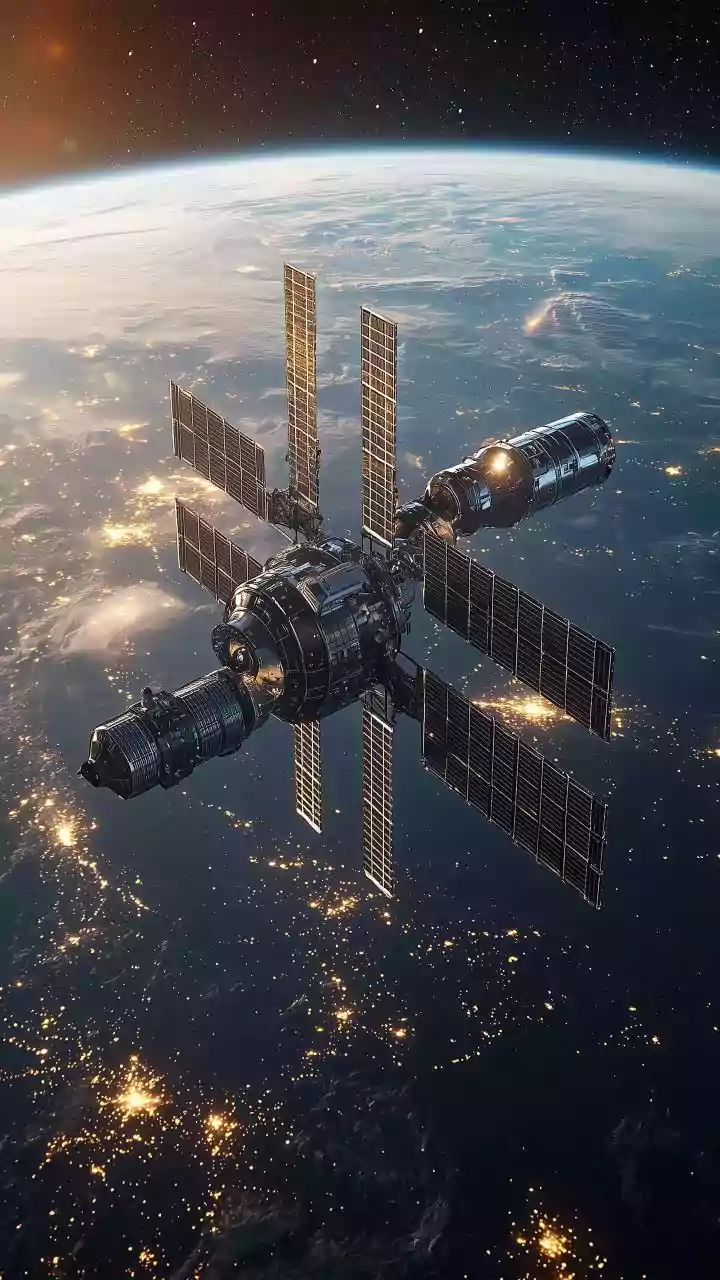
The ability to produce rocket fuel on the Moon would revolutionize space travel. Launching missions from Earth is incredibly expensive and inefficient, largely because of the massive amount of fuel required to escape our planet's strong gravity. A rocket launching from the Moon needs far less energy. A lunar base with refuelling capabilities would function like a 'gas station' in the sky, allowing spacecraft to launch from Earth with lighter fuel loads, top up their tanks on the Moon, and then proceed to destinations like Mars. This strategy could drastically reduce the cost of deep-space missions—by as much as $12 billion for a trip to Mars, according to one expert—making sustained interplanetary exploration economically feasible.
The Road Ahead is Still Icy
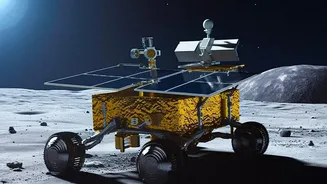
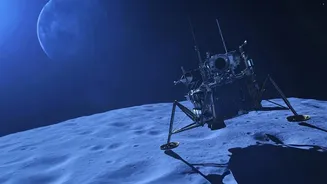
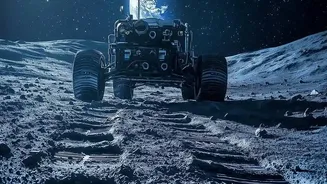
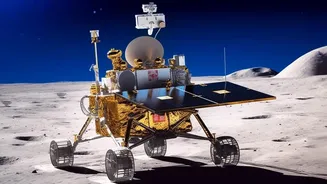
Despite the promise, significant challenges remain. The permanently shadowed craters where ice is most abundant are incredibly harsh environments, with temperatures plummeting to near absolute zero. Designing robotic miners and processing plants that can operate in such extreme cold is a major engineering hurdle. Future missions are designed to tackle these questions head-on. NASA's VIPER (Volatiles Investigating Polar Exploration Rover) mission, now slated to fly with Blue Origin in 2027, is designed to be the first resource-mapping mission on another celestial body. It will drive into these dark craters to directly analyze the ice, measuring its concentration and depth. These ground-truth measurements are the final piece of the puzzle needed before large-scale extraction can be planned.