


Sabudana Khichdi from Maharashtra
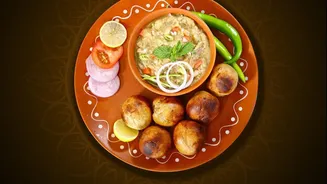
No Sawan fast feels complete without a mention of Sabudana Khichdi, a dish practically synonymous with vrat observance in Maharashtra and beyond. These soft, chewy tapioca pearls are soaked and then tossed with roasted peanuts, boiled potatoes, cumin,
and green chillies. It’s a light yet incredibly filling dish that provides a much-needed energy boost during fasting days. The delightful contrast of textures—soft sago, crunchy peanuts, and tender potatoes—makes it a comforting classic that has become a pan-Indian fasting staple.
Kuttu ki Puri from North India
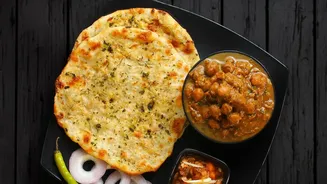
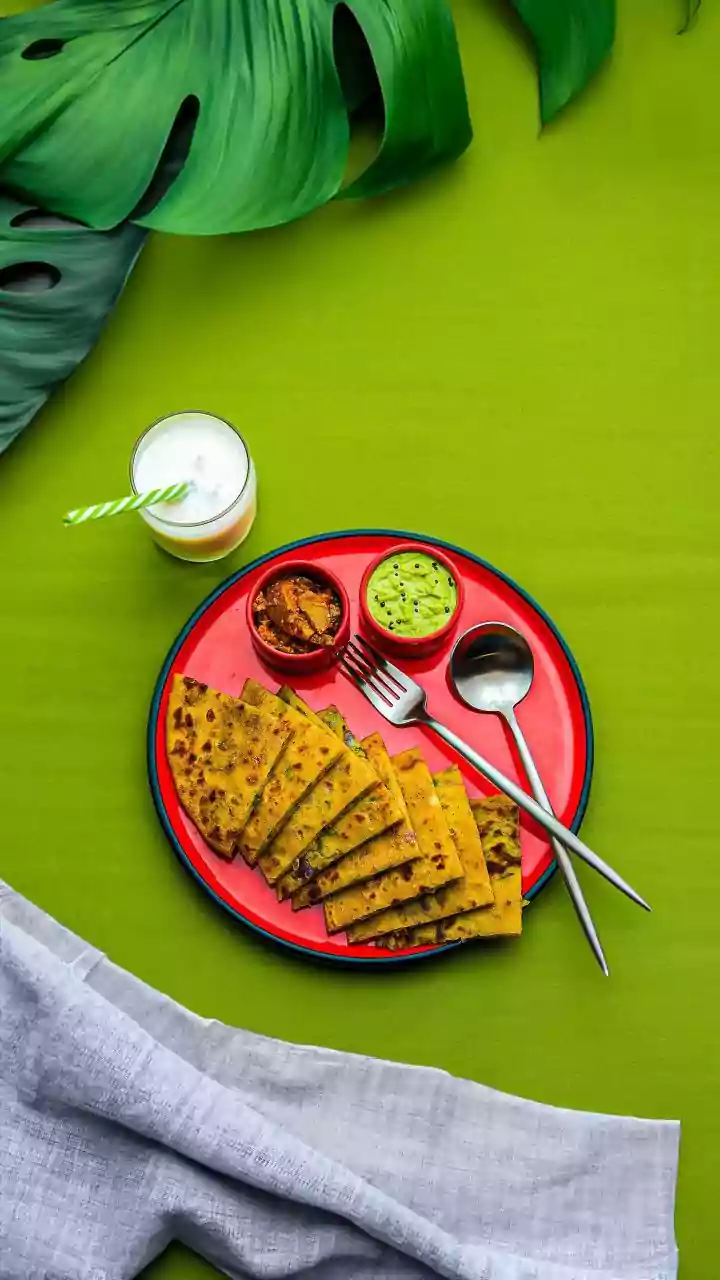
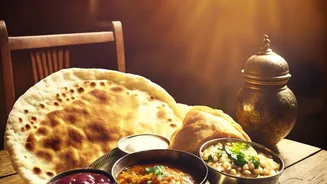
Across North India, especially in states like Uttar Pradesh and Punjab, Sawan Mondays often feature the hearty and satisfying Kuttu ki Puri. Made from buckwheat flour, known as kuttu ka atta, this dough is often mixed with mashed potatoes before being rolled out and fried into crisp, fluffy puris. Since regular grains like wheat are often avoided, buckwheat serves as a nutritious and permissible alternative. These dark, nutty-flavoured puris are typically paired with a simple, vrat-friendly potato curry cooked without onion or garlic, turning a day of fasting into a feast.
Ghewar from Rajasthan
Sawan in Rajasthan is incomplete without Ghewar, a spectacular dessert particularly associated with the festival of Hariyali Teej, which falls during this month. This intricate, disc-shaped sweet is made by drizzling a thin batter into hot ghee to create a delicate, honeycomb-like structure. It is then soaked in sugar syrup and often garnished with rabri (thickened sweet milk) and nuts. Ghewar is more than just a sweet; it’s a cultural symbol, often sent as a gift from a mother to her married daughter's home during Sawan.
Makhana Kheer from Bihar
Bihar, a major producer of makhana (fox nuts), naturally incorporates this versatile ingredient into its festive and fasting cuisine. Makhana Kheer is a creamy, comforting dessert perfect for Sawan. The fox nuts are lightly roasted in ghee until crisp, then simmered in milk until they soften, absorbing the sweet, fragrant flavours of cardamom and sugar. Rich in calcium and protein, makhana makes for a dessert that is both indulgent and nourishing, embodying the spirit of mindful eating during the holy month.
Singhare Atte ka Halwa from Punjab and Haryana
Another popular fasting flour, singhare ka atta (water chestnut flour), is used to create a simple yet delicious halwa in regions like Punjab, Haryana, and Rajasthan. This dessert has a uniquely smooth and nutty flavour. The flour is roasted in ghee until aromatic before sugar and water or milk are added to create a thick, glossy pudding. The resulting halwa is not just a sweet treat but also a source of energy, making it ideal for breaking a day-long fast. Its soft texture is particularly comforting during the cool, rainy evenings of Sawan.
Arbi ke Pakode from Uttarakhand
In the hilly state of Uttarakhand, where monsoon traditions are deeply cherished, arbi (colocasia or taro root) finds its way into the Sawan menu. This starchy vegetable is boiled, mashed, and mixed with vrat-friendly flours like buckwheat or water chestnut flour, along with rock salt and mild spices, to form crispy pakodas or fritters. The combination of a crunchy exterior and a soft, tender inside makes these pakodas an incredibly satisfying snack, especially when enjoyed with a cup of tea on a rainy day.
Narali Bhaat from the Konkan Coast
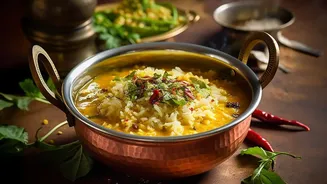
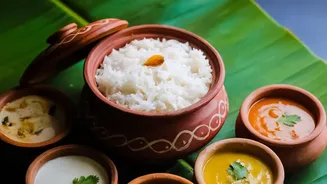
Along the Konkan coast, particularly in Maharashtra, the end of Sawan is marked by Narali Purnima, a festival where coconuts are offered to the sea. This reverence for the coconut is reflected in Narali Bhaat, or sweet coconut rice. Fragrant rice is cooked with fresh coconut, jaggery, cardamom, and cloves, creating a sweet and aromatic dish that is both an offering and a celebration. It’s a beautiful example of how regional ingredients and local customs come together to create a unique culinary tradition tied to the rhythms of nature and faith.