




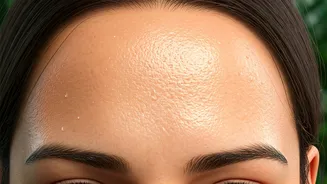




Why Your Skin Struggles in the Monsoon
High humidity is the primary culprit behind monsoon skin woes. The increased moisture in the air prevents sweat from evaporating, trapping it on your skin's surface. [3, 12] This mixture of sweat, oil, and dirt can clog pores, leading to breakouts and a grimy
feeling. [3] The constant dampness also weakens the skin's natural barrier, making it a perfect breeding ground for bacteria and fungi. [5, 12] This can result in a spike in issues like fungal infections, acne, eczema flare-ups, and general itchiness. [5, 6] Even those with dry skin aren't immune; while the air is moist, the wrong products can still cause irritation or rashes. [3]
For Oily and Acne-Prone Skin
If your skin is already oily, the monsoon can send sebum production into overdrive. [14] The excess oil, combined with sweat, creates an ideal environment for acne-causing bacteria to thrive, leading to more frequent breakouts, blackheads, and whiteheads. [3, 6] This is also the season when fungal acne—small, itchy, uniform bumps often on the forehead and chest—can flare up due to yeast overgrowth in the humid conditions. [7, 9] **Your Monsoon Plan:** Switch to a lightweight, gel-based moisturiser that hydrates without feeling heavy. [4, 6] Cleanse your face twice daily with a gentle, oil-free face wash, possibly one containing salicylic acid to keep pores clear. [5, 4] A niacinamide serum can be a hero ingredient, helping to regulate oil production and strengthen the skin barrier. [4, 23] Using a clay-based face mask once a week can also help draw out excess sebum and prevent congestion. [4]
For Dry Skin
You might think high humidity is good for dry skin, and it can offer some initial relief. [3] However, the challenges are different. Your skin can still become dehydrated, and trapped sweat can lead to irritation, redness, and itching. [3, 5] Some people find their skin becomes eczematous as it fails to retain moisture properly despite the humid air. [24] Using heavy creams that felt perfect in winter can feel suffocating now, potentially clogging pores or causing irritation. [4] **Your Monsoon Plan:** The key is smart hydration. Use a gentle, hydrating cleanser that doesn't strip your skin of its natural oils. [14, 11] Follow up with a lightweight but nourishing moisturiser. [11] Look for ingredients like hyaluronic acid, which draws moisture into the skin, and ceramides to support your skin barrier. [4, 11] Even though your skin feels dry, avoid heavy, occlusive creams and opt for lotions or gel-creams that provide hydration without a greasy residue. [8]
For Combination and Sensitive Skin
Combination skin can be particularly tricky during the monsoon, as the T-zone (forehead, nose, and chin) gets oilier while cheeks may remain normal or even feel dry. [14] For sensitive skin, the high humidity, increased sweating, and proliferation of microbes can trigger flare-ups, including redness, rashes, and conditions like eczema. [3, 5] Damp clothes and exposure to pollutants in rainwater can further aggravate sensitive skin. [10, 5] **Your Monsoon Plan:** For combination skin, adopt a zonal approach. Use lightweight, oil-controlling products on your T-zone and a more hydrating lotion on your cheeks. [19] For sensitive skin, simplicity is key. Use fragrance-free, hypoallergenic products with soothing ingredients like aloe vera, chamomile, or centella asiatica. [11, 4] A gentle, pH-balanced cleanser is crucial, and you should avoid harsh scrubs that can compromise your already delicate skin barrier. [10, 8]
Universal Monsoon Must-Dos
Regardless of your skin type, some rules apply to everyone during the rainy season. First, never skip sunscreen. UV rays penetrate clouds, and a broad-spectrum, water-resistant sunscreen is non-negotiable. [8, 13] Gel-based formulas are often more comfortable in humid weather. [11] Second, exfoliate mindfully. While it's important to slough off dead skin cells that can clog pores, over-exfoliating can damage the skin barrier. [4] Aim for gentle chemical exfoliation with AHAs or BHAs 2-3 times a week. [4, 8] Finally, maintain good hygiene. Change out of wet clothes promptly, use a clean towel, and try to keep areas prone to fungal infections, like skin folds, as dry as possible. [5, 6, 10]