



Understanding Your Protein Needs
Protein is an essential building block for your body, crucial for muscle repair, immune function, and overall health. According to the Indian Council of Medical Research (ICMR), a healthy sedentary adult needs about 0.8 to 1 gram of protein per kilogram
of body weight daily. This means a person weighing 65 kg requires approximately 52 to 65 grams of protein each day. However, this need increases for those who are physically active, pregnant, or looking to build muscle. Many Indian diets, often rich in carbohydrates, can fall short of this target, but hitting your goal is easier and more affordable than you might think.
The Power of Pulses (Dal)
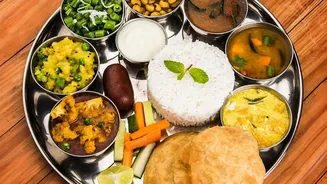
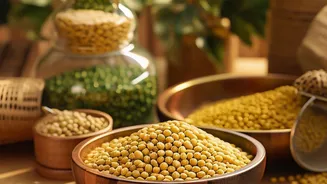
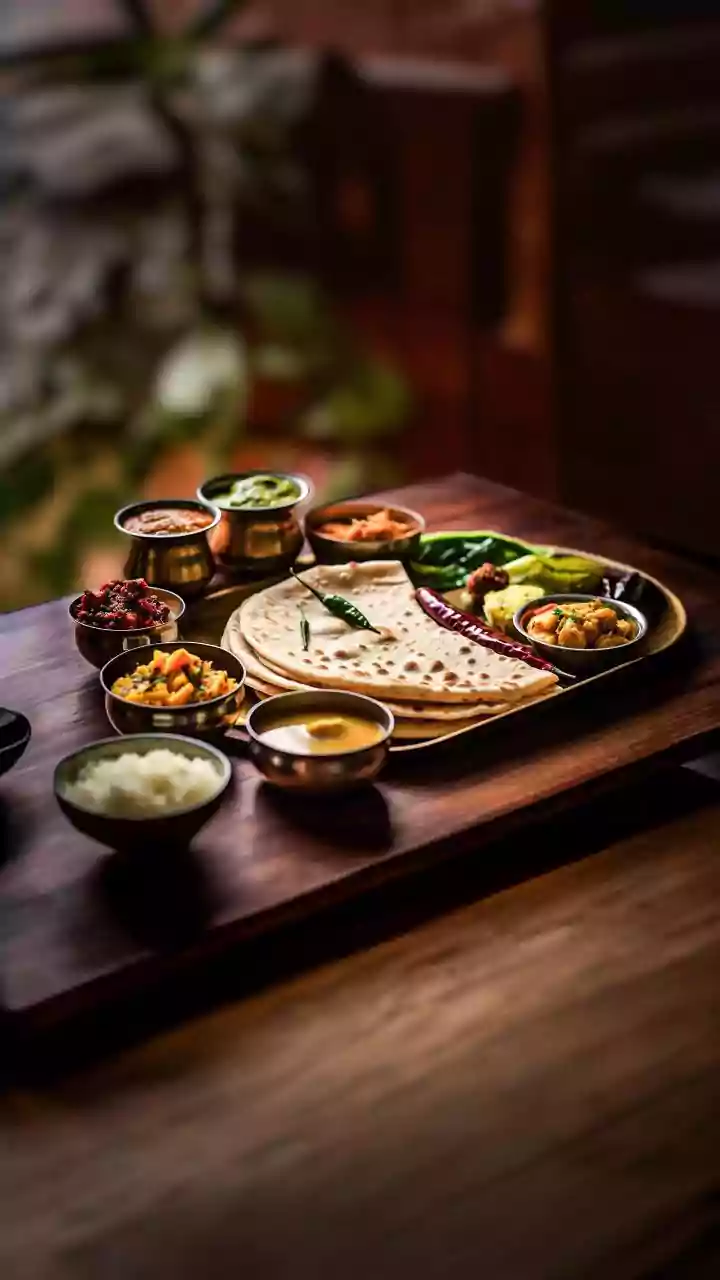
Dals are the cornerstone of Indian cuisine and a fantastic, budget-friendly protein source. Most uncooked dals, including moong, masoor, and urad dal, contain a remarkable 22 to 25 grams of protein per 100g. While cooking dilutes this concentration due to water absorption (to about 7-9g per 100g cooked dal), a single bowl (katori) can still provide a solid 8-12 grams of protein. Most dals are not 'complete' proteins on their own, as they lack certain essential amino acids. However, the traditional Indian practice of pairing dal with rice or roti creates a complete protein profile, as the grains provide the amino acids that dals are missing.
Wholesome Grains and Millets
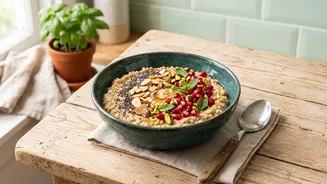
Cereals are not just for carbohydrates; many are also a good source of protein. Whole grains and millets, once considered humble foods, are now celebrated for their nutritional prowess. Millets like jowar (sorghum), bajra (pearl millet), and ragi (finger millet) contain between 7-12% protein. Foxtail millet, for example, offers about 12g of protein per 100g. These grains are also packed with dietary fibre, vitamins, and minerals, making them a fantastic addition to any diet. Combining different grains or having them alongside pulses ensures a well-rounded nutrient intake.
Dairy Delights
Dairy products are an excellent and easily accessible source of complete protein, meaning they contain all the essential amino acids your body needs. Paneer (Indian cottage cheese) is a protein heavyweight, providing around 18-21 grams of protein per 100g serving. It is incredibly versatile and can be used in curries, bhurji, or grilled as a snack. Curd (dahi) is another valuable source, not just for protein but also for probiotics that aid gut health. Even a simple glass of milk contributes around 8 grams of protein.
The Soya Surprise
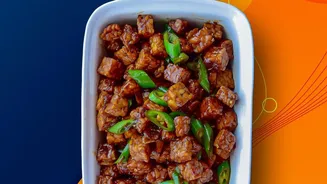
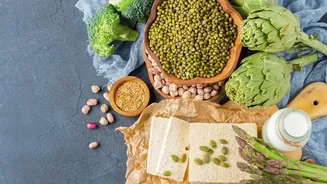
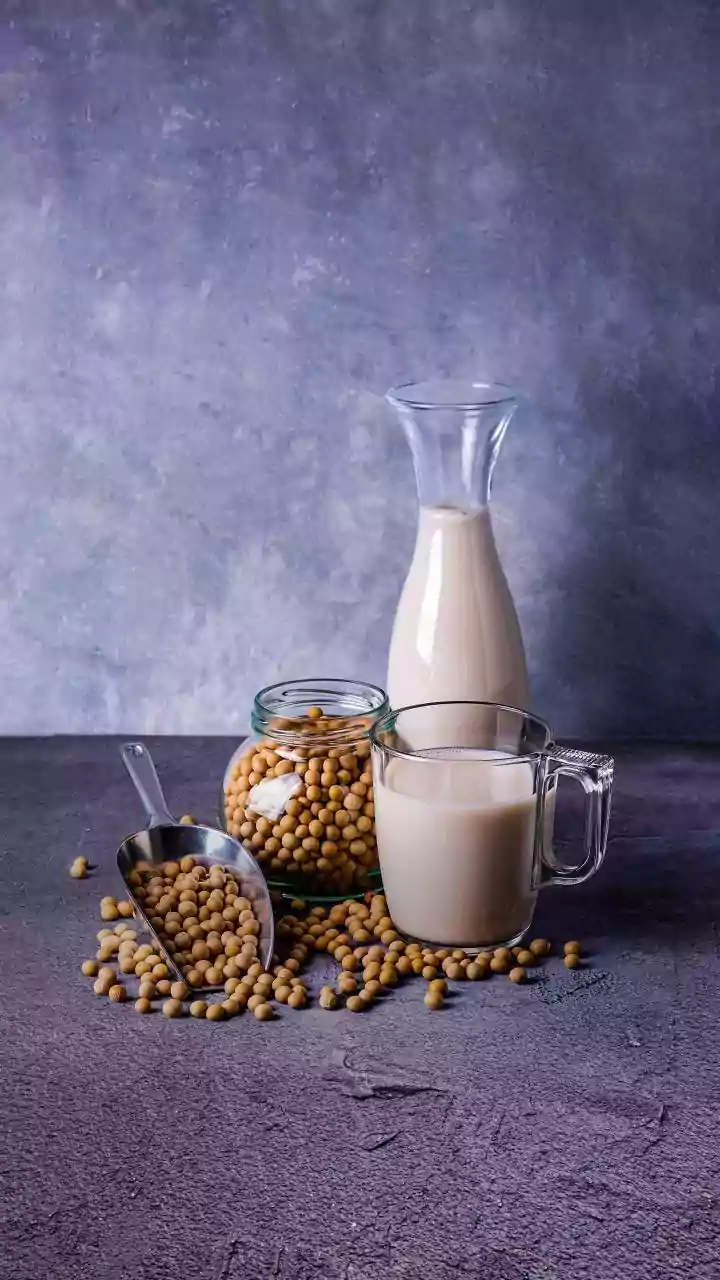
For vegetarians seeking a protein powerhouse on a budget, look no further than soya. Soya chunks are one of the most protein-dense foods available, boasting an incredible 52 grams of protein per 100g in their dry form. After cooking, a realistic serving still provides a significant protein boost. Tofu, made from soybeans, is another excellent option, offering around 15-17g of protein per 100g and serving as a low-fat alternative to paneer. Both soya chunks and tofu are complete proteins and are extremely versatile in Indian cooking, absorbing flavours beautifully in curries, stir-fries, and pulao.
Nuts, Seeds, and Legumes
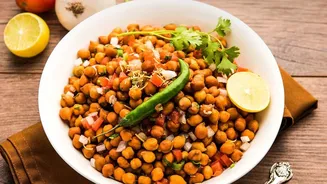
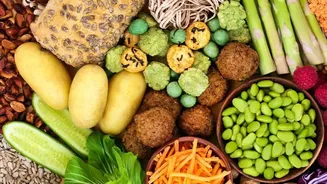
Beyond the mainstays, other legumes, nuts, and seeds offer a significant and affordable protein boost. Chickpeas (chana) and kidney beans (rajma) are classic choices, with a cooked cup providing around 15 grams of protein. Peanuts are another inexpensive hero, with about 26g of protein per 100g. Roasted chana makes for a perfect high-protein snack. Even small additions like a handful of pumpkin or sunflower seeds can add a few extra grams of protein to your meals, along with healthy fats and other essential nutrients.