


A Paradise Under Pressure
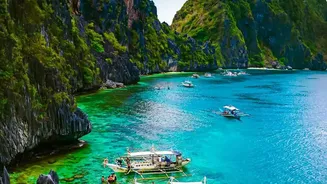
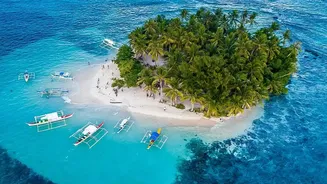
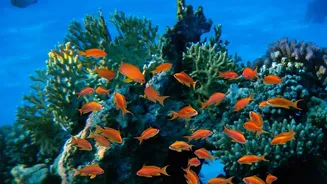
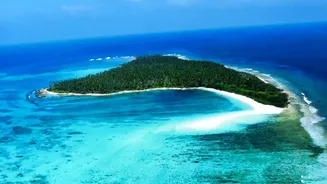
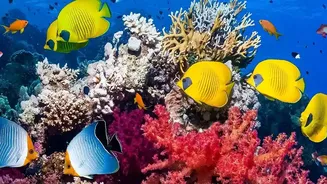
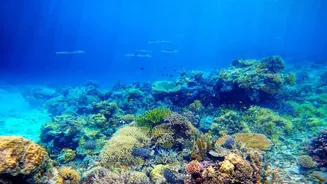
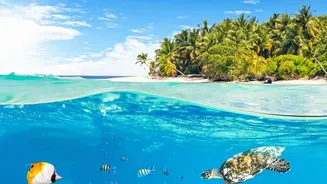
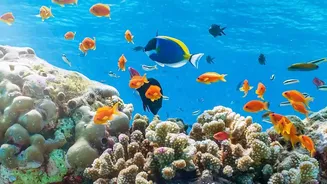
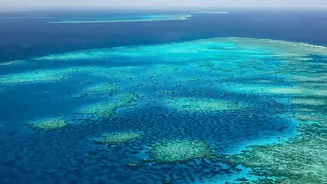
The Lakshadweep archipelago is more than just a string of 36 picturesque islands; it's a delicate marine ecosystem built by corals. These underwater 'rainforests' are vital, supporting about 25% of all marine life and acting as natural barriers that protect
the islands from coastal erosion. However, this vibrant world is under threat. Rising sea temperatures have led to devastating mass coral bleaching events, with significant episodes recorded in recent years. Beyond global warming, human pressures like pollution and potential damage from tourism add another layer of risk to these sensitive habitats. The very foundation of the islands depends on the health of these reefs, making their protection a matter of survival.
A 'Low Volume, High Value' Philosophy
Recognizing these vulnerabilities, the Lakshadweep administration has adopted a cautious and deliberate approach to tourism, often described as 'low volume, high value'. The core idea is to limit the number of visitors to ensure the ecological carrying capacity of the islands is not breached. This strategy is managed primarily by the Society for Promotion of Nature Tourism and Sports (SPORTS), a body formed by the administration in 1982. SPORTS acts as the nodal agency, operating the few tourist resorts and package tours, ensuring all activities align with the administration's eco-friendly policies. This controlled model aims to provide a memorable experience for tourists while safeguarding the environment and the local way of life.
The Pillars of Protection
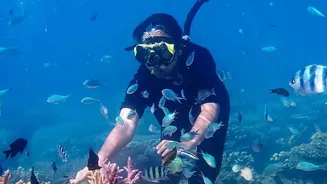
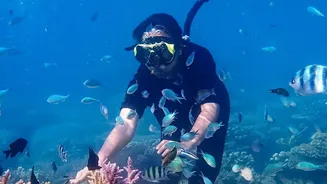
Several key guidelines form the backbone of Lakshadweep's sustainable tourism model. First, access is tightly controlled. All visitors require a permit, and applications must specify the exact islands they intend to visit, preventing unmanaged tourist flow. There's a strict ban on single-use plastics across the islands to combat marine pollution, a simple yet highly effective measure. For new construction, guidelines mandate eco-friendly designs, such as thatched roofs, rainwater harvesting systems, and biological toilets, to minimize the environmental footprint. Even recreational activities are regulated; water sports like scuba diving and snorkeling have strict rules to protect the delicate coral. Tourists receive training on responsible diving and are encouraged to join educational tours focused on conservation.
Community and Conservation in Action
The administration's policies are not just top-down; they actively involve the local community as stewards of their environment. SPORTS, for instance, focuses on providing employment opportunities to educated locals within the tourism sector. The goal is to foster community-based tourism where residents benefit directly, creating a natural incentive for conservation. This approach also extends to scientific efforts. While reefs have suffered from bleaching, recent discoveries offer a glimmer of hope. In early 2026, scientists found a new, thriving stretch of coral reef near Kalpeni island, highlighting the ecosystem's resilience. Such 'hope spots' can serve as natural laboratories, providing crucial insights for reef restoration efforts elsewhere and reinforcing the importance of protective measures.
A Model for the Future?
While challenges remain, Lakshadweep's carefully managed approach is increasingly seen as a blueprint for sustainable development in fragile environments. By prioritizing ecological integrity over mass tourism, the administration has managed to preserve the islands' pristine nature. The strategy has been recognized for its success in protecting the environment while creating awareness. The recent easing of some permit rules, such as removing the need for a local sponsor, aims to make travel more accessible without compromising on security or environmental checks, which are now handled internally. This shows an ongoing effort to balance accessibility with the core principle of preservation.