








Why Your Gut Needs Extra Care During Monsoon
While the rains offer a respite, the accompanying humidity creates a perfect breeding ground for bacteria and viruses. [2] This increases the risk of consuming contaminated food and water, leading to issues like bloating, indigestion, and diarrhoea. [3,
5] The body's digestive system also tends to become sluggish in this weather, making it harder to process heavy, oily foods. [2] Therefore, opting for light, easy-to-digest meals is crucial for maintaining good gut health and overall immunity throughout the season. [25, 27]
The Power of Barnyard Millet
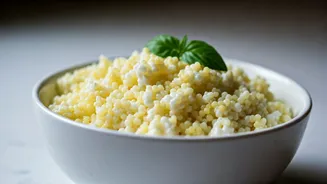
Barnyard millet, known locally as samak, jhangora, or kuthiraivali, is a nutritional powerhouse perfectly suited for the monsoon. It's naturally gluten-free and very easy to digest. [13, 19] Packed with both soluble and insoluble dietary fibre, it aids in smooth bowel movements and prevents constipation. [6, 8] This fibre also acts as a prebiotic, nourishing the beneficial bacteria in your gut. [12, 19] Unlike refined grains, barnyard millet has a low glycemic index, which means it releases energy slowly and prevents sudden blood sugar spikes, keeping you feeling light yet energised. [6, 19] Its alkaline nature helps combat acidity, a common complaint during this season. [12]
Curd: Your Gut's Probiotic Friend
Curd, or dahi, is a staple in Indian households for good reason. It is a rich natural source of probiotics—live beneficial bacteria that are essential for a healthy digestive system. [7, 11] These probiotics help maintain a balanced gut microbiome, which is your body's first line of defence against harmful pathogens that are more prevalent in the monsoon. [16] Regular consumption of curd aids in the efficient breakdown of food, enhances nutrient absorption, and can reduce symptoms of indigestion and bloating. [7, 22] A healthy gut flora, supported by curd, is directly linked to a stronger immune system. [16]
A Simple Recipe for Barnyard Millet Curd Rice
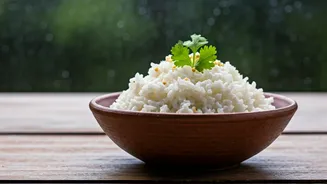
This comforting and gut-friendly meal is incredibly easy to prepare. Start by rinsing half a cup of barnyard millet and pressure cooking it with about one and a half cups of water for two to three whistles, or until it's soft and mushy. [1, 17] Let the cooked millet cool down completely. Once at room temperature, gently mix in one cup of curd and a quarter cup of milk to achieve a creamy consistency. [1] Season with salt. For the tempering (tadka), heat a teaspoon of oil and add mustard seeds, cumin seeds, a pinch of asafoetida (hing), and a few curry leaves. [9] You can also add chopped green chillies and grated ginger for extra flavour. Pour this tempering over the millet and curd mixture and combine well. [1]
Tips to Elevate Your Curd Rice
While the basic recipe is delicious on its own, you can easily enhance its flavour and nutritional profile. Garnish with a handful of fresh coriander leaves and vibrant pomegranate seeds, which add a dose of antioxidants. For some added crunch and vitamins, mix in finely grated carrots or chopped cucumber. [1] A small amount of finely chopped ginger not only adds a zesty flavour but also further aids digestion. Adding some roasted peanuts or cashews can provide a delightful texture and healthy fats. [17] To make it a more balanced meal, serve it with a side of lightly steamed vegetables.