





The Vibe: Cliffside Chic vs. Rustic Charm
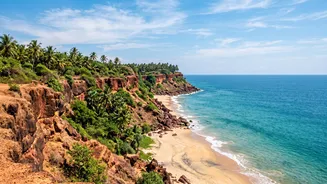
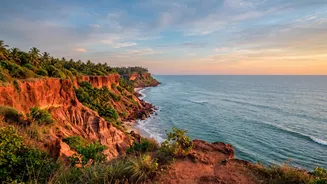
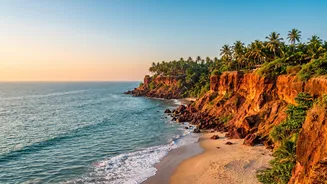
Choosing between Varkala and Gokarna is primarily a choice of atmosphere. Varkala, perched on dramatic red cliffs in Kerala, has a more developed, cosmopolitan feel. Its main North Cliff is a paved promenade lined with cafes, shops, and yoga shalas, attracting
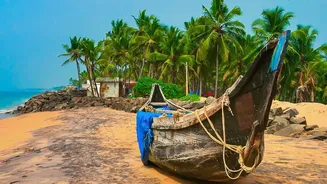
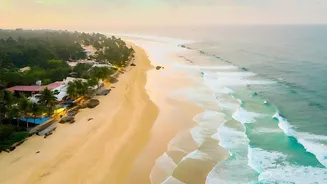
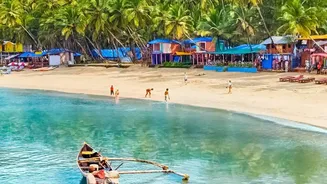
a mix of wellness travellers, surfers, and remote workers. The vibe is social and accessible, making it easy for first-time solo travellers or those who prefer modern comforts. Gokarna, in contrast, retains a rawer, more rustic soul. Famous as a Hindu pilgrimage site, its beaches are connected by trekking trails rather than paved roads. The atmosphere is unhurried and deeply rooted in a backpacker-and-pilgrim culture, appealing to those seeking quiet solitude and a digital detox vibe over social buzz.
The Workspace: Connectivity and Cafes
For any digital nomad, WiFi is non-negotiable. Both towns have risen to the challenge, but with different strengths. Varkala is arguably more established, with a string of cliff-top cafes like Coffee Temple and Darjeeling Café known for welcoming laptop-wielding patrons with reliable internet. A growing number of hostels now explicitly brand themselves as 'co-work' friendly, offering dedicated quiet zones, power backup, and fibre optic connections with speeds of up to 150 Mbps. Gokarna's connectivity has improved dramatically but can be less consistent. While you'll find WiFi at cafes like Namaste Café on Om Beach, power fluctuations can be an issue. Hostels like Zostel and Trippr are leading the charge, providing dedicated co-working pavilions with speeds of 40-80 Mbps, making them reliable bases. In both locations, a backup mobile SIM from Jio or Airtel is highly recommended for uninterrupted work.
Budget Accommodation: Hostels and Homestays
Both Varkala and Gokarna are champions of budget travel, offering a wealth of options for long-term stays. In Gokarna, you can find basic bamboo beach huts for as little as ₹800-₹1200 a night, offering an earthy, close-to-nature experience. A bed in a dorm at a well-regarded hostel like Zostel or The Hosteller will set you back a similar amount. Varkala's accommodation is slightly pricier but offers a wider range. Dorm beds start from around ₹600, while private rooms in hostels and guesthouses are plentiful. Many hostels are now specifically designed for remote workers, with properties like Roameo and Verve Stays offering amenities like open kitchens, common areas, and high-speed internet as part of the package.
Cost of Living: Your Monthly Burn
Your wallet will stretch far in both towns, but Gokarna generally comes out as the cheaper option. A monthly budget for a comfortable workation in Gokarna, including accommodation and food, can be managed within ₹18,000 to ₹38,000. Food in local shacks is particularly affordable. Varkala is slightly more expensive, largely due to the tourist-oriented prices at the popular cliffside cafes, where a meal can cost between ₹300-₹500. A reasonable monthly budget for a digital nomad in Varkala would range from about ₹35,000 to over ₹60,000, depending on your choice of a private room versus a dorm. However, even at the higher end, both locations offer incredible value compared to life in a major Indian city.
After Hours: Surf, Treks, and Sunsets
A workation isn't just about work. Varkala's after-hours scene is built around wellness and activity. It has evolved into a premier destination for surfing, with numerous schools offering lessons for beginners. Yoga shalas and Ayurvedic massage centres are everywhere. The evenings are buzzy, with cafes playing music late into the night. Gokarna’s leisure time is more about quiet exploration and nature. The key activity is the famous five-beach trek, a stunning coastal hike connecting Gokarna Beach, Kudle Beach, Om Beach, Half Moon Beach, and Paradise Beach. Evenings are typically spent watching the sunset from a quiet shack, with less emphasis on a structured nightlife scene.