





Tired of the usual tourist trails? Across India, a quieter, more authentic travel experience is taking root. Village homestays are opening doors to the heart of the country, offering travelers a real connection and rural families a vital new income.
Beyond Hotels: A New Way to Travel
Imagine
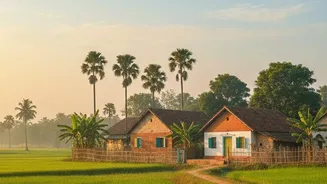
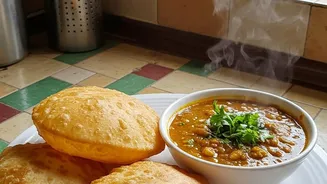
waking up not in a sterile hotel room, but in a traditional mud hut in Rajasthan or a wooden cottage in Sikkim, with home-cooked meals prepared by your host family. This is the core of community-based tourism, a model where the travel experience is owned and managed by the community itself. Instead of profits flowing to large corporations, the money you spend goes directly to the families and villages you visit. This approach offers travelers an immersive experience rooted in the local way of life, from participating in farming activities in Kerala to learning artisan crafts near Jodhpur. It moves beyond just seeing a place to truly connecting with its people.
How Homestays Create Economic Opportunity
For many rural families, traditional livelihoods like agriculture can be uncertain. Homestays provide a powerful, low-investment alternative. Families can convert a spare room or two into accommodation for travelers, immediately creating a new stream of income. This model requires minimal new construction and utilizes existing assets, making it accessible to many. The economic benefits ripple outwards. Studies show that for every unit of output the homestay sector generates, it creates a significant increase in demand for local agricultural products. This creates a secondary market for local guides, cooks, taxi drivers, and artisans, strengthening the entire village economy and reducing the need for people to migrate to cities for work.
Success Stories from Across India
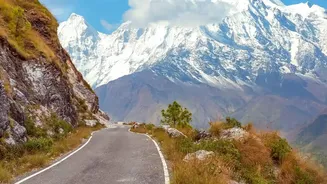
This model is thriving in diverse corners of the country. In states like Sikkim, Uttarakhand, and Kerala, government and NGO support has helped formalize homestay networks. In the high-altitude villages of Ladakh, solar-powered homestays are providing livelihoods for women and promoting sustainable tourism. Near Jodhpur, the Chhotaram Prajapat Homestay has become legendary for its authentic experience of life with a weaver family. In the backwaters of Kerala, Philipkutty's Farm invites guests to experience life on a working farm, complete with cooking lessons from grandma. These are not just businesses; they are invitations into a family's life, offering genuine hospitality based on the Indian principle of 'Atithi Devo Bhava' (the guest is god).
More Than Just an Income
The impact of community_based tourism extends beyond finances. It has been a powerful force for women's empowerment, providing them with financial independence and a stronger voice in community decisions. Many homestays are owned or managed by women, giving them confidence and new skills. This model also creates a strong incentive to preserve local culture and the environment. When traditions, local cuisine, and pristine nature become assets that attract visitors, communities are more motivated to protect them. It fosters a sense of pride and encourages younger generations to value and continue their cultural heritage, which might otherwise be lost.
The Challenges of Sustainable Growth
Despite its many benefits, the path of community_based tourism is not without obstacles. Key challenges include a lack of adequate infrastructure, limited marketing reach, and the need for proper training in hospitality and hygiene to meet traveler expectations. There is also the risk of 'over_tourism' or commercialization, where the authentic experience becomes diluted. Ensuring that the economic benefits are distributed equitably across the community, not just to a few families, is crucial for long_term success. Thoughtful planning and strong community_led management are essential to navigate these challenges and ensure the growth is both sustainable and beneficial for all.