



The Allure of Rejuvenated Hill Stations
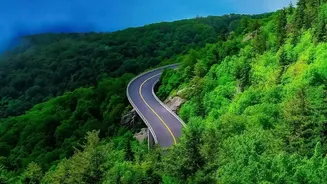
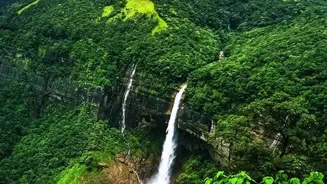
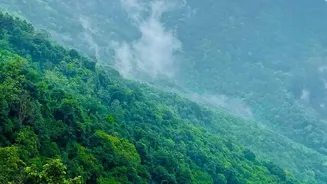
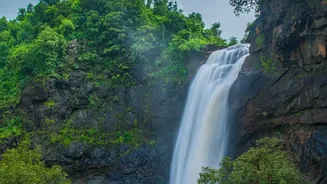
The period immediately following the monsoon is when India's hill stations are at their most magical. The landscape, washed clean by the rains, radiates a vibrant, lush green. Destinations like Munnar in Kerala and Coorg in Karnataka shed their typical
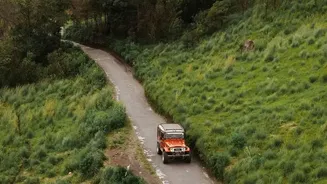
tourist bustle and transform into misty, tranquil havens. In Munnar, the tea slopes glow an emerald green, while the air in Coorg is thick with the fragrance of wet coffee leaves and damp earth. This season is less about ticking off viewpoints and more about slow, mindful experiences—long walks through fog-wrapped estates, sipping chai while watching the clouds roll through the valleys, and simply soaking in the profound quiet. Data shows that bookings for destinations like Munnar and Coorg have seen a massive seven-fold increase during the monsoon and post-monsoon period, signalling a clear preference for these refreshed landscapes.
Trekking Trails and Himalayan Vistas
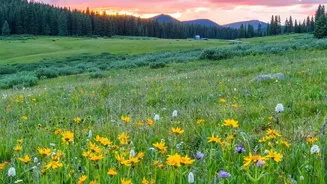
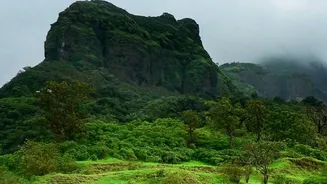
For the more adventurous, the end of the monsoon opens up some of the country's most spectacular trekking routes. In the Himalayan foothills, the skies begin to clear, offering crisp views and moderate temperatures perfect for hiking. Destinations like the Tirthan Valley in Himachal Pradesh, which serves as a gateway to the Great Himalayan National Park, retain their lush greenery long after the rains have stopped. Treks in the Western Ghats, such as Kudremukh in Karnataka, become a popular challenge, with trails leading through dense, muddy forests and across streams to reveal breathtaking valleys. Even the famous Valley of Flowers in Uttarakhand, a UNESCO World Heritage site, is at its peak during and right after the monsoon, when countless species of wildflowers carpet the Himalayan floor in a stunning display of colour.
The Rise of Wellness and Healing Retreats
The shift towards nature is deeply intertwined with a growing focus on mental and holistic well-being. According to a 2026 travel trends report by Booking.com, a staggering 91% of Indian travellers want to visit places with beautiful natural scenery, while 87% are actively seeking trips that help them mentally unwind. This has fuelled a surge in demand for wellness retreats set in serene environments. Destinations like Rishikesh, which saw a 200% year-on-year increase in searches for monsoon travel, are becoming hubs for yoga, meditation, and spiritual healing. From Ayurvedic panchakarma treatments in Kerala to silent meditation immersions in Dehradun, travellers are looking for structured programmes that offer a genuine reset from the stresses of daily life.
Eco-Tourism and Immersive Stays
Modern travellers are not just passive observers; they want to connect deeply with the places they visit. This has led to the growing popularity of eco-tourism and immersive stays, such as those in coffee and spice plantations in Coorg, Chikmagalur, and Wayanad. These stays offer an authentic experience, allowing guests to learn about local agriculture and live at a slower pace. The post-monsoon season is ideal for this, as the plantations are lush and vibrant. Furthermore, there is a conscious move towards sustainable travel, with many Indians choosing eco-certified properties and destinations that prioritize conservation. This responsible approach allows travellers to enjoy India's natural beauty while helping to preserve it for the future.
Wildlife Sanctuaries in Their Prime
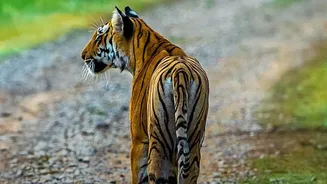
While the hot, dry months are often cited as the best time for wildlife sightings, the post-monsoon period from October offers a different, equally compelling experience. National parks and sanctuaries across the country are draped in lush vegetation, the water bodies are full, and the air is cool and pleasant. This season is particularly good for birdwatching, as migratory birds begin to arrive. In places like Ranthambore and Jawai in Rajasthan, new luxury lodges are opening, catering to travellers who want to combine wildlife safaris with comfortable, high-end stays. It’s a chance to see the wilderness not just as a place for animal sightings, but as a thriving, rejuvenated ecosystem.