






The Ground Beneath Their Paws
The first thing to consider upon entering a holiday rental or hotel room is the flooring. While it might not be top of your mind, it's crucial for your pet's safety. Highly polished tiles, laminate, or slick hardwood floors can be hazardous for pets,
especially older dogs or those with mobility issues, leading to slips, falls, and potential injuries. Conversely, old or rough wooden floors can splinter, causing painful paw injuries. Carpeted rooms might seem like a good alternative, but they can harbour allergens from previous animal guests. When booking, don't hesitate to ask about the room's flooring. Ideally, look for non-slip tiles or a property that allows you to use your own rugs to create safe pathways for your furry friend.
Safe and Secure Outdoor Access
The phrase "outdoor access" can mean very different things. For a pet, it should mean a secure, enclosed space where they can relieve themselves and stretch their legs without risk. A property that opens directly onto a busy road or a non-fenced garden is an accident waiting to happen. Before booking, clarify what the outdoor space entails. Is there a private, fenced-in garden or a dedicated, secure pet relief area? In unfamiliar surroundings, even a well-behaved pet can get spooked and bolt. Ensuring the space is truly secure gives you peace of mind and keeps your pet safe from traffic and from getting lost.
Locate a Vet Before You Need One
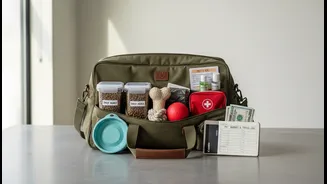
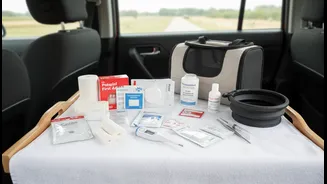
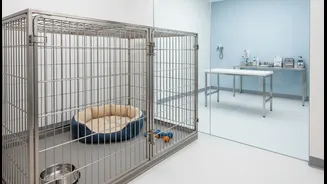
Perhaps the most critical piece of preparation is to identify the nearest emergency veterinarian before you even leave home. In a crisis, you won't have time to search for help. A quick online search before your trip can give you the address, phone number, and operating hours of the closest 24/7 animal hospital to your destination. Save the number and address in your phone. It’s also wise to have a copy of your pet’s vaccination records and medical history with you. Hopefully, you will never need this information, but having a plan can save valuable, life-saving minutes in an emergency.
Read the Accommodation's Fine Print
The term “pet-friendly” varies dramatically between establishments. Some hotels have weight or breed restrictions, limit the number of pets per room, or do not allow pets to be left unattended. Many charge a significant, non-refundable pet fee. It is essential to call the specific location directly to confirm their policies, as they can differ even within the same hotel chain. Ask about restricted areas, such as the lobby, pool, or dining areas. Understanding these rules before you arrive prevents last-minute surprises and ensures a smooth check-in process for everyone.
Pet-Proof Your Temporary Home
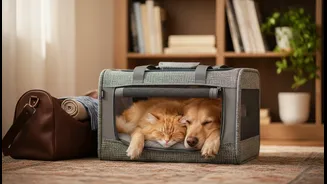
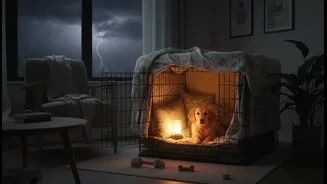
Once you've arrived, take a few minutes to do a pet-centric safety sweep of the room or rental. Look for potential hazards like accessible electrical cords that could be chewed, open bins with tempting food scraps, and any pest-control traps that might be hidden under furniture. Check for any decorative plants, as many common varieties like lilies and poinsettias can be toxic to pets. Securing loose wires and removing any potential dangers will make the space safer for your curious companion to explore and relax in. Consider bringing a crate or playpen to create a secure den for them when you can't supervise them directly.
Pack a Familiar Comfort Kit
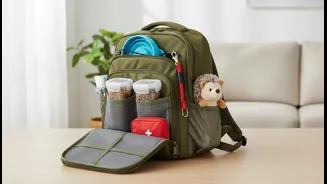
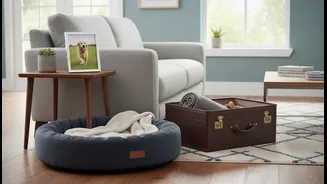
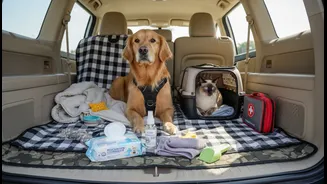
New environments can be stressful for pets. You can make them feel more at home by packing a kit with their favourite things. Include their own bed or a familiar blanket, a few beloved toys, and their regular food and treats. A sudden change in diet can lead to an upset stomach, so it's best to stick to what they know. Having the scent and feel of home can significantly reduce their anxiety and help them settle into the new space much faster, making the holiday more enjoyable for them and for you.