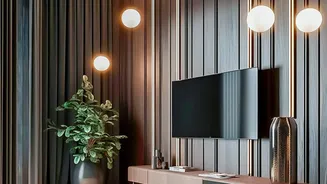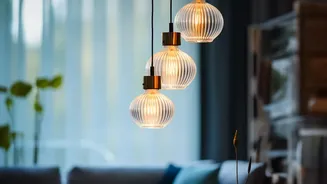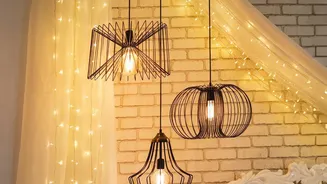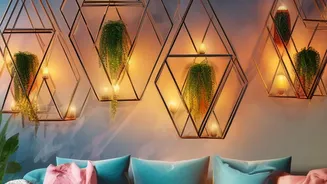






A single, harsh ceiling light often leaves our rooms feeling flat and uninviting. There is a smarter approach gaining favour: layered lighting. By combining three types of light, you can create spaces that are truly flexible and beautiful.
The Foundation: Ambient Lighting
Think of ambient
lighting as the base layer, providing the general, overall illumination for a room. Its main job is to ensure you can move around safely and comfortably, setting the foundational mood of the space. This is the soft, uniform glow that replaces natural light after sunset. In most Indian homes, this layer comes from overhead fixtures like chandeliers, flush-mount ceiling lights, or recessed downlights. Increasingly, homeowners are also using concealed LED strips in coves or along ceiling edges to provide a seamless, modern ambient glow. The key is to create an even wash of light that prevents dark corners and makes the room feel welcoming. Using dimmers for this layer is a game-changer, allowing you to instantly adjust the room's energy from bright and active to soft and relaxed.
The Workhorse: Task Lighting
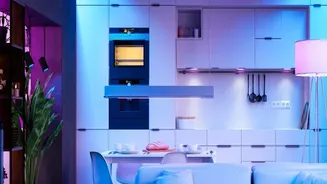
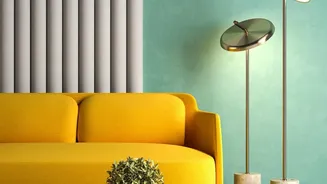
Once your general light is set, the next layer is task lighting. As the name suggests, this is focused, brighter light directed at specific areas where activities happen. Its purpose is purely functional: to help you see clearly while cooking, reading, working, or getting ready, thereby reducing eye strain and improving safety. In an Indian home, this translates to essential fixtures like under-cabinet LED strips in the kitchen to illuminate countertops, a floor lamp next to a favourite reading chair, or bright, focused lights over a study desk. Other examples include bedside lamps for reading without disturbing a partner, or a well-lit mirror in the dressing area. Task lighting works best when it can be controlled separately from your ambient lights, so you only use it when and where you need it.
The Jewel: Decorative and Accent Lighting
The final, and most creative, layer is decorative and accent lighting. This is where you add personality, drama, and visual interest to your space. Accent lighting is used to highlight specific features you want to draw attention to, such as a piece of art, a textured wall, a beautiful textile, or architectural details like a 'jaali' screen or niche. Picture lights, wall sconces, and narrow-beam spotlights are perfect for this. Decorative lighting, a close cousin, includes fixtures that are beautiful in their own right, acting as sculptural elements in the room. This could be a stunning pendant light over a dining table, a cluster of mini-pendants in a corner, or even traditional brass lamps used during festivals. This layer is what turns a merely functional room into one with character and depth.
Bringing It All Together
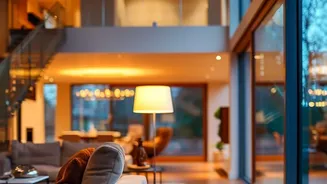
The magic happens when these three layers work in harmony. Imagine a living room: the ambient light from a central fixture provides a comfortable glow for conversation. A sleek floor lamp offers focused task lighting for someone reading on the sofa. Meanwhile, a pair of elegant wall sconces cast a gentle accent light on a family photograph or a treasured piece of art. This combination creates visual depth and makes the space feel richer and more dynamic. More importantly, it provides ultimate flexibility. For a festive family gathering, all layers can be on. For a quiet movie night, you might only use the soft ambient and accent lights. By giving each light a specific job and controlling them independently, you empower your space to adapt to the many different moments of daily life.