


Choose the Right Kind of Ivy
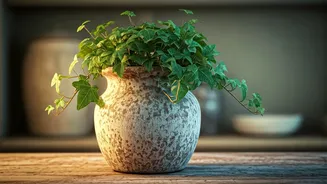
The key to a successful display is choosing a plant that will thrive indoors with minimal fuss. While there are many varieties of 'ivy', some are better suited for Indian homes than others. English Ivy (Hedera helix) is a classic choice, known for its
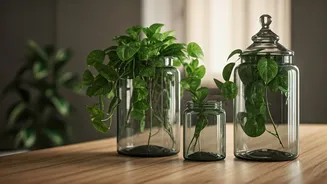
elegant, lobed leaves and vigorous climbing habit. It tolerates a range of light conditions, from bright, indirect light to lower-light corners. Another fantastic, nearly foolproof option is the Pothos (Epipremnum aureum), often called Devil's Ivy. Though not a true ivy, its heart-shaped leaves and trailing vines offer a similar aesthetic with even greater resilience. Pothos is famously easy to care for, tolerating infrequent watering and a wide spectrum of lighting, making it perfect for beginners. Both plants are excellent at purifying the air and will quickly grow to create the cascading effect you desire.
The Hunt for the Perfect Antique
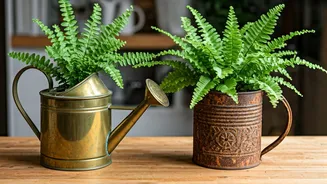
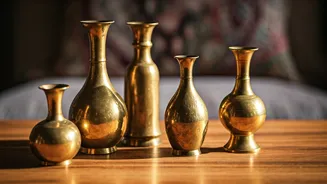
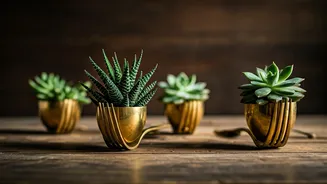
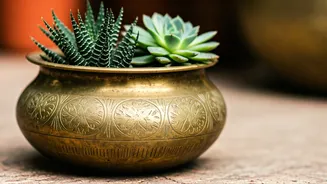
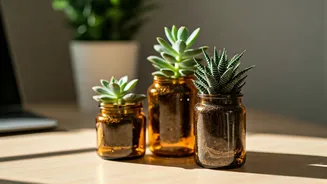
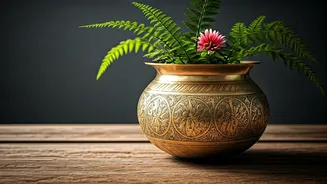
This is where your creativity truly shines. Look beyond conventional pots and search for objects with character. Your local kabadiwala, flea markets like Chor Bazaar, or even your grandmother’s storage room can be treasure troves. Consider items like old brass tiffin carriers, which can have multiple tiers for different small plants. Antique ceramic pickle jars (barnish) with beautiful hand-painted details make for gorgeous, rustic planters. Don't overlook old wooden tea boxes, tarnished silver goblets, or even hollowed-out, non-functional lanterns. The beauty is in the imperfection—a little rust on a tin can or a patina on a brass vessel adds to the charm. Ensure the item is stable and large enough to hold a small nursery pot or sufficient soil for your ivy to establish its roots.
Prepare Your Vessel for Planting
Most antiques were not designed to be planters, so they lack a crucial feature: drainage holes. Without them, water will pool at the bottom, leading to root rot. You have two main options. The first and simplest is the 'pot-in-a-pot' method. Find a simple plastic nursery pot that fits snugly inside your antique. You can then easily remove the plant for watering, let it drain completely, and place it back in the decorative vessel. This method also protects the antique from constant moisture and soil. The second option is to create drainage. If you are handy, you can carefully drill holes in the bottom of metal or wooden items. For materials you can't drill, create a false drainage layer. Add a one-to-two-inch layer of pebbles, charcoal, or small clay shards (thikri) at the bottom of the antique before adding soil. This layer allows excess water to collect away from the plant's roots, reducing the risk of rot.
The Art of Potting and Placement
Once your antique planter is ready, it’s time to introduce the ivy. Use a well-draining potting mix, readily available at any nursery. Gently remove the ivy from its original plastic pot, loosen the root ball slightly, and place it into your prepared antique. Fill the surrounding space with soil, pressing down gently to remove air pockets, but avoid packing it too tightly. Water the plant thoroughly until you see water seep into the drainage layer or out of the drainage holes. The initial placement is key. Position your new creation where the ivy's trailing vines can be appreciated—on a high shelf, the edge of a bookshelf, or a mantelpiece. Let the foliage cascade down for a dramatic, romantic effect. You can also train the vines to climb up a nearby window frame or across a wall using small, discreet hooks.
Long-Term Care and Styling
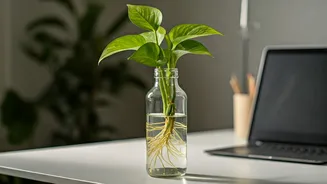
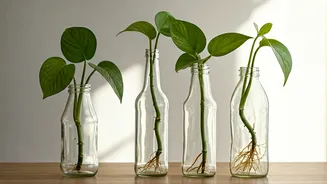
Hardy ivies are low-maintenance, but they do need some care to look their best. Water the plant only when the top inch of the soil feels dry to the touch. It's always better to under-water than to over-water. Rotate the pot every few weeks to ensure all sides of the plant receive light for even growth. To encourage a fuller, bushier plant, don't be afraid to prune it. Simply snip off any long, straggly vines; this will promote new growth closer to the base. You can even place these cuttings in a glass of water to propagate new plants. Wipe the leaves with a damp cloth occasionally to remove dust and help the plant breathe. This simple routine will keep your ivy-in-an-antique display looking vibrant and healthy for years.