


The Core of the Research
Researchers from Maastricht University Medical Center in the Netherlands conducted a study to explore how long-term peanut consumption affects brain health in older adults. The research, published in peer-reviewed journals including 'Clinical Nutrition'
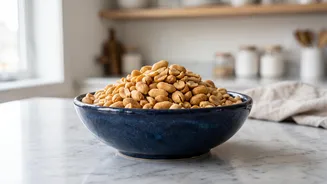
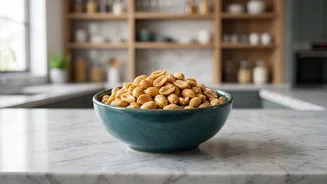
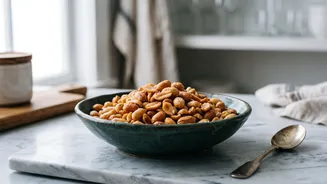
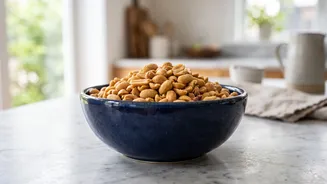
and 'Food & Function', involved 31 healthy participants between the ages of 60 and 75. In this randomized controlled trial, a strong type of clinical research design, participants consumed 60 grams of unsalted, skin-roasted peanuts daily for 16 weeks. They then had a control period where no peanuts were eaten, allowing for a direct comparison. The study used advanced brain imaging techniques to measure changes in brain function, alongside cognitive tests.
What Did the Study Actually Find?
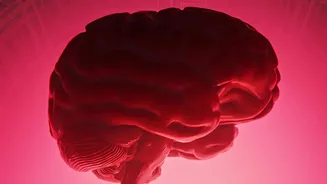
The results were noteworthy. After 16 weeks of daily peanut consumption, participants showed a 5.8% improvement in verbal memory. This was accompanied by significant physical changes in the brain. Global cerebral blood flow (CBF), which is the total amount of blood flowing through the brain, increased by 3.6%. More specifically, blood flow to the gray matter and key regions like the frontal and temporal lobes, which are crucial for memory, also saw a marked increase. In a related analysis, researchers also found that daily peanut consumption improved the brain's insulin responsiveness in regions critical for memory, a function that can decline with age. Additionally, participants experienced a modest but significant decrease in systolic blood pressure.
Why Skin-Roasted Peanuts?
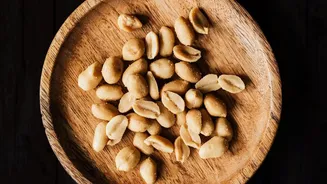
The choice of peanut was very specific for a reason. The study used roasted peanuts with their thin, reddish skins left intact. This is because peanut skins are packed with bioactive compounds, particularly polyphenols like resveratrol. These antioxidants are believed to be central to the observed benefits. While the peanut kernel itself is nutritious, containing healthy fats, protein, and the amino acid L-arginine, the skin provides an extra dose of these powerful plant compounds. Roasting the peanuts can also enhance the bioavailability of these nutrients.
The Science Behind the Boost
The study suggests a clear mechanism: improved vascular function. L-arginine, found in peanuts, helps the body produce nitric oxide, a molecule that relaxes and widens blood vessels. This process, known as vasodilation, allows more oxygen and nutrient-rich blood to reach the brain, supporting the health and function of brain cells. Better blood flow, especially to memory centers like the hippocampus, is a key indicator of brain health. The polyphenols in peanut skins also play a role by protecting blood vessels and reducing oxidative stress, which is a known contributor to age-related cognitive decline.
What This Means For You
While these findings are promising, it's important to see them in context. This was a relatively small study, and it doesn't prove that peanuts can prevent or reverse cognitive diseases like Alzheimer's. However, it does add to a growing body of evidence suggesting that dietary choices can have a real impact on brain health as we age. The key takeaway is that regular consumption of unsalted, skin-on peanuts could be a simple and accessible way to support brain vascular function and memory. The daily amount used in the study was 60 grams, or about two small handfuls. As with any dietary change, consistency appears to be important, as the benefits were observed after 16 weeks of daily intake.