

Understanding the Graded Response Action Plan
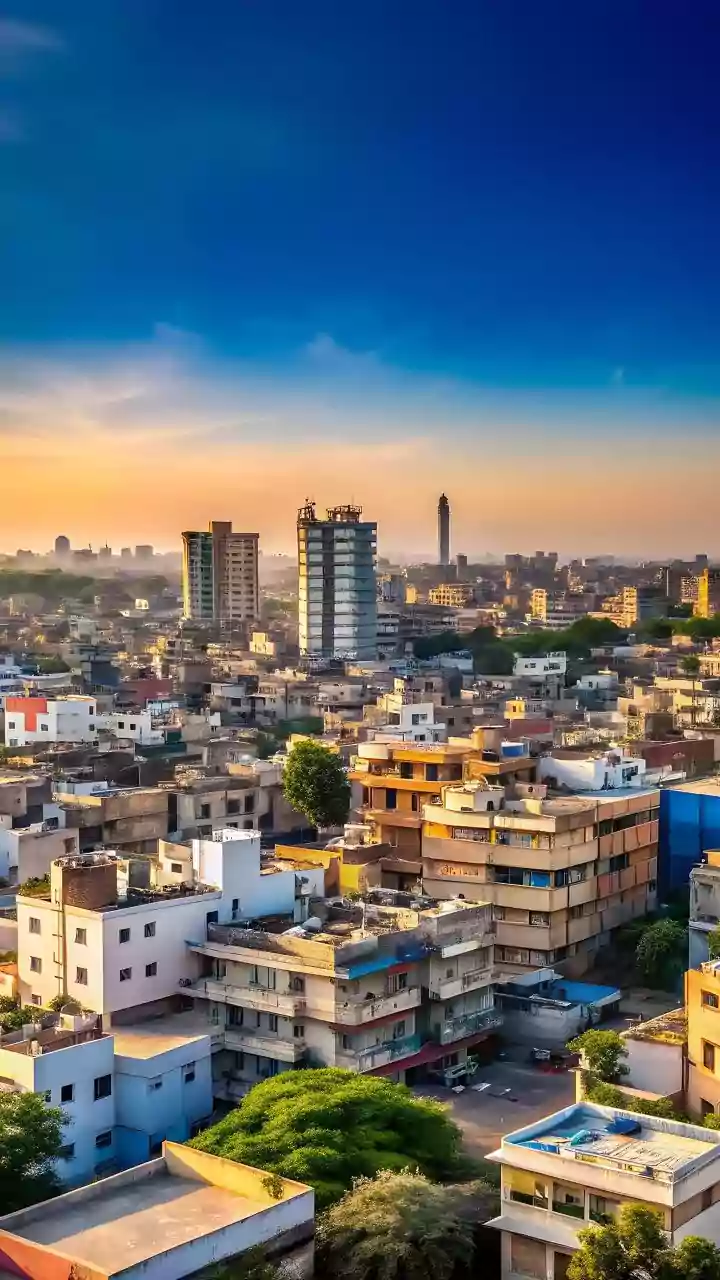
The Graded Response Action Plan, or GRAP, is a set of emergency measures that are implemented to combat air pollution in the Delhi-NCR region. It is not a year-round plan but is activated progressively as the air quality worsens. The system is designed
by the Commission for Air Quality Management (CAQM) and is divided into four stages based on the Air Quality Index (AQI). Stage 1 is triggered when the AQI is in the 'Poor' category (201-300). The goal of this initial stage is to curb pollution at its source and prevent the air quality from deteriorating further into the 'Very Poor', 'Severe', or 'Severe Plus' categories. These measures require coordinated action from government agencies, industries, and the public.
Rules for Construction and Demolition
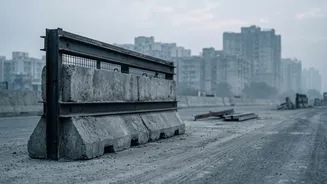
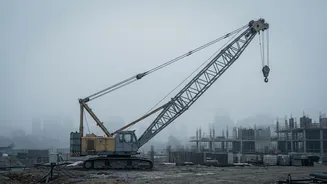
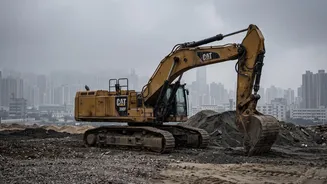
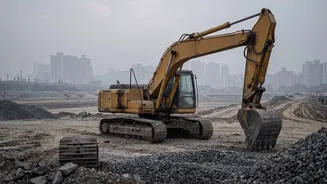
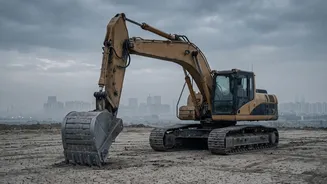
One of the primary targets of GRAP Stage 1 is dust from construction and demolition activities. Under these restrictions, all C&D work on plots of 500 square metres or more must immediately stop if the project is not registered on the official web portals of the respective state governments. To continue operations, these sites must comply with strict dust control norms, which include setting up windbreakers, covering debris and construction materials, and using water sprinklers to suppress dust. Regular inspections are carried out to ensure compliance, and heavy fines can be imposed on violators. Smaller construction projects are generally permitted to continue as long as they adhere to standard pollution control guidelines. The intent is to stop large-scale, unregulated dust pollution from overwhelming the city's air.
Industrial and Commercial Operations
Industries located within the NCR are also subject to regulations under Stage 1. All industrial units are expected to be operating on approved, cleaner fuels. Those that have not yet switched from polluting fuels like coal face immediate closure. Brick kilns that are not operating on zig-zag technology or using approved fuels are not allowed to function. Similarly, authorities will enforce a strict ban on the use of coal and firewood in tandoors at hotels, restaurants, and other eateries. The focus is on transitioning commercial and industrial operations away from highly polluting energy sources to cleaner alternatives like PNG or electricity, thereby cutting down on industrial emissions.
Measures for Vehicles and Traffic
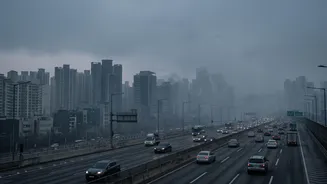
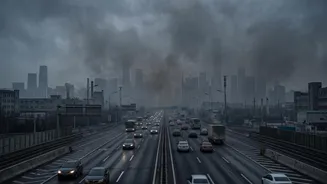
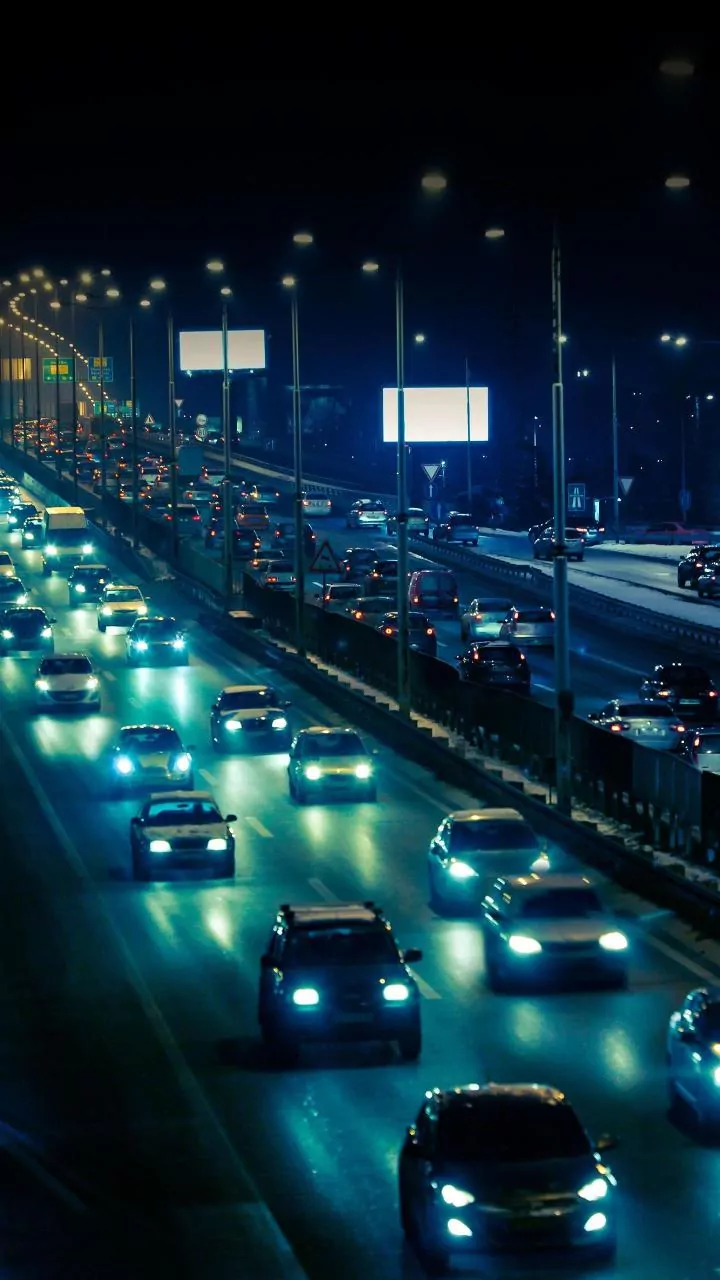
Vehicular emissions are a major contributor to Delhi's pollution, and GRAP-1 brings renewed focus on traffic management. Authorities will intensify checks for Pollution Under Control (PUC) certificates. It is crucial for all vehicle owners to ensure their PUC certificates are valid, as driving without one can lead to significant penalties. Traffic police will also be deployed at key corridors to ensure a smooth flow of traffic and prevent congestion, which can increase localised emissions. Furthermore, government agencies will increase the frequency of mechanised road sweeping and water sprinkling, particularly on roads with heavy traffic, to settle dust kicked up by vehicles.
What the General Public Must Do
Public cooperation is vital for the success of GRAP. The most important rule for all residents is the strict ban on open burning of any kind of waste, including garbage, leaves, and plastic. This is a punishable offense. Citizens are encouraged to report any instances of open burning to the relevant authorities through official apps or helplines. While there is no 'Odd-Even' rule for private vehicles in Stage 1, residents are advised to minimise their use of personal cars and opt for public transport, carpooling, or cycling whenever possible. This collective effort helps reduce the overall vehicular load and contributes to cleaner air for everyone.