





Invest in a Portable Air Purifier
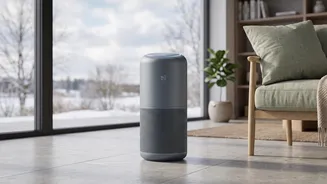
The single most effective step for a renter is buying a high-quality portable air purifier. Since you can't alter the building's ventilation, a purifier is a plug-and-play solution that you can take with you when you move. Look for a model with a 'True
HEPA' filter, which is certified to capture 99.97% of tiny particles like PM2.5, dust, and allergens. Also, pay attention to the CADR (Clean Air Delivery Rate), which tells you how quickly it can clean a room. Match the CADR to your room size for the best results; a higher CADR is necessary for larger living areas or during peak pollution season in cities like Delhi. An activated carbon filter is another key feature, as it helps remove cooking smells, smoke, and harmful gases called Volatile Organic Compounds (VOCs).
Seal Leaks Without Leaving a Mark
Polluted outdoor air seeps in through invisible gaps around windows and doors. As a renter, you can't replace faulty frames, but you can use temporary solutions to create a better seal. Self-adhesive draught-proofing tape or weatherstripping is inexpensive, easy to apply around window frames, and can be removed without causing damage. For larger gaps, especially under doors, a simple cloth draught excluder works well. Another option for windows you won't open all winter is a shrink-film window insulation kit. This creates a clear, insulating layer that traps air and seals leaks effectively. These small, reversible fixes prevent polluted air from entering and also help keep your home warmer.
Practice Smart and Strategic Ventilation
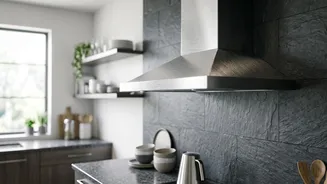
While sealing your home is important, you also need to let fresh air in and polluted indoor air out. But opening windows randomly can make things worse. The key is 'shock ventilation'—opening windows wide on opposite sides of the home for 5-10 minutes to create a quick cross-draft. This replaces stale indoor air without letting all the heat escape from your walls and furniture. Check the outdoor Air Quality Index (AQI) and try to ventilate during the time of day when pollution is lowest, which is often in the afternoon when the sun is out. Always use your kitchen exhaust fan while cooking and your bathroom fan after a shower to expel pollutants and excess moisture directly.
Control Indoor Pollution Sources
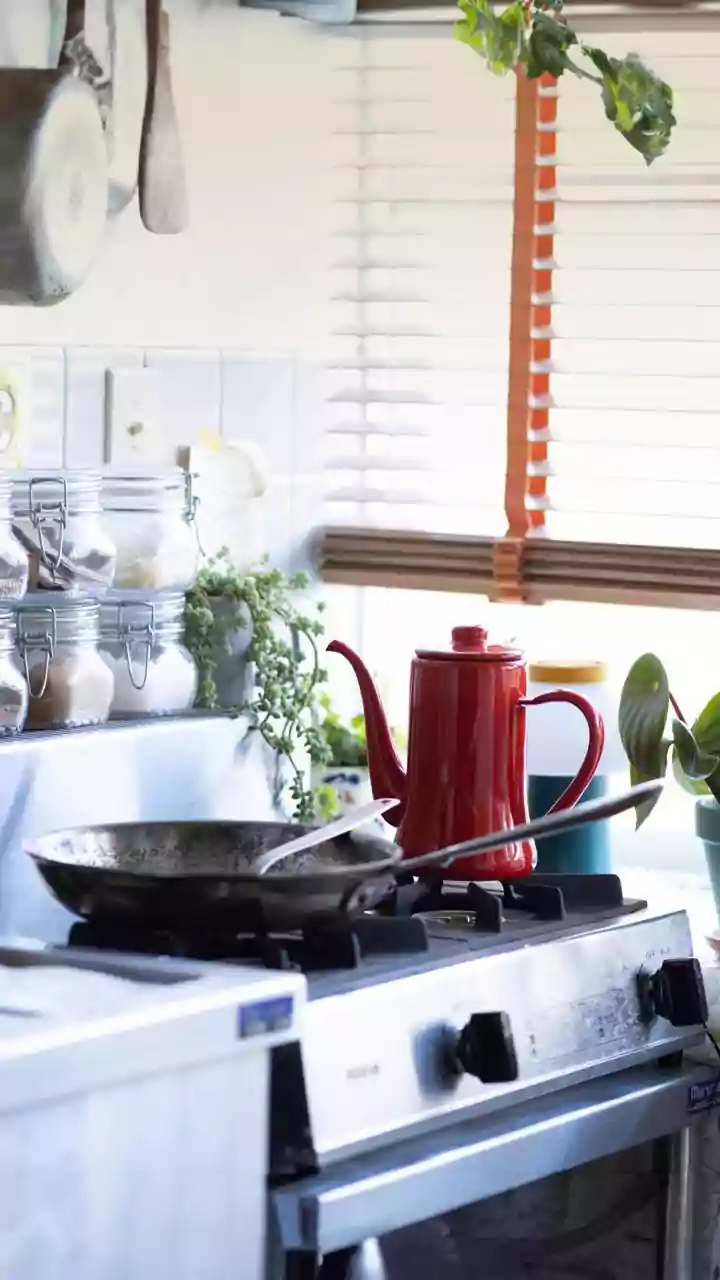
Many pollutants are generated inside our homes. High-heat cooking, especially tadka, can generate significant PM2.5 particles. Using an exhaust fan is crucial to manage this. Be mindful of other sources like burning incense and using aerosol sprays. Another major culprit is cleaning products that release Volatile Organic Compounds (VOCs). Look for 'low-VOC' or 'zero-VOC' labels, or switch to natural cleaners made from ingredients like vinegar or plant-based surfactants. Several Indian brands now offer eco-friendly and non-toxic cleaning options.
Add Air-Purifying Houseplants
While not a substitute for an air purifier, certain houseplants can help filter common indoor toxins and add a touch of nature. A famous 1989 NASA study identified several plants effective at removing chemicals like formaldehyde and benzene from the air. Plants like the Snake Plant, Money Plant (Pothos), Areca Palm, and Peace Lily are excellent choices for Indian homes. They are generally low-maintenance, thrive indoors, and are readily available. The Snake Plant is particularly useful in bedrooms as it releases oxygen at night.
Manage Indoor Humidity
Maintaining the right humidity level can also impact air quality. Very dry air can irritate your respiratory system, while very humid air can promote mould growth. Studies show that relative humidity affects how airborne particles behave; high humidity can cause some particles to grow and settle, but it can also interfere with the accuracy of air quality monitors. Aim for an indoor humidity level between 30% and 50%. During dry winters, a humidifier can add necessary moisture to the air. Conversely, if your flat is prone to dampness, a dehumidifier is a wise investment to prevent mould.