




Why Speed Is Everything
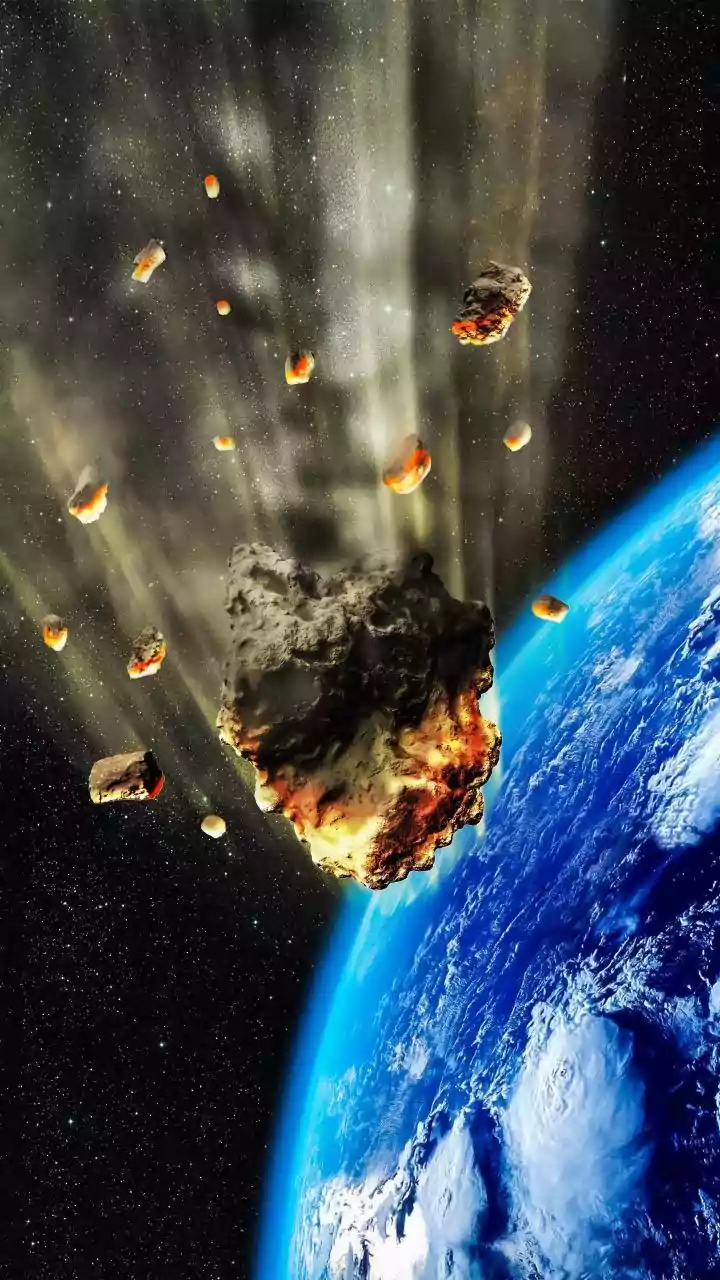
A freshly fallen meteorite is a scientific goldmine, containing clues about the formation of our solar system, the origins of water, and even the building blocks of life. However, our planet’s environment is hostile to these celestial visitors. The moment
a meteorite lands, it starts to change. Earth's oxygen-rich atmosphere and moisture cause weathering, rusting, and chemical alteration. Studies have shown that terrestrial contamination begins almost immediately, with salts and minerals forming on the rock's surface within hours of landing. This contamination can obscure or destroy the priceless data scientists hope to find, such as pristine organic compounds. The quicker a meteorite is recovered and properly stored, the more scientifically valuable it remains.
Step 1: Document, Don't Disturb
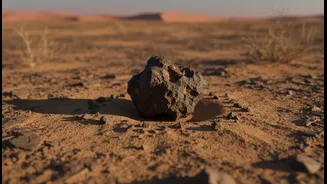
If you are lucky enough to find what you believe is a meteorite, your first instinct should be to document it before touching anything. Use your smartphone to take plenty of photos of the rock from multiple angles, showing it exactly where you found it. Be sure to include an object like a coin or ruler in some of the photos to provide a sense of scale. Crucially, record the precise location using your phone's GPS coordinates. If you witnessed the fall, note the date, time, and the direction it came from. This contextual information is invaluable for scientists who may later try to reconstruct its trajectory through the atmosphere. Documenting the findspot is vital because it preserves information about the meteorite's immediate environment before it is moved.
Step 2: Handle With Extreme Care
Once documented, the next step is collection, and the number one rule is: do not use your bare hands. The oils, microbes, and moisture from your skin can seriously contaminate the specimen, promote rust, and degrade its delicate fusion crust—the glassy outer layer that forms during its fiery descent. NASA recommends handling potential meteorites with clean gloves, tongs, or by using a fresh piece of household aluminum foil. You can wrap the rock in the foil, which will protect it indefinitely. Do not wash the rock or test it with a magnet. While many meteorites are magnetic, a strong magnet can erase the rock’s own natural magnetic field, which holds important data about the early solar system.
Step 3: Keep It Clean and Dry
After wrapping the sample in aluminum foil, the goal is to protect it from the elements, especially humidity. The best practice is to place the foil-wrapped specimen inside a clean, sealable plastic bag, like a zip-top bag. For added protection, you can add a desiccant packet (the small packets often found in new shoe boxes or electronics) inside the bag, but make sure it doesn’t directly touch the meteorite. This simple setup helps to create a dry, inert environment that slows down the terrestrial alteration process, preserving the rock's scientific integrity until it can be analysed in a proper laboratory.
Step 4: Report Your Find
Finding a meteorite is just the beginning; the final step is getting it into the hands of scientists. You can report your find to a local university’s geology or planetary science department, a natural history museum, or a geological survey. These institutions have experts who can authenticate your find. The International Meteor Organization also collects fireball and potential meteorite reports from the public, which helps scientists track these events globally. When you make contact, be prepared to share the photos and location data you collected. While NASA itself does not typically analyse samples from the public, they recommend contacting the institutions listed on the Meteoritical Society's website, which maintains a global list of repositories.