





The Allure of the Flamingo Flower
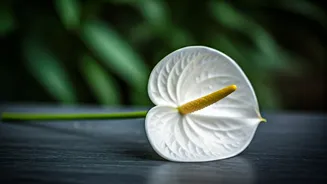
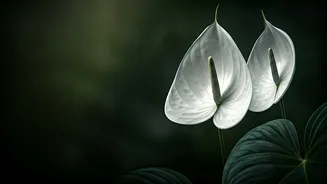
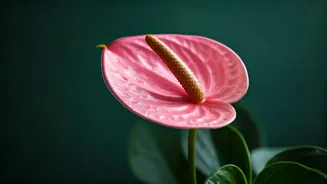
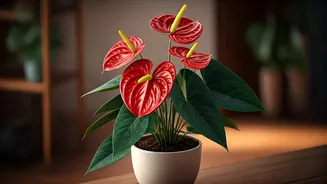
First, let's meet the star of the show. The Anthurium, often called the Flamingo Flower or Laceleaf, is a tropical plant known for its stunning, waxy spathe—the brightly coloured, heart-shaped leaf that everyone mistakes for a flower. While they come
in various shades, it's the pink varieties, from soft blush to vibrant magenta, that have captured the collective imagination. Their visual appeal is undeniable. They offer a pop of colour that feels both natural and artfully modern, fitting seamlessly into minimalist and maximalist aesthetics alike. Unlike a bouquet that wilts in a week, a healthy Anthurium provides continuous beauty, a living sculpture that evolves with time. This combination of striking looks and relative longevity has made it a darling of Instagrammers and home stylists, a photogenic addition that signals a certain level of taste.
From Owner to Creator
For the burgeoning community of 'plant parents,' the journey doesn't end with a trip to the nursery. The real status symbol isn't buying a Pink Anthurium; it's creating one. This is where propagation comes in. In simple terms, propagation is the process of creating new plants from an existing one. For Anthuriums, this is typically done through division—gently separating the plant at its roots to create two or more smaller plants—or by rooting stem cuttings in water or soil. What was once a technique reserved for seasoned botanists has become a popular, accessible hobby. The visual of cuttings suspended in glass vials of water, their roots slowly inching out, has become an aesthetic in itself. These 'propagation stations' are proudly displayed on windowsills and shelves, turning a scientific process into a decorative statement.
More Than Just a Hobby
The rise of the plant parent, especially among millennials and Gen Z in urban India, is about more than just indoor decoration. In a world of digital fatigue and concrete jungles, tending to plants offers a tangible connection to nature. It’s a form of mindfulness, a quiet ritual that demands patience and care. Propagating takes this a step further. It elevates the hobbyist from a passive consumer to an active creator. Successfully nurturing a cutting until it sprouts roots and new leaves provides a profound sense of accomplishment. It’s a testament to skill, patience, and a deeper understanding of a living thing. This act transforms a simple plant into a personal achievement, a story of growth that the owner has directly facilitated. It’s a quiet flex, a subtle boast that says, 'I don't just own plants; I know how to make them thrive.'
The Badge of Aesthetic Honour
This is where the 'aesthetic badge' comes into play. Sharing a photo of a newly purchased Anthurium is one thing, but sharing the journey of its propagation is another. It signals dedication. It shows you’re part of an inner circle of plant lovers who have moved beyond the basics. The carefully curated photos of propagation stations aren’t just about showing off a future plant; they are about showcasing a lifestyle—one that values patience, nurturing, and sustainability. In a culture saturated with fast consumption, the slow, deliberate process of propagation is a counter-narrative. It’s a commitment. By creating new life from an existing plant, you are participating in a cycle of abundance and sharing, as many propagators gift their new plant babies to friends, further spreading the joy and the trend.