




The Making of a Textile Giant
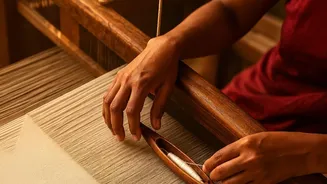
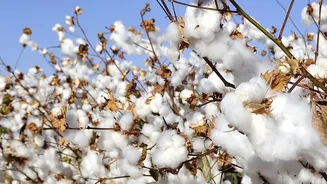
Long before it became an industrial hub, the region around Coimbatore was renowned for its cotton. The area's rich black soil was ideal for cultivation, and textiles from here were traded as far back as ancient Rome. However, the city's modern industrial identity
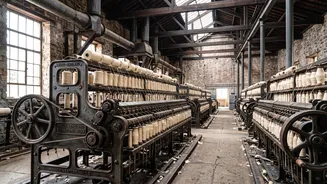
began to take shape in the late 19th century. The first major textile mill, the Coimbatore Spinning and Weaving Mills, was established in 1888 by Sir Robert Stanes. This kickstarted a revolution. The availability of cotton, coupled with the eventual arrival of hydroelectric power from the Pykara project in the 1930s, fueled an explosion of textile units. Entrepreneurs and farmers alike invested in the industry, transforming the landscape and establishing dozens of mills like Kaleeswarar Mills, Ranga Vilas Mills, and Radhakrishna Mills. These factories became the economic engines of the region, employing thousands and cementing Coimbatore's status as a textile powerhouse.
The Noyyal: A River of Life and Legacy
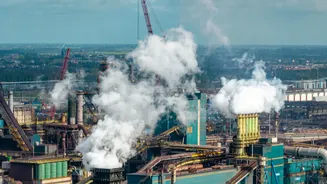
The Noyyal River was the silent partner in Coimbatore's textile boom. Originating in the Western Ghats, this seasonal river was historically the region's lifeline, part of a sophisticated water management system with tanks and canals built by the Chola kings centuries ago. For the burgeoning textile mills, the river was an essential resource, providing the vast quantities of water needed for processing cotton and dyeing fabrics. The mills were built along its banks, drawing life from its flow. However, this relationship came at a cost. For decades, the same river that enabled the industry also became a conduit for its industrial effluents, including chemical dyes and waste. This legacy of pollution has severely degraded the river's ecosystem, a challenge that civic bodies and environmental groups are still grappling with today.
From Industrial Sites to Heritage Spots
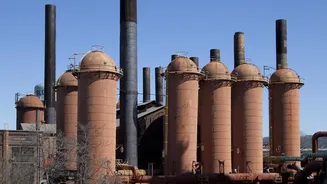
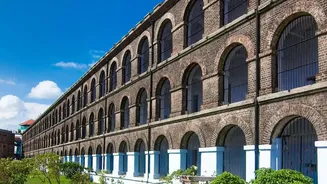
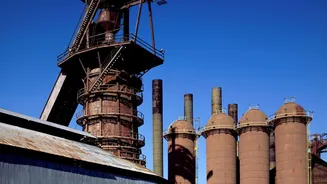
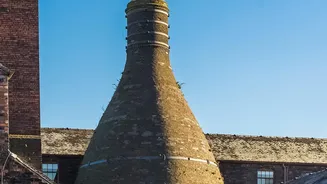
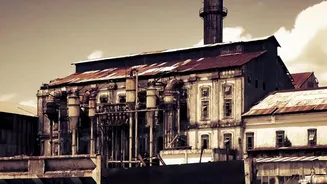
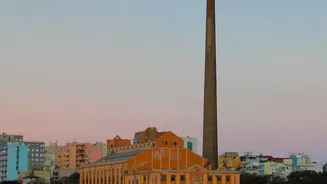
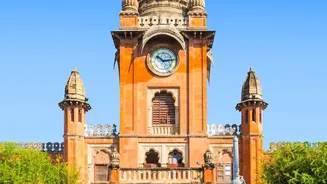
Today, the towering chimneys and sprawling complexes of the old mills are more than just remnants of an industrial past; they are monuments of Coimbatore's heritage. While some have been lost to time and urbanisation, others remain as landmarks. Efforts are now under way to frame this industrial history as a key part of the city's cultural narrative. Heritage walks, like those chronicled by historian Rajesh Govindarajulu, take residents through the old parts of the city, connecting the dots between ancient temples and the commercial streets that grew around the textile trade. The Kasthuri Sreenivasan Art Gallery and Textile Museum offers a more formal exploration, showcasing the technological evolution from early spinning wheels to modern machinery and preserving the story of the industry's growth.
Revitalising the River, Remembering the Past
The renewed focus on Coimbatore's industrial heritage is happening alongside major efforts to rejuvenate the Noyyal itself. The river's historical significance and ecological decline have prompted action. Environmental organisations like Siruthuli have been working to restore streams and renovate check dams to improve water storage and flow. Simultaneously, the Coimbatore City Municipal Corporation has proposed ambitious riverfront development projects. A recent plan submitted in August 2026 details a ₹73.05-crore project to develop a 4.3-km stretch with walking paths, viewing decks, and green spaces, aiming to reconnect the city's residents with their river. This project also includes measures to clean the river, such as installing trash booms to intercept floating waste. These initiatives signal a growing understanding that the river's health and the city's heritage are inextricably linked.