






Why Simple Is the Smartest Strategy
Forget trendy superfoods and restrictive diets for a moment. The most effective approach to long-term health is one you can stick with. Starting with familiar ingredients removes the intimidation factor. You don’t need to learn a whole new way of cooking
or spend a fortune on groceries. By focusing on the foods you already know and enjoy—like dal, seasonal vegetables, and whole grains—you build a foundation of healthy habits that feels natural and sustainable. This approach isn't about perfection; it's about making small, consistent improvements. The goal is to create a routine that supports your well-being without adding stress to your life, making healthy choices feel like second nature rather than a chore.
What Exactly Are Whole Ingredients?
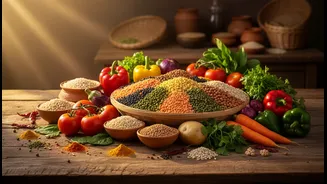
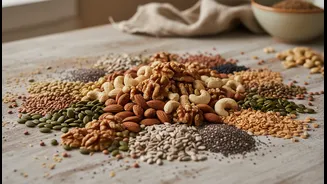
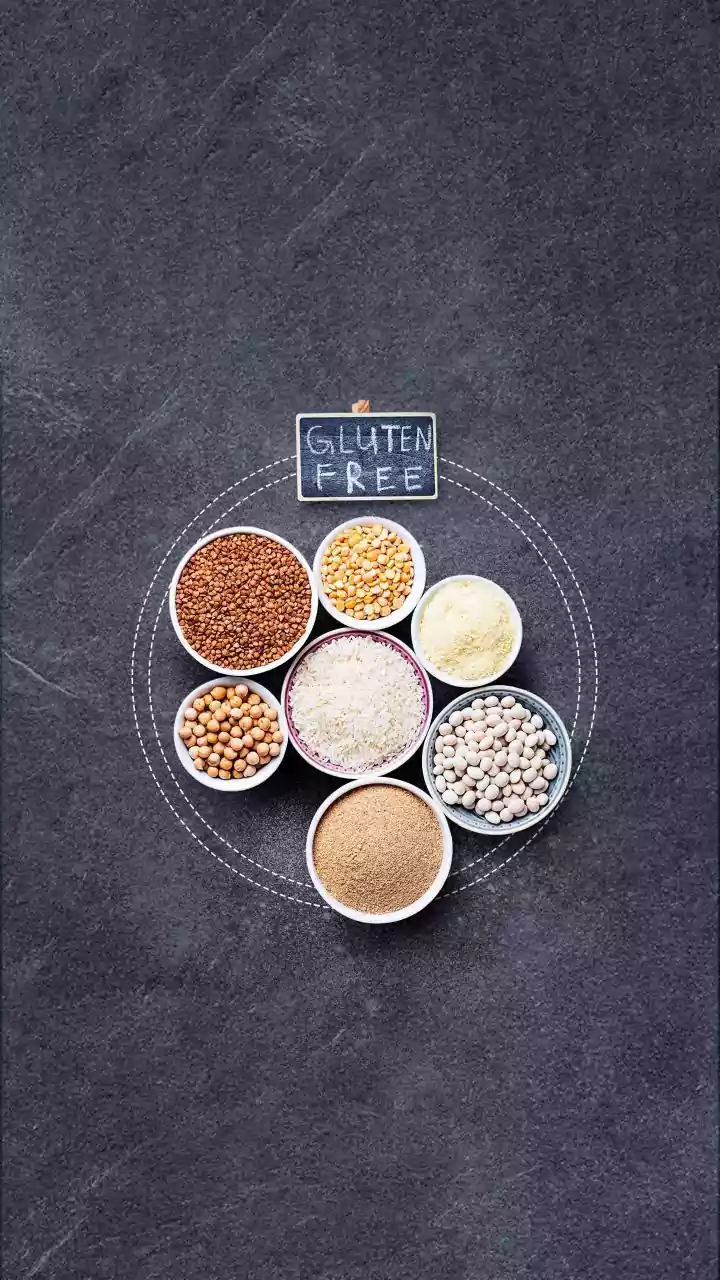
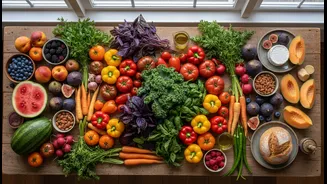
Whole ingredients are foods that are in or close to their natural state. Think of fresh vegetables and fruits, dals and legumes (like chana and rajma), whole grains (like brown rice and whole wheat atta), nuts, seeds, and minimally processed dairy like plain curd. These foods are packed with fibre, vitamins, and minerals that are often stripped away in highly processed items. Processed foods, on the other hand, are things that come in a packet with a long list of artificial ingredients, added sugars, and unhealthy fats. Choosing whole foods means you are getting nutrients as nature intended, which supports everything from gut health to stable energy levels.
The Power of a Regular Meal Schedule
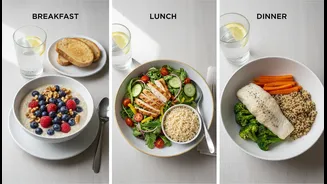
It’s not just what you eat, but when you eat. Eating regular meals helps regulate your metabolism, keeping your energy levels stable throughout the day. When you go too long without food, your blood sugar can dip, leading to fatigue, irritability, and intense cravings for unhealthy snacks. A consistent schedule—for example, three main meals and perhaps a planned snack—trains your body’s digestive system, improving nutrient absorption and reducing issues like bloating. This routine prevents extreme hunger, which often leads to overeating and poor food choices. By honouring your body’s need for fuel at predictable times, you support its natural rhythms and maintain better physical and mental performance.
How to Build a Familiar, Balanced Plate
You don't need complicated formulas to build a healthy meal. A simple, visual method works best. Imagine your plate divided into sections. Fill about half your plate with vegetables (like a sabzi or a fresh salad). They provide essential vitamins and fibre. One-quarter of your plate should be a source of protein. For many in India, this is a generous serving of dal, chickpeas, paneer, eggs, or chicken. The final quarter is for carbohydrates, which provide energy. Opt for whole grains like whole wheat roti, brown rice, or millets like ragi. Add a small amount of healthy fat, like a dollop of ghee or some nuts, to improve flavour and help you feel full. This simple structure ensures you get a balanced mix of nutrients in a format that is culturally familiar and easy to assemble.
Simple Swaps for a Healthier Start
Starting small doesn't mean your changes won't have a big impact. Begin by making simple swaps in your daily routine. Instead of packaged biscuits with your tea, try a handful of roasted chana or peanuts. Choose whole wheat bread or roti over options made with refined white flour (maida). When you make a sabzi, focus on adding more vegetables and less oil. If you enjoy rice, try mixing white rice with brown rice to slowly get used to the texture and flavour. These small adjustments, made consistently, add up over time. They help you gradually shift towards a diet rich in whole foods without feeling deprived of the tastes you love.