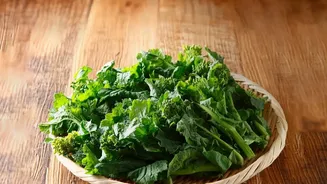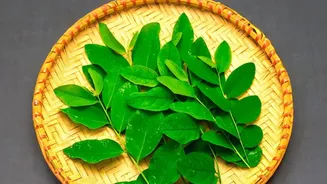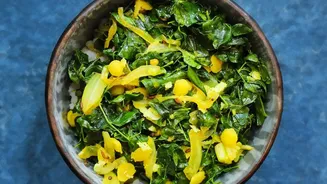








From the vibrant yellow of 'sarson ka saag' to the deep green of 'palak paneer', leafy greens are the unsung heroes of the Indian thali. They are not just for colour or texture; they are nutritional powerhouses packed with essential vitamins.
The Unsung Heroes of Nutrition
Green leafy
vegetables are a cornerstone of a balanced Indian diet, offering a wealth of health benefits without adding significant calories. They are brimming with vitamins, minerals, and dietary fibre, which are crucial for maintaining good health, preventing chronic diseases, and supporting a robust immune system. Whether it is spinach, fenugreek, mustard greens, or amaranth, each variety brings its unique profile of nutrients to the plate, making them an affordable and accessible way to nourish the body. Regular consumption can aid digestion, help manage weight, and contribute to overall well-being.
Decoding the Key Vitamins
Leafy greens are celebrated for their high concentration of several key vitamins. Vitamin A, often present as beta-carotene, is vital for vision, immune function, and skin health. Vitamin K is essential for blood clotting and building strong bones. Vitamin C, a powerful antioxidant, helps protect cells from damage, supports the immune system, and enhances iron absorption from plant-based sources. Folate (Vitamin B9) is crucial for cell growth and forming red blood cells, making it especially important during pregnancy. Together, these vitamins work to keep your body functioning optimally.
Palak (Spinach): The Versatile Powerhouse
Palak is perhaps the most widely consumed green in India, loved for its versatility. It is an excellent source of Vitamin K, Vitamin A, and folate. The high Vitamin K content is crucial for bone health, as it helps in calcium absorption. Vitamin A, in the form of beta-carotene, supports eye health and can help prevent issues like dry eyes. Spinach is also rich in iron, and its Vitamin C content aids in the absorption of this essential mineral, which is vital for preventing anaemia. Furthermore, the antioxidants in spinach, like lutein and zeaxanthin, protect the body from oxidative stress.
Methi (Fenugreek): More Than Just Flavour
Methi leaves, with their distinct bitter taste, are a staple in many Indian households, especially during winter. They are nutritionally dense, offering significant amounts of iron, calcium, and vitamins. Compared to spinach, methi often has a higher calcium and fibre content. The leaves are a good source of Vitamin A and C. Methi is also known for its potential health benefits, including aiding digestion and helping to manage blood sugar levels, thanks to its high fibre content. Its iron content is particularly notable, making it a great food for improving haemoglobin levels.
Sarson (Mustard Greens): A Winter Essential
Sarson ka saag is a winter delicacy for a reason. Mustard greens are a nutritional giant, packed with an exceptionally high amount of Vitamin K, which is essential for bone density and blood clotting. They are also loaded with Vitamin A and Vitamin C, both of which are powerful antioxidants that boost the immune system and protect against cellular damage. The high fibre content in sarson promotes digestive health and can help regulate blood sugar levels. These greens also contain compounds that may contribute to heart health by helping to lower cholesterol.
Chaulai (Amaranth): The Underappreciated Green
Often overlooked, chaulai or amaranth leaves are a nutritional treasure. They are available in both green and red varieties and are packed with essential nutrients. Amaranth leaves are an incredible source of Vitamin A, Vitamin C, and Vitamin K. A single cup can meet a significant portion of your daily Vitamin A requirement, which is vital for good vision and healthy skin. They are also rich in minerals like calcium, iron, and magnesium, supporting everything from bone health to energy production. Its high protein and fibre content make it a filling and highly beneficial addition to any meal.