




Understanding the Annual Restrictions
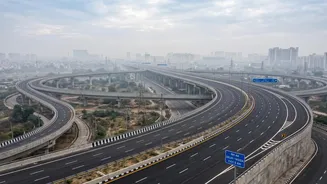
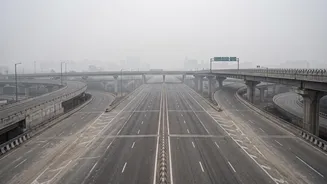
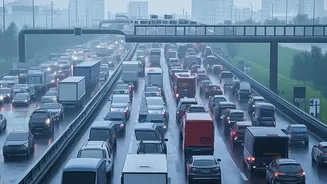
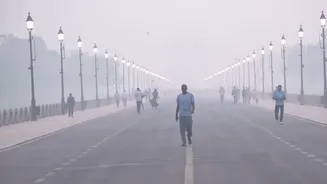
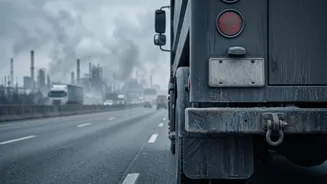
Every year, as temperatures drop and wind speeds slow, a toxic haze settles over the National Capital Region. This phenomenon, caused by a combination of factors including vehicular emissions, industrial pollution, construction dust, and stubble burning
in neighbouring states, prompts authorities to implement a series of emergency measures. The primary framework for this is the Graded Response Action Plan (GRAP), which rolls out increasingly strict rules as the Air Quality Index (AQI) worsens. For cross-border commuters, this has turned the daily drive into a game of chance, dependent on the day's pollution levels and the emission standards of their vehicle.
The GRAP System, Simplified
The GRAP is a four-stage system designed to be invoked based on air quality forecasts. Stage I ('Poor' AQI) is often preventative, involving crackdowns on visibly polluting vehicles and ensuring all vehicles have a valid Pollution Under Control Certificate (PUCC). Stage II ('Very Poor') may bring measures like increased parking fees to discourage private vehicle use. The real challenge for commuters begins with Stage III ('Severe'), which triggers a ban on specific types of private vehicles. Stage IV ('Severe+') can lead to even stricter measures, like banning most trucks from entering Delhi and states considering an 'odd-even' car rationing scheme. These stages are cumulative, meaning rules from lower stages remain in effect as new ones are added.
Which Vehicles Are Banned and Where?
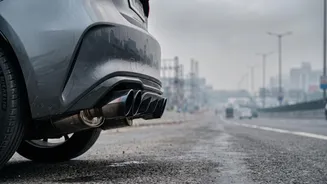
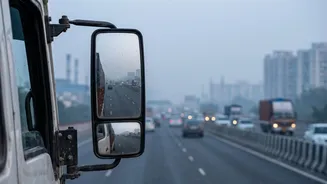
The most significant rule for daily commuters is the restriction on older vehicles. During GRAP Stage III, BS-III petrol and BS-IV diesel four-wheelers are typically banned from the roads in Delhi and key NCR cities like Gurugram, Faridabad, Ghaziabad, and Gautam Buddh Nagar (Noida). It is crucial to note that a valid PUC certificate does not exempt a vehicle from this ban if its emission standard falls under the restricted category. Furthermore, separate rules often target commercial vehicles. As of November 1, 2026, many commercial goods vehicles and buses with BS-IV or older standards are barred from entering Delhi, regardless of GRAP staging, with exemptions only for those running on CNG, electricity, or carrying essential goods. Vehicles registered in Delhi have sometimes been exempt from certain entry bans that apply to vehicles registered outside the state.
The Cross-Border Commuter's Dilemma
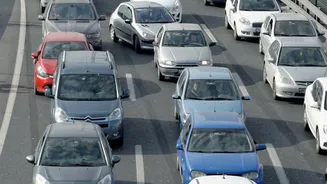
The patchwork of rules creates significant confusion. A vehicle that is legal to drive in Gurugram (Haryana) or Noida (Uttar Pradesh) can become illegal the moment it crosses the border into Delhi. This affects not only private car owners but also cab drivers, many of whom operate older vehicles and face a loss of livelihood. Enforcement is strict, with transport and police teams deployed at border points to check vehicles. This forces commuters to either risk hefty fines, switch to often-crowded public transport, or take leave from work. Adding to the complexity is the 'No PUC, No Fuel' policy, which allows fuel stations in Delhi to refuse petrol, diesel, or CNG to any vehicle without a valid pollution certificate, affecting both local and visiting drivers.
Penalties and Enforcement
Violating these environmental rules comes with a steep price. Driving a banned vehicle, such as a BS-IV diesel car during Stage III, can attract a fine of ₹20,000 under the Motor Vehicles Act. Not having a valid PUC certificate can result in a separate challan of ₹10,000. In recent years, authorities have issued tens of thousands of such challans, collecting crores in fines and demonstrating a clear intent to enforce these norms strictly. Enforcement isn't just manual; in some cases, AI-enabled cameras are used to monitor activities like construction, indicating a move towards technology-based surveillance.
Navigating Your Commute: Alternatives and Strategies
Given the uncertainty, planning is key. For those with restricted vehicles, the most reliable alternative is public transport. The Delhi Metro often increases the frequency of its services during pollution season to accommodate the extra rush. Carpooling is another effective strategy, and some companies have begun encouraging employees to work remotely to avoid the commuting headache altogether. Before starting your journey, always check the latest GRAP stage and specific restrictions for the day. Official government websites and social media handles of traffic police are the most reliable sources for real-time updates. For those considering a vehicle change, the government is actively promoting a shift to cleaner mobility, with financial incentives available for replacing older commercial vehicles with BS-VI or electric models.