






Before You Drive: The Pre-Monsoon Check
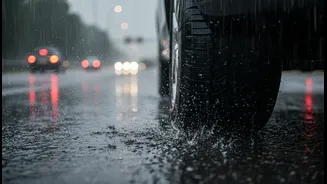
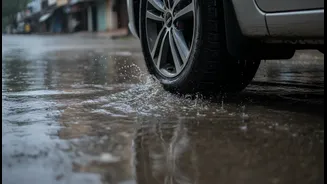
Preparation is your first line of defence against monsoon hazards. Before the rain sets in, a thorough vehicle check is non-negotiable. Start with your tyres, the only part of your car in contact with the road. Ensure they have adequate tread depth—at
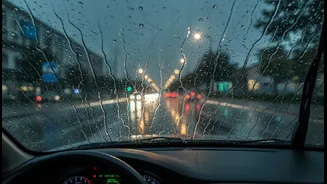
least 3mm is advisable—to effectively channel water away and prevent loss of traction. Check that all lights, including headlights, taillights, and indicators, are working perfectly. Poor visibility is a given in a downpour, and you need to see and be seen. Replace worn-out wiper blades that leave streaks; they are critical for a clear view. Finally, have your brakes inspected. Wet roads increase stopping distances, and your braking system needs to be in optimal condition to respond effectively.
On the Road: Navigating Wet Conditions
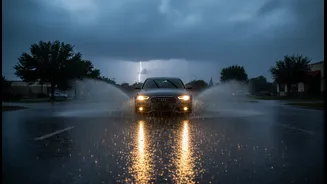
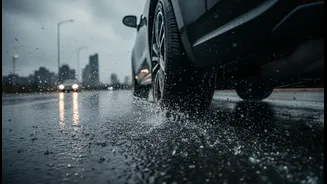
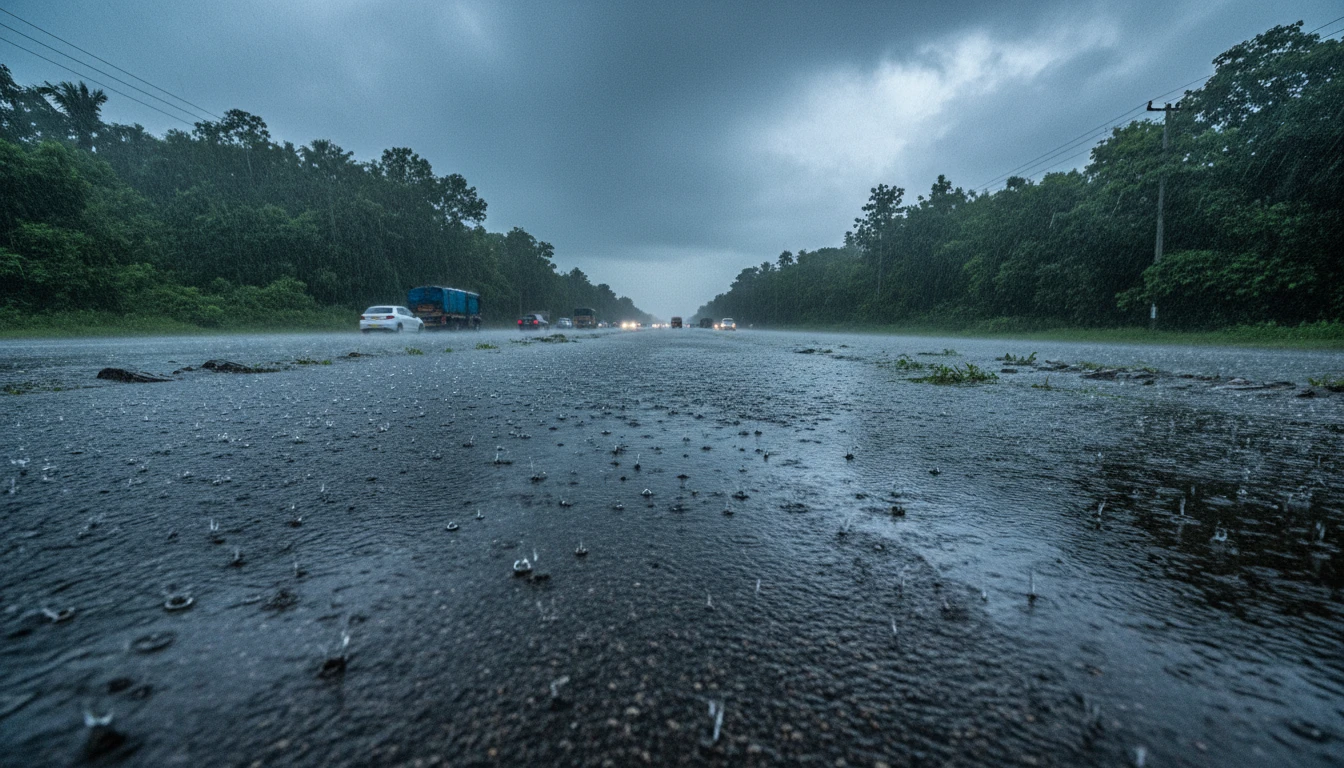
Once you're on the move, adjust your driving style for the weather. The most crucial rule is to slow down. Driving at a reduced speed gives you more time to react and significantly lowers the risk of hydroplaning. Hydroplaning, or aquaplaning, occurs when a layer of water builds up between your tyres and the road surface, leading to a dangerous loss of steering and braking control. Maintain a safe distance from the vehicle ahead—at least double what you would in dry conditions—to account for longer braking distances. Use your headlights on a low beam, even during the day, to improve your visibility to others. High beams can reflect off raindrops and worsen your vision.
The Danger of Waterlogged Roads
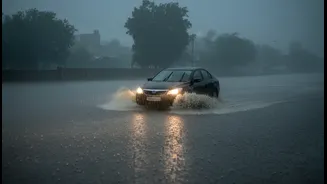
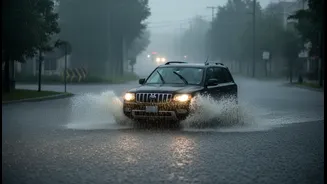
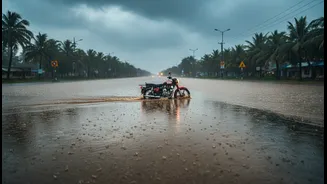
One of the biggest risks on Indian roads during monsoon is waterlogging. It is always best to avoid driving through standing water. It’s impossible to gauge the water's depth or what lies beneath it—hidden potholes, debris, or even open manholes are common dangers. As little as six inches of water can be enough to cause you to lose control or stall your engine. A foot of water can cause many vehicles to float, leaving you at the mercy of the current. If you absolutely must cross a waterlogged patch, do so slowly and steadily. If your car stalls, do not attempt to restart the engine. Trying to do so can draw water into the engine, causing a catastrophic failure known as hydrostatic lock.
In Case of Emergency: Getting Stuck
If you find yourself trapped in a car in rising floodwater, the first rule is to stay calm. Turn on your hazard lights to make yourself visible. Your first escape route should be the windows. Try to roll them down before the water level gets too high, as the external water pressure can make it impossible to open the doors. If the electronics fail, you may need to break a side window with a heavy object. Once out, do not stay with the vehicle; swim to the nearest high ground and call for help. Your personal safety is far more important than the vehicle or any possessions inside.
Must-Haves: Your Monsoon Emergency Kit
A well-stocked emergency kit can be a lifesaver. Ensure your car is equipped with items to handle common monsoon mishaps. This includes a first-aid kit, a powerful waterproof flashlight with extra batteries, and a fully charged power bank for your phone. Jumper cables are essential in case of a dead battery, which is more common in damp weather. It's also wise to carry a tow strap, some non-perishable snacks and water, a dry towel, and an umbrella or a rain poncho. These items don't take up much space but can make a huge difference if you find yourself stranded.