





Embracing the Darkness
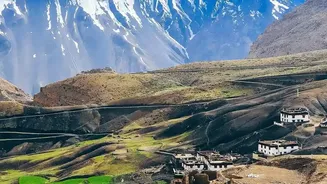
For most places, development means more lights, more construction, and more noise. But for the Kokna tribal community in Udmal village, progress means the opposite. Situated on a remote hilltop, far from the light pollution of any major urban centre,
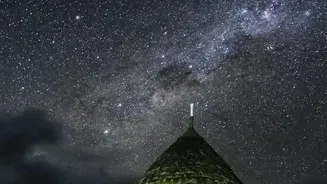
Udmal possesses a resource rarer than gold: a truly dark night sky. On clear nights here, the Milky Way isn't a faint, mythical band but a brilliant, sprawling river of light, visible to the naked eye. Realising the value of this celestial canopy, the village is on a path to become Maharashtra's first certified 'Dark Sky Community'. This isn't just about tourism; it's a community-led movement to preserve a natural wonder while creating sustainable livelihoods.
A Community-Led Vision
The initiative began not with outside developers, but with the villagers themselves. The Udmal gram sabha passed a landmark resolution under the Panchayats (Extension to Scheduled Areas) Act (PESA) to actively protect its night skies. This resolution was a formal commitment to curb light pollution, not by eliminating light, but by using it more wisely with scientifically planned, shielded outdoor lighting. The district administration has backed this vision, sanctioning ₹42.1 lakh under the District Annual Tribal Sub-Plan to support the project. This funding is crucial for night-sky quality assessments, installing responsible lighting, and, most importantly, training local youth. The project is being implemented in collaboration with the NGO Astronera, which is guiding the village toward official certification from DarkSky International.
An Economy Powered by the Cosmos
Astro-tourism is more than just a novelty; it's a powerful economic engine for remote communities. Similar projects in places like Ladakh have shown that community-run astro-tourism can create revenue, empower women, and reduce outward migration by providing local employment. For Udmal, the plan is to build a holistic experience for visitors. This includes guided stargazing sessions led by trained local youth, night-sky photography workshops, and eco-friendly homestays that offer an authentic taste of local culture and cuisine. The goal is to generate income while preserving the region's natural and cultural heritage, ensuring that the economic benefits flow directly back into the community. It’s a model that turns the night sky into a classroom, a source of income, and a point of immense local pride.
Maharashtra's Starry Ambitions
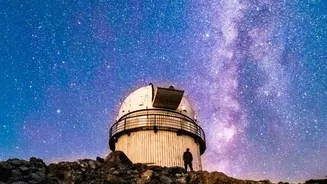
Udmal is a flagship site in a much larger vision for the state. Maharashtra has identified 11 locations for astro-tourism development as part of its 'Vikasit Maharashtra 2047' initiative and a formal Dark Sky policy. From the Pench Tiger Reserve to the Lonar Crater Lake, the government aims to establish a network of sites dedicated to astronomy and eco-tourism. This strategy involves creating infrastructure like observatories, telescope viewing stations, and interpretation centres. Udmal's community-first approach, however, sets it apart. While Pench became India’s first Dark Sky Park, Udmal is pioneering the Dark Sky Community model—a living settlement that integrates conservation into its daily life. This makes it a powerful blueprint for other rural areas looking to leverage their unique natural advantages.