


The Unseen Risks in Every Puddle
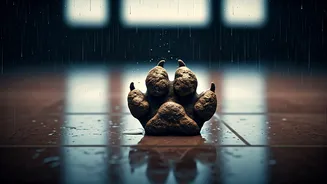
During the monsoon, the environment transforms into a breeding ground for bacteria, fungi, and parasites. Puddles and waterlogged streets, which seem like harmless fun, can be contaminated with harmful microorganisms. Constant dampness from wet grass
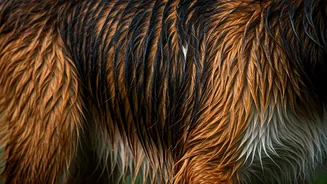
and mud creates the perfect conditions for infections to take hold, turning a joyful walk into a potential health hazard. The high humidity, often above 80%, means your pet's coat and paws take much longer to dry, trapping moisture against the skin and creating an ideal microenvironment for problems to develop. This is especially true for the vulnerable spots between the toes and paw pads.
Common Monsoon Paw Problems
Persistent moisture can lead to a range of painful and irritating conditions. Fungal and yeast infections are among the most common, thriving in the warm, damp spaces between your dog's toes. You might notice your dog excessively licking their paws, or see redness and inflammation—these are early warning signs. Another significant danger is Leptospirosis, a serious bacterial disease spread through the urine of infected animals, which contaminates stagnant water. A dog can get infected simply by walking through a contaminated puddle, especially if they have a small cut on their paw. Other issues include painful hot spots (acute moist dermatitis) and general irritation from trapped dirt and debris.
The Essential Post-Walk Routine
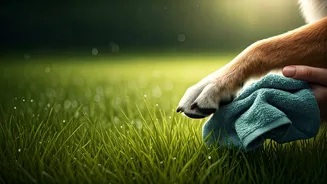
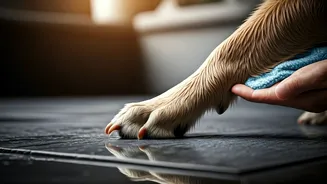
A consistent cleaning routine is non-negotiable during the rainy season. After every single walk, no matter how short, you must clean and dry your pet’s paws. Start by using a clean, damp cloth or pet-friendly wipes to remove all visible mud and grime. Pay special attention to the area between the paw pads, where moisture and debris love to hide. For particularly muddy paws, a rinse with lukewarm water is necessary. You can use a mild, vet-approved antiseptic solution or a gentle dog shampoo, but be sure to rinse thoroughly.
Thorough Drying is Key
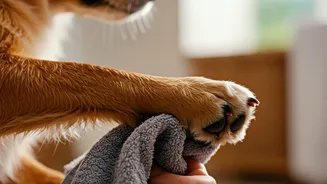
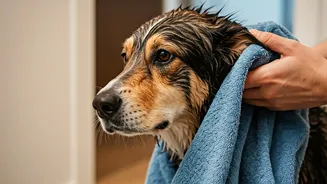
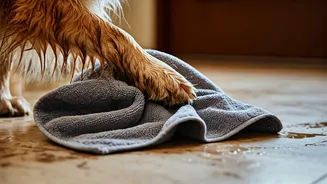
Cleaning is only half the battle; drying is just as crucial. Trapped moisture is the primary culprit behind most monsoon paw infections. Use a clean, absorbent microfiber towel to dry each paw completely. Don't forget to carefully dry between the toes. For pets with long or thick fur, a towel alone may not be enough. Consider using a pet-friendly hairdryer on a low-heat, low-speed setting to ensure the paws and the fur around them are bone-dry. Leaving them damp is an open invitation for yeast and bacteria to multiply.
Protective and Preventive Measures
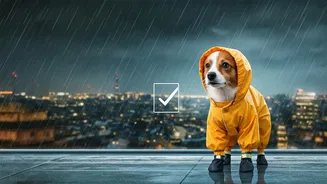
Beyond cleaning, you can take other steps to protect your pet's paws. Keeping the fur between their paw pads trimmed short can significantly reduce the amount of mud and water that gets trapped. This also improves air circulation, helping the area stay drier. For dogs who will tolerate them, waterproof booties offer excellent protection against mud, sharp objects, and contaminated water. Applying a thin layer of a pet-safe paw balm or wax before walks can also create a protective barrier, repelling moisture and soothing pads that may become dry from frequent cleaning.
When to See a Veterinarian
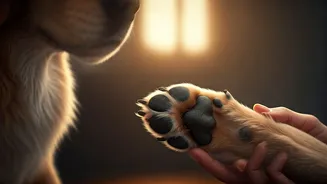
Vigilance is essential. Regularly inspect your pet’s paws for any signs of trouble. If you notice persistent licking or chewing, redness, swelling, limping, or any unusual odour coming from the paws, it's time to consult your veterinarian. These can be signs of an infection that requires medical treatment. Catching these problems early can prevent them from escalating into more serious and painful conditions. Don't dismiss excessive licking as a simple habit, especially during the monsoon; it's often a clear signal of discomfort.