

The humble rice bowl is a perfect canvas for a healthy, flavourful, and satisfying meal. It’s endlessly versatile and a great way to use up leftover ingredients. Here’s a simple guide to building a better bowl from the ground up.
The Foundation: Choosing Your Rice
The base of your bowl
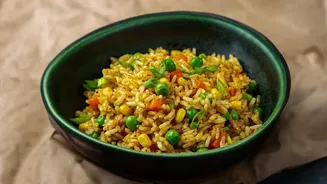
is just as important as the toppings. Different types of rice offer unique textures and flavours that can define your meal. Long-grain varieties like basmati and jasmine cook up fluffy and separate, making them ideal for soaking up sauces without becoming sticky. Brown rice, a whole-grain option, provides a chewier, nuttier base and extra fibre. For a slightly stickier texture that holds together, a medium-grain rice like Calrose is a great all-rounder. If you want something a bit different, red rice offers a firm, chewy bite and an earthy flavour that pairs wonderfully with bold sauces and roasted vegetables. No matter which you choose, cooking it in vegetable broth instead of water can add an instant layer of flavour.
A Rainbow of Vegetables
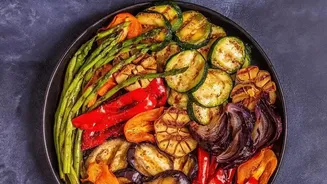
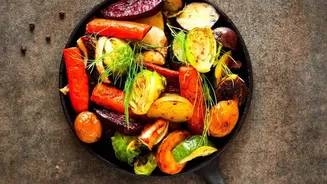
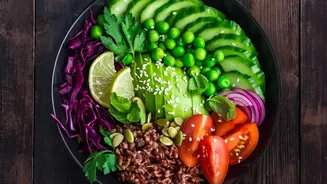
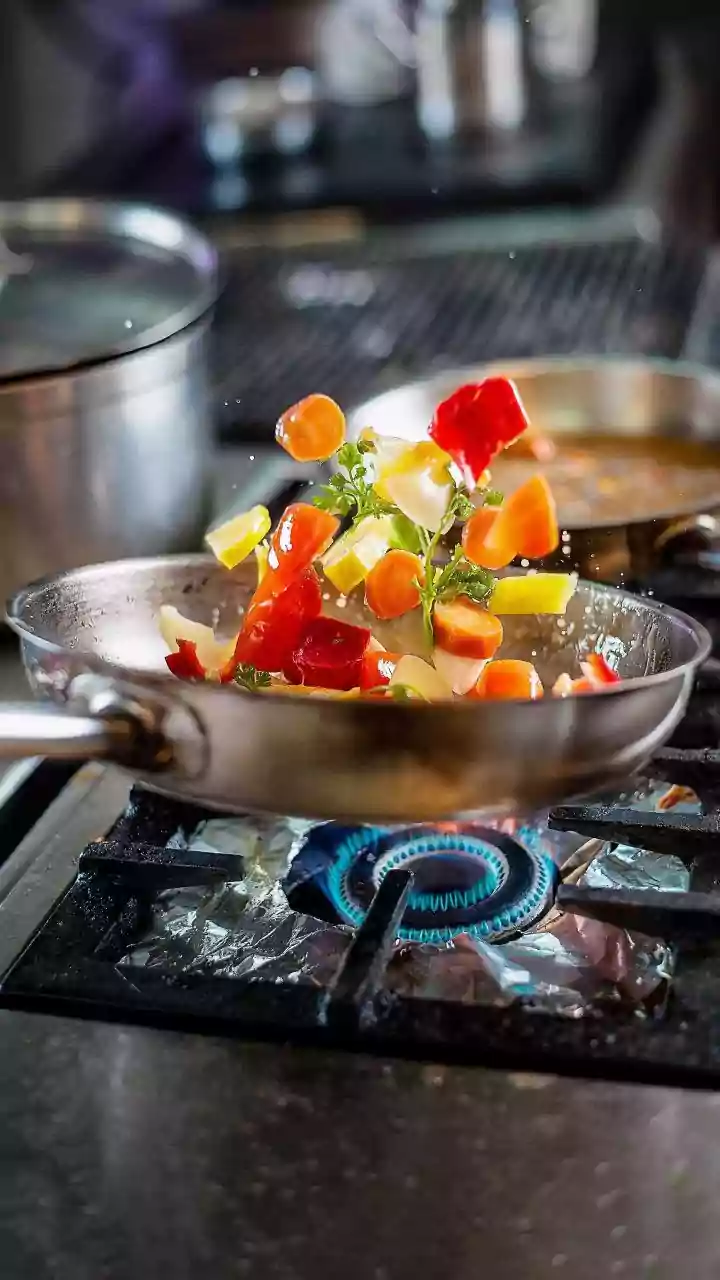
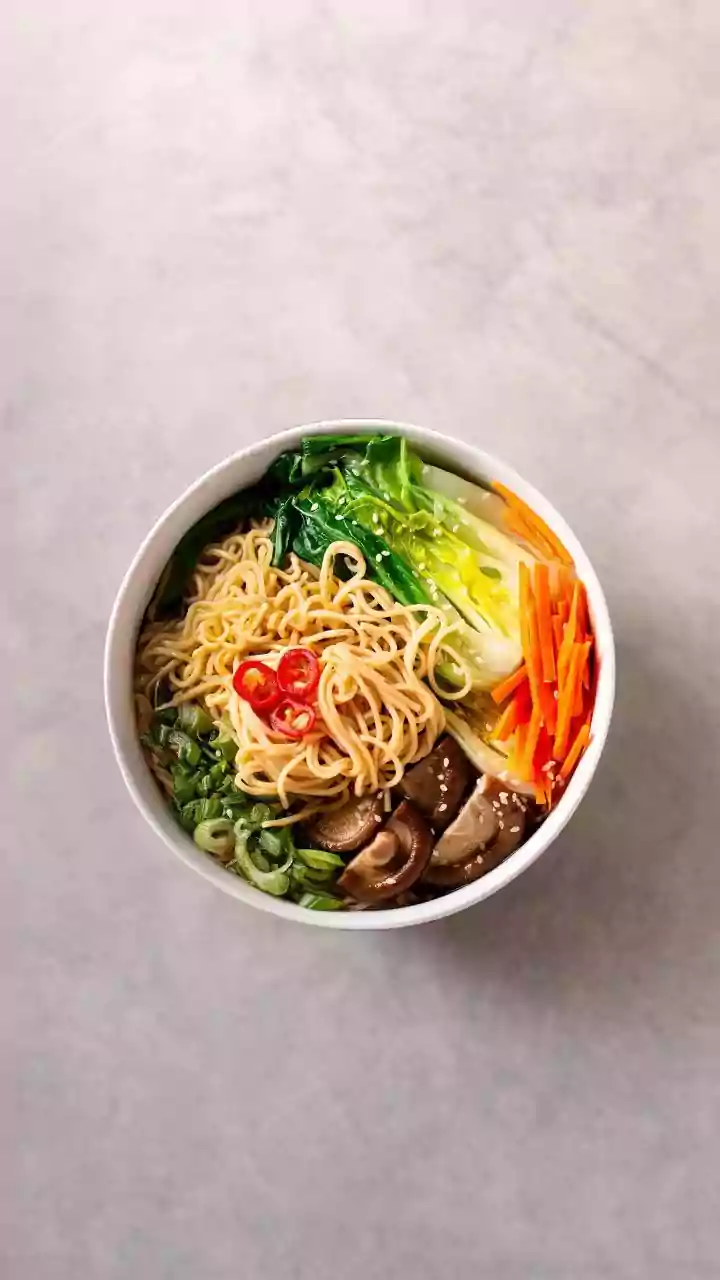
Vegetables add colour, nutrients, and a variety of textures. The preparation method is key. Roasting vegetables like broccoli, bell peppers, carrots, and red onion brings out their natural sweetness and gives them a tender, slightly crisp quality. For a fresh, crisp element, add raw, thinly sliced cucumbers, shredded carrots, or fresh greens like spinach or romaine lettuce. Steaming is another quick option, especially for broccoli or leafy greens like bok choy and kale, keeping them tender yet vibrant. You can also lightly sauté vegetables like mushrooms with a splash of soy sauce or julienned carrots with sesame oil for distinct layers of flavour. A mix of both cooked and raw vegetables will create the most dynamic and interesting bowl.
The All-Important Crunch Factor
Texture is what elevates a good rice bowl to a great one, and crunchy toppings are non-negotiable. This is where you can get truly creative. Toasted nuts and seeds are a classic choice; think almonds, walnuts, peanuts, or sesame seeds. For an extra savoury hit, try store-bought or homemade fried shallots or garlic, which add an intense, aromatic crispness. Roasted chickpeas, seasoned with spices, provide both crunch and a protein boost. Other excellent options include crushed peanuts, crispy fried onions, and even a sprinkle of sev for a familiar Indian twist. Don't underestimate the power of fresh, crunchy vegetables like diced red onion or quick-pickled cucumbers to provide that satisfying textural contrast.
Power Up With Protein
While vegetables are the star, adding a protein source makes the bowl a more complete and filling meal. For plant-based options, consider baked or pan-fried tofu, tempeh, or edamame beans. A scoop of chickpeas or lentils is another easy way to add substance and fibre. If you're not strictly vegetarian, a fried or soft-boiled egg with a runny yolk can act as a rich, creamy sauce when mixed into the bowl. These protein elements absorb the flavours of the sauce and complement the surrounding vegetables, making the entire dish more substantial.
Tying It All Together With a Sauce
A great sauce is what unifies all the components of your rice bowl. A simple dressing can be whisked together in minutes. For a classic Asian-inspired flavour, combine soy sauce, rice vinegar, sesame oil, and a touch of honey or maple syrup. A creamy peanut sauce, made with peanut butter, soy sauce, and lime juice, is rich and satisfying. For something fresh and zesty, a tahini-based dressing with lemon juice and fresh herbs like cilantro and parsley is a fantastic choice. Even a simple drizzle of sriracha or a dollop of yogurt mixed with herbs can provide the moisture and flavour needed to complete your meal.