



A Monsoon Ritual Steeped in Tradition
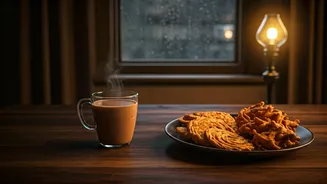
For generations, the Indian monsoon has been intrinsically linked with a specific culinary ritual: enjoying hot, freshly made snacks with a cup of steaming chai. The sound of rain is often accompanied by the sizzle of batter hitting hot oil. The undisputed
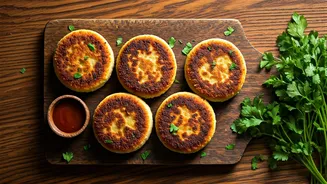
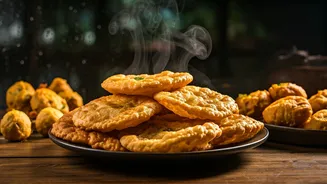
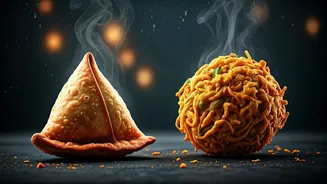
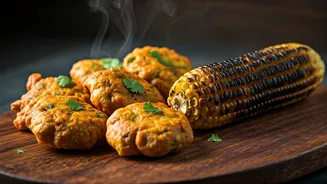
kings of this tradition are pakoras—crispy fritters made from vegetables like onion, potato, or spinach dipped in a spiced gram flour batter. [5, 9] Alongside them are classics like triangular samosas stuffed with savoury potatoes, and of course, bhutta—roasted corn on the cob, slathered with lime, salt, and chilli powder. [4, 16] This isn't just about food; it's a sensory experience, a comforting tradition that brings families together and offers a delicious respite from the downpour outside. [4, 24]
From a Simple Bite to Centre Stage
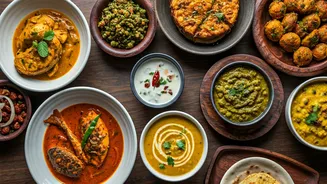
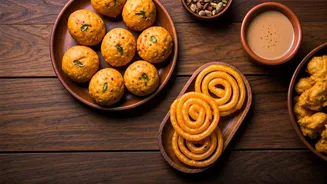
While a plate of onion pakoras has always been a cherished treat, a fascinating shift is taking place. The humble snack is graduating to become the main event. Enter the 'pakora platter', a concept gaining popularity in homes and restaurants alike. [18, 25] Instead of a single type of fritter, these platters offer a dazzling assortment: paneer pakoras, gobi (cauliflower) pakoras, mirchi (chilli) vadas, and aloo (potato) bhajiyas all sharing the same space. [18, 26, 27] This variety transforms the experience from a light bite into a substantial, satisfying, and shareable meal. It’s a feast of textures and flavours, often accompanied by an array of chutneys, making it more than just a passing indulgence. [18]
The Urban Lifestyle and the Rise of 'Snackification'
This trend is more than just a creative way to enjoy fried food; it’s a reflection of a broader change in Indian eating habits, often dubbed 'snackification'. [8, 10] In bustling urban centres, lifestyles have become more fast-paced. [10, 22] Long work hours and draining commutes leave little time or energy for elaborate cooking. [8, 10] As a result, many Indians are moving away from the traditional three-square-meals-a-day structure, opting instead for smaller, more frequent meals or substantial snacks that can replace a meal. [8, 11] A hearty pakora platter fits perfectly into this new reality, offering the comfort of a home-style treat with the convenience of a quick, no-fuss dinner.
An Entire Meal on a Single Platter
What makes these snack platters a legitimate dinner is their completeness. They are not just an assortment of fried items but a curated culinary experience. A well-constructed 'Bahubali Pakora Platter', as some lovingly call it, often features a variety of vegetables, cheese, and sometimes even chicken, ensuring a mix of different food groups. [18, 27] Served with tangy tamarind chutney, fresh mint-coriander chutney, and perhaps a simple salad or sliced onions, it becomes a balanced affair. [26] For many, especially young professionals and small families, it's a fun and social way to eat—a low-effort, high-reward meal that encourages sharing and conversation, turning dinnertime into a relaxed, communal event.
The Health-Conscious Counterpoint
Of course, the indulgence of a fried platter isn't the only story. As health consciousness grows across India, so does the demand for healthier alternatives. [14, 15, 17] For every person enjoying a platter of pakoras, there's another reaching for a roasted bhutta, which is often seen as a healthier, non-fried monsoon snack. [19, 24] The market is also responding with innovation. There's a growing movement towards baked, air-fried, or millet-based versions of traditional snacks, offering the same beloved flavours with less guilt. [12, 14, 20] This dual trend shows the complexity of modern Indian food culture: a deep love for traditional indulgence coexisting with a forward-looking approach to health and wellness.