



The Golden Spice and Its Peppery Partner
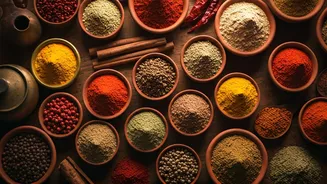
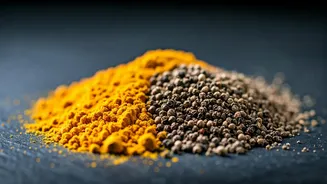
Turmeric, or 'haldi', is the undisputed star of the Indian spice box. Revered for centuries, it lends its vibrant golden hue and earthy flavour to countless curries, dals, and rice dishes. Its significance goes beyond the kitchen, playing a role in everything
from Ayurvedic medicine to cultural ceremonies. Its active compound, curcumin, is the source of its fame. But curcumin has a secret: on its own, our bodies struggle to absorb it effectively. Most of it gets metabolised and flushed out before it can impart its full range of benefits. This is where its humble partner comes in. Black pepper, or 'kali mirch', is more than just a source of heat. For millennia, it was a prized commodity, sometimes valued more than gold. And while it adds a pungent kick to any dish, its most magical property might be what it does for its golden friend.
The Science of Synergy
The magic behind this pairing lies in two key compounds: curcumin in turmeric, and piperine in black pepper. Piperine is the bioactive ingredient that gives black pepper its characteristic pungency. When you consume turmeric alone, the curcumin has very low bioavailability, meaning only a fraction of it enters your bloodstream. Your liver works quickly to make the curcumin water-soluble so it can be easily excreted. However, research has shown that when piperine is consumed alongside curcumin, it works as a powerful bioavailability enhancer. It does this in two ways: first, it makes it easier for curcumin to pass through the intestinal wall, and second, it inhibits certain enzymes in the liver that would normally break curcumin down. This one-two punch allows the curcumin to remain in the body for longer and at higher concentrations. Studies have suggested that piperine can increase the bioavailability of curcumin by a staggering 2,000%.
A Timeless Culinary Tradition
What modern science has only recently quantified, Indian culinary wisdom has known for centuries. This powerful combination wasn't discovered in a lab; it was perfected in kitchens. Ayurvedic texts from as early as 250 BCE describe pairing turmeric with other ingredients, like black pepper, to enhance its effectiveness. Think about the foundational 'masalas' that form the base of so many Indian dishes. They are complex blends, but very often, where you find turmeric, you will also find black pepper. From the robust curries of the south to the warming dals of the north, this pairing is an intuitive part of the subcontinent's culinary DNA. Even the comforting glass of 'haldi doodh' (turmeric milk) given for coughs and colds is often served with a pinch of black pepper, a tradition passed down through generations.
Beyond the Curry Pot
Unlocking the benefits of this dynamic duo is simple and doesn't require a radical diet overhaul. While you are already getting this benefit from traditional Indian cooking, there are many other easy ways to incorporate the pair into your daily meals. Start your day by sprinkling a bit of both into your scrambled eggs or omelette. The combination adds a beautiful colour and a warm, spicy kick. They also work wonderfully with roasted vegetables; simply toss cauliflower, potatoes, or chickpeas with olive oil, salt, turmeric, and black pepper before baking. You can also whisk them into soups, blend them into smoothies, or add them to a simple rice pilaf. Creating a simple seasoning blend of turmeric and black pepper to keep on your counter makes it easy to add a healthy and flavourful boost to almost any savoury dish.