


Why Your Breakfast Needs a Protein Boost
Many traditional Indian breakfast options like poha, upma, or toast are delicious but primarily based on carbohydrates. While they provide a quick burst of energy, they can lead to a rapid spike and subsequent crash in blood sugar levels. This is what
causes that feeling of hunger, irritability, and fatigue just a few hours after your meal. Incorporating a good amount of protein into your breakfast slows down digestion, which helps keep your blood sugar stable for longer. This means you feel fuller and more satisfied, reducing cravings for unhealthy snacks before lunch. Studies show that a protein-rich start to the day is linked to better appetite control, increased energy, and even benefits for muscle health.
What Makes a Breakfast 'Smarter'?
A 'smarter' breakfast isn't just about loading up on eggs. It's about efficiency and nutrient density. The modern protein-rich breakfast is designed for busy lifestyles, offering convenience without compromising on health. This includes everything from innovative, ready-to-cook mixes that deliver high protein in minutes to simple hacks for upgrading the meals you already love. Many Indian kitchens are already equipped with protein powerhouses like moong dal, besan, paneer, and sprouts. The smart approach is learning how to use these familiar ingredients in quick, practical ways to ensure you're getting a substantial protein intake, ideally between 15 to 25 grams, to kickstart your day.
Quick Fixes from Your Kitchen
You don't need to be a gourmet chef to whip up a fast, protein-packed breakfast. Simple, home-cooked meals can be incredibly effective. A two-egg bhurji or masala omelette, for instance, provides around 12-14 grams of protein and can be cooked in under 10 minutes. For vegetarians, paneer bhurji is an excellent alternative, with a 100g serving offering a substantial 18-20 grams of protein. Other quick options include moong dal or besan chillas, which are savoury pancakes made from lentil flours. Two medium-sized moong dal chillas can provide about 14-16 grams of protein. And don't underestimate the power of sattu; a simple sharbat made from this roasted gram flour is a no-cook option that delivers around 15 grams of protein per glass.
Upgrading Your Traditional Favourites
You don't have to give up your favourite traditional breakfasts to get more protein. Instead, you can give them a smart upgrade. If you love poha or upma, try adding roasted peanuts, sprouts, or crumbled paneer to boost the protein content significantly. Swapping regular rava for quinoa in your upma and topping it with paneer cubes is another great way to make it a more complete meal. For idli and dosa lovers, instead of having too many, reduce the number and add a protein-rich side like a bowl of sambar, scrambled eggs, or a tofu scramble. Even parathas can be made more nutritious by stuffing them with paneer or sattu instead of just potatoes.
Convenient On-the-Go Solutions
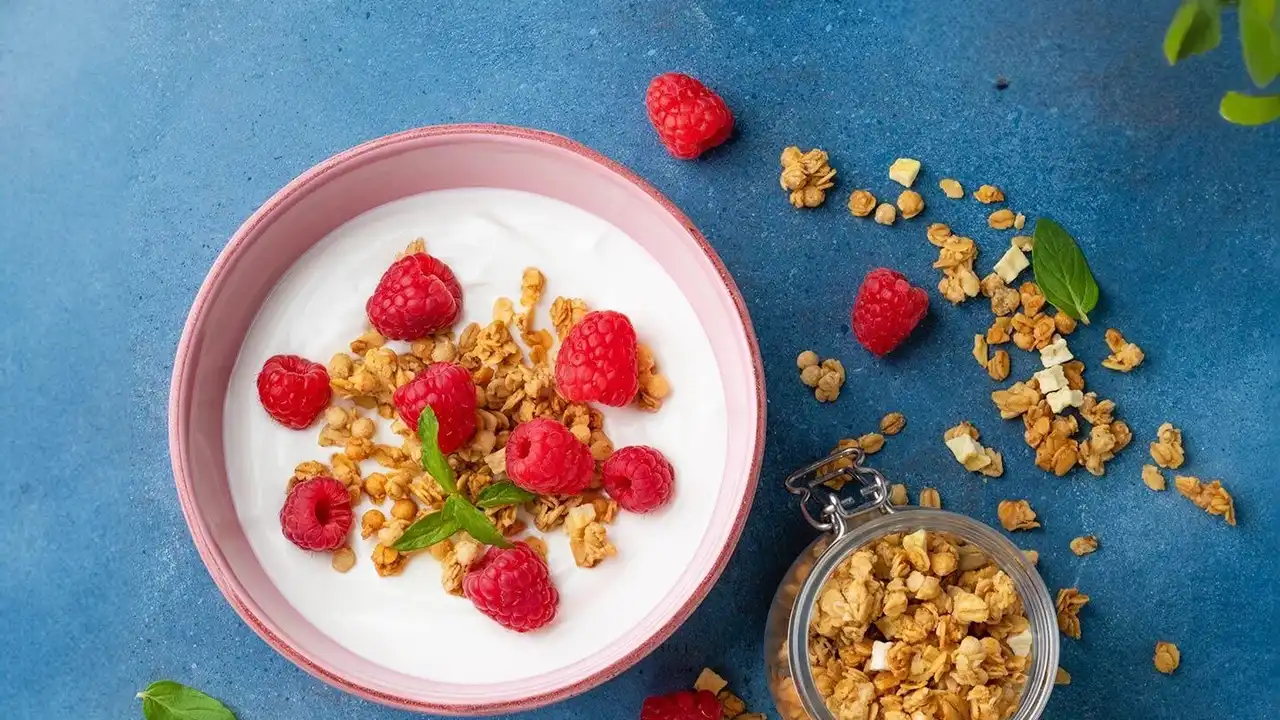
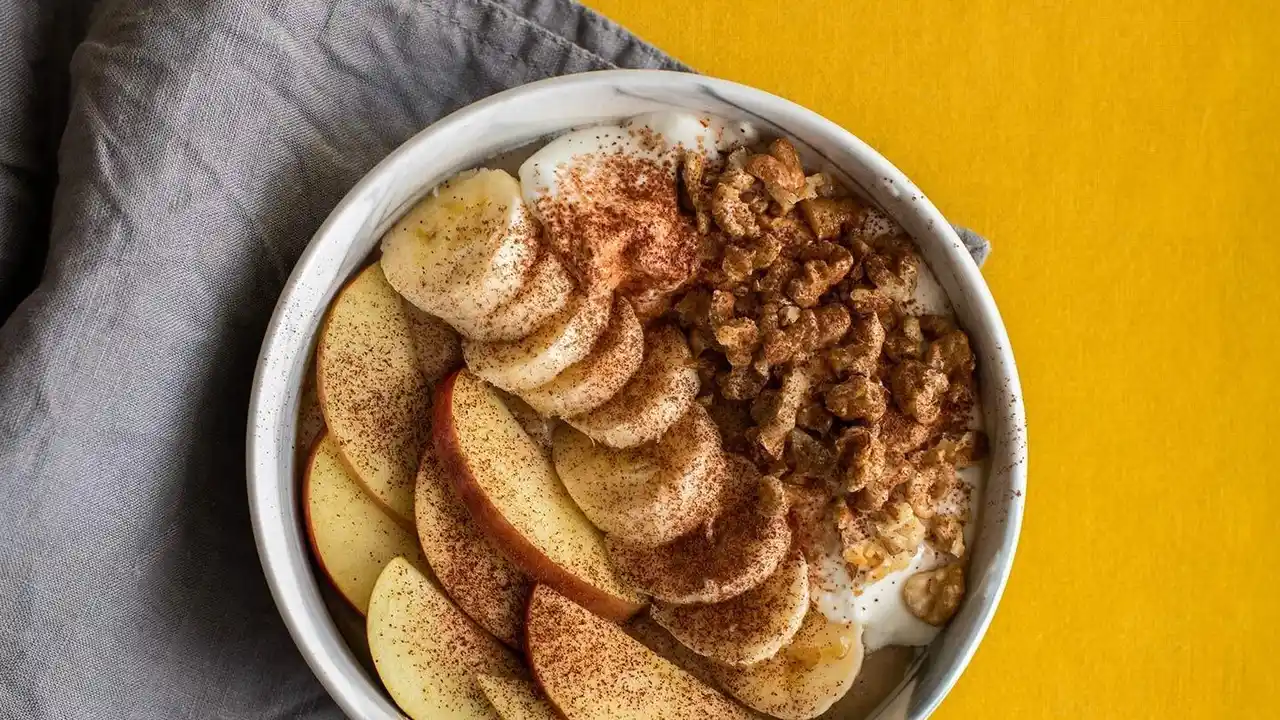
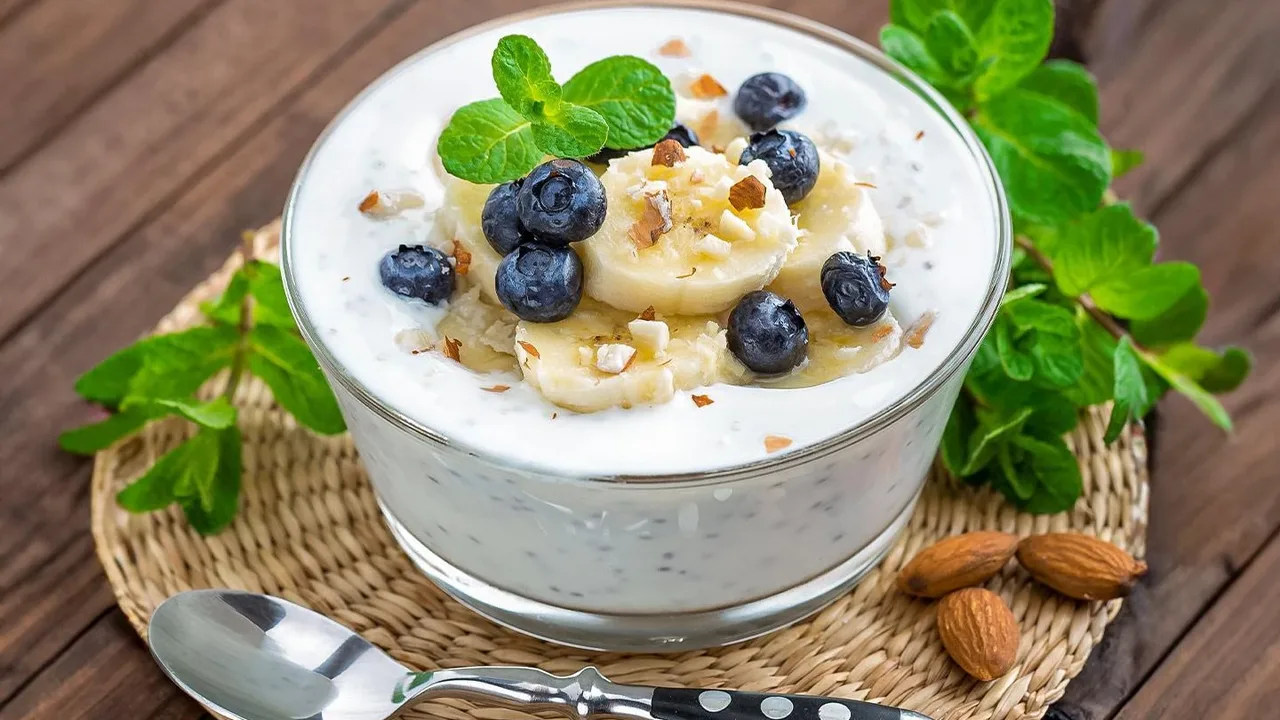
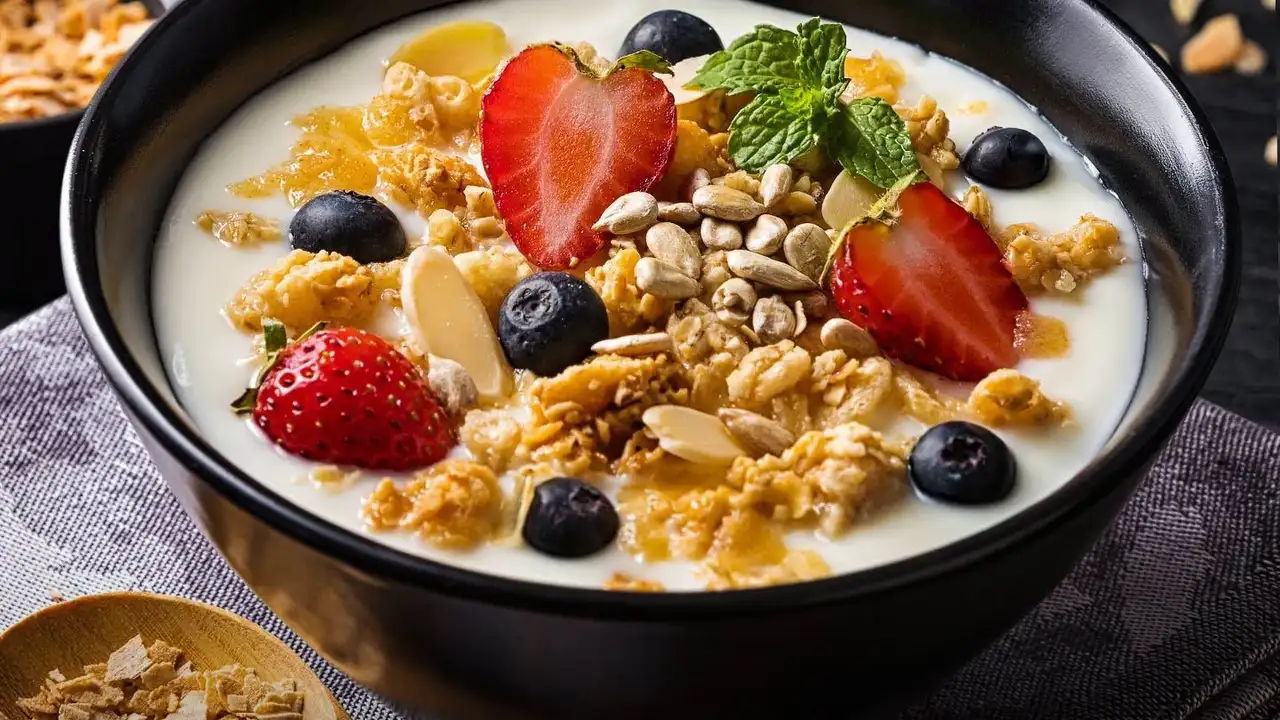
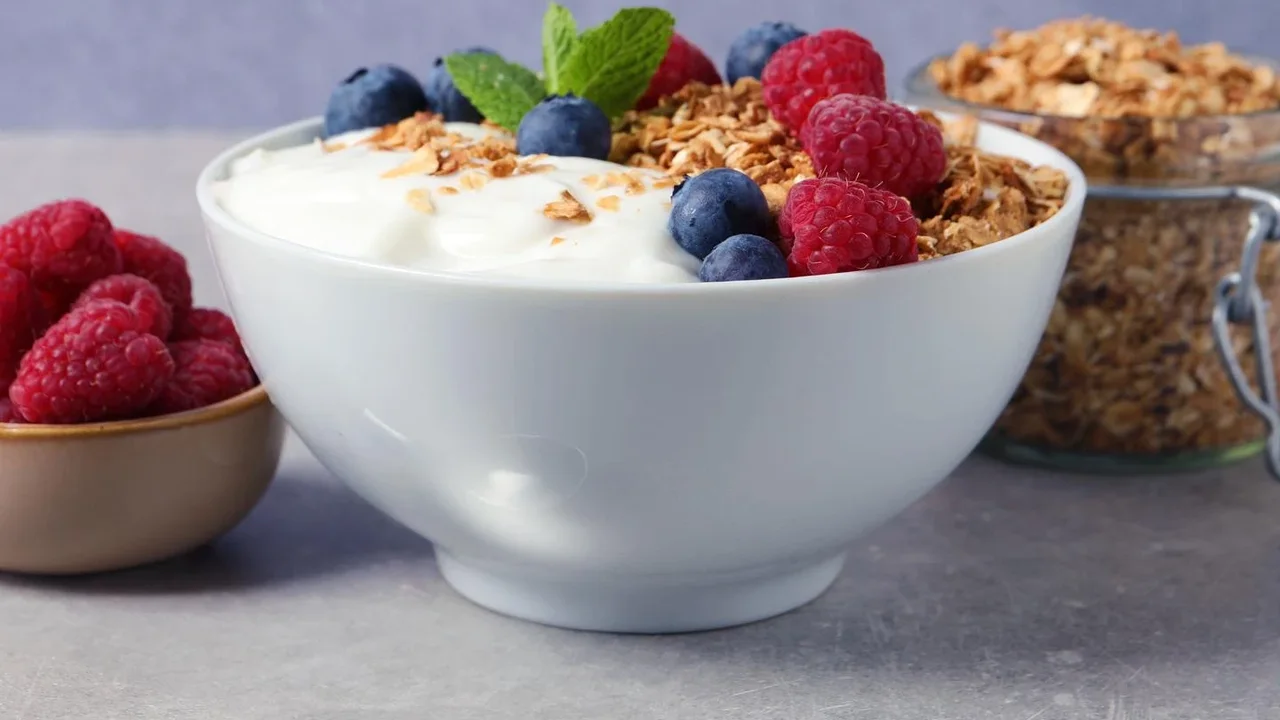
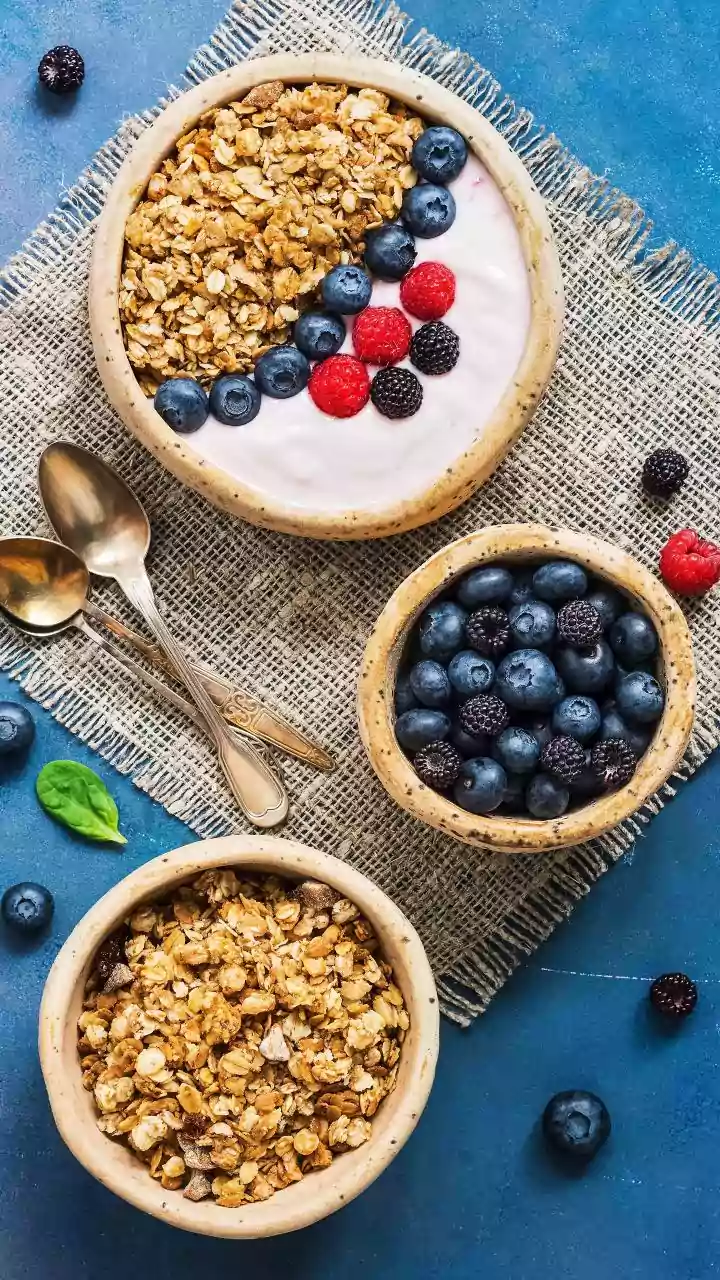
For days when you have absolutely no time to cook, the market now offers a growing number of ready-to-eat and ready-to-cook options. High-protein muesli, which can contain over 20 grams of protein per serving when combined with whey protein, is a quick option that just requires adding milk or yogurt. Greek yogurt, which has more protein than regular dahi, can be paired with nuts and seeds for a no-cook breakfast with about 15-18 grams of protein. There are also instant chilla and dosa mixes fortified with protein from sources like multigrain flours, sprouted legumes, and millets. These mixes can help you prepare a nutritious meal in minutes, proving that a busy schedule and a healthy breakfast can go hand-in-hand.