



A Surge in Core Commodities
The national transporter moved 141.3 million tonnes of goods in July, a substantial increase from 129.7 million tonnes during the same month last year. This growth wasn't uniform; it was propelled by double-digit increases in crucial sectors. Iron ore
loading shot up by a remarkable 22.2%, while coal and food grains both saw an 11.5% rise. Fertilisers also recorded a strong 12% increase. These commodities form the bedrock of industrial and agricultural activity, and their increased movement points to robust demand in manufacturing, infrastructure, and farming sectors across the country.
Powering the Nation
Coal remains the single most dominant commodity in India's freight basket, accounting for a massive share of the volume. The 11.5% growth in July is particularly significant as it reflects heightened demand from thermal power plants. To meet this need, Indian Railways increased its supply of domestic coal to power producers by 20% compared to July of the previous year. This proactive measure underscores the railways' critical role in ensuring India's energy security, especially as industrial and consumer electricity demands rise. A disruption in this supply chain would have immediate and widespread economic consequences.
Infrastructure Paying Off
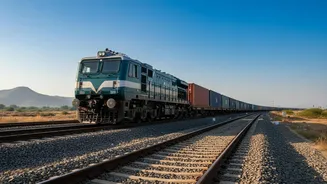
This surge in volume isn't just a story about demand; it's also about capacity. The ongoing rollout and near-completion of Dedicated Freight Corridors (DFCs) are fundamentally changing India's logistics landscape. These special lines separate freight from passenger traffic, allowing goods trains to run at higher average speeds of 50-60 km/h, more than double the pace on conventional mixed-use lines. This has drastically reduced transit times—by up to 50% in some cases—and improved the reliability of goods movement. By boosting efficiency, the DFCs allow the network to handle more cargo, a key factor in accommodating July's impressive numbers.
More Than Just Bulk Cargo
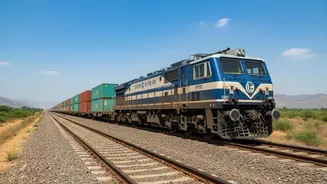
While bulk goods like coal and iron ore are the traditional mainstays, the July data also showed a 12.1% increase in the 'balance other goods' category. This segment often includes containerised goods, finished industrial products, and other items that are more sensitive to broader economic consumption trends. The growth here suggests that the demand is not solely confined to raw materials but is also reflective of a pickup in finished goods and potentially consumer demand. This diversification is a key goal for Indian Railways as it seeks to capture a larger share of the overall logistics market from road transport.
An Economic Barometer
Ultimately, rail freight is a powerful barometer for the economy. The strong performance in July, translating into an 8% increase in freight revenue for the railways, indicates healthy industrial activity and sustained demand. The increased movement of everything from raw materials for steel plants to food grains for public distribution paints a picture of a broad-based economic pulse. As India heads into the festive season, which traditionally sees a spike in manufacturing and consumption, these freight numbers provide an early and optimistic signal about the economic trajectory for the latter half of the year.