


The Great Indian Coffee Awakening
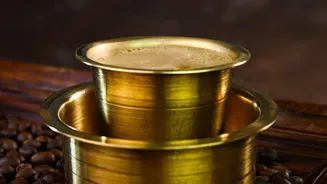
In a nation traditionally dominated by tea, coffee is experiencing a remarkable transformation. While South Indian filter coffee has a long and storied history, and instant coffee has been a household staple for decades, a new “third wave” of coffee culture
is taking hold. Driven by Millennials and Gen Z, this movement is shifting focus from coffee as a mere caffeine delivery system to an artisanal experience. This demographic, which makes up a significant portion of specialty coffee consumers, is armed with higher disposable incomes and a curiosity that extends far beyond the rim of a mug. They are exploring flavour profiles, brewing methods, and the story behind their cup, turning what was a simple ritual into a lifestyle statement.
What is 'Single-Origin' Anyway?
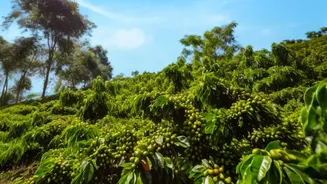
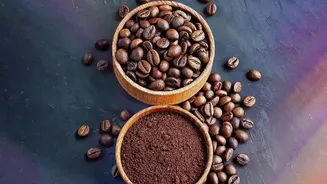
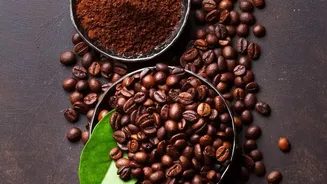
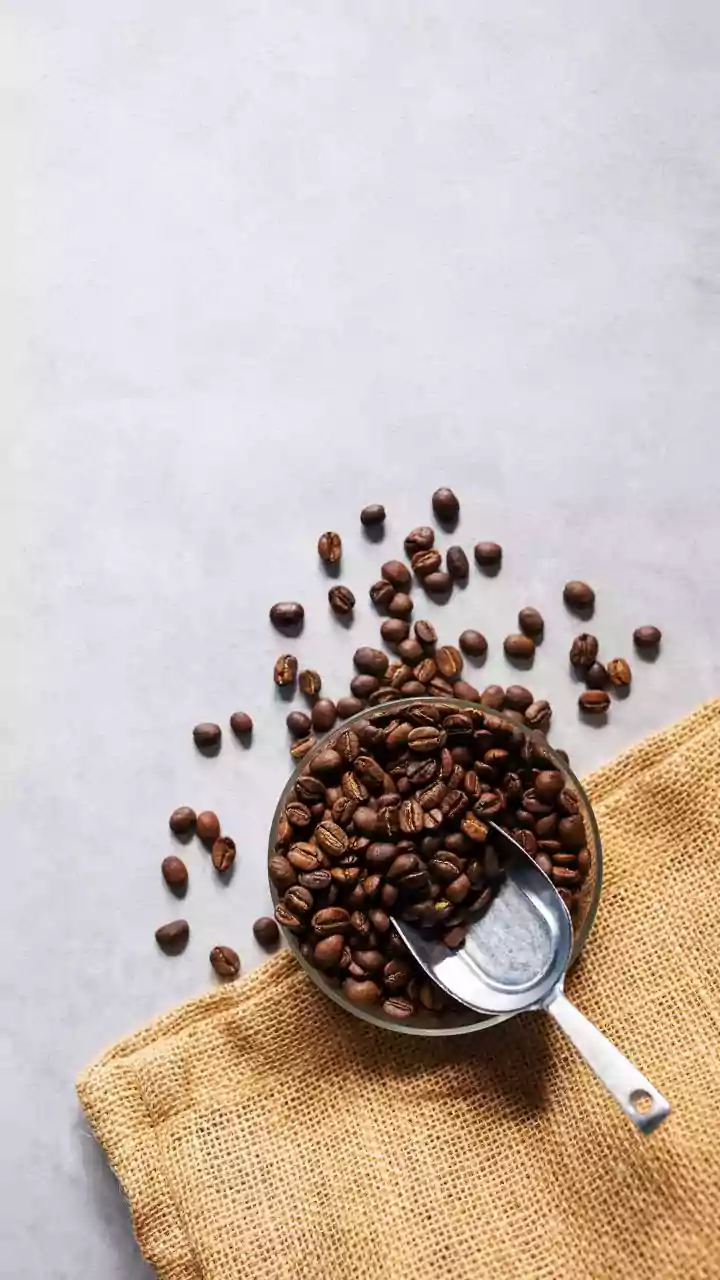
The terms “specialty” and “single-origin” can seem intimidating, but the concept is simple. Unlike a blend, which combines beans from multiple places to achieve a consistent taste, single-origin coffee comes from one specific geographical location—often a single farm or estate. This allows the unique characteristics of that region—its soil, climate, and altitude, collectively known as 'terroir'—to shine through in the final cup. Instead of a generic coffee taste, you might notice the floral, delicate notes of an Arabica from Araku Valley or the rich, chocolatey body of a bean from Chikmagalur. It's about celebrating the individuality and traceability of the coffee, knowing exactly where your beans were grown and who grew them.
More Than a Beverage, It's an Identity
So, why the sudden upgrade? For younger Indians, the choice of coffee is becoming a form of self-expression. In the age of social media, the aesthetic appeal of a beautifully crafted pour-over or a minimalist café provides the perfect backdrop for content creation. Beyond the visuals, there's a growing desire for authenticity and conscious consumption. Drinkers want to know the story behind their brew, showing a preference for brands that offer transparency about their sourcing and support local Indian estates in regions like Coorg, the Nilgiris, and Wayanad. Choosing a single-origin coffee from a domestic roaster is seen as a way to support local economies and appreciate the craftsmanship of Indian growers.
The Rise of Home Baristas and D2C Brands
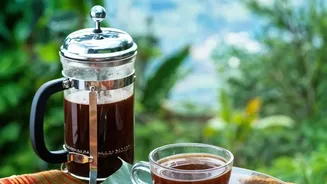
This coffee revolution isn't just happening in cafes. The pandemic accelerated a trend of home brewing, with enthusiasts investing in everything from French presses and AeroPresses to pour-over kits. This shift has been fueled by a new wave of Indian direct-to-consumer (D2C) brands. Roasters like Blue Tokai, Third Wave Coffee, and numerous other artisanal players have made high-quality, freshly roasted Indian coffee accessible nationwide through e-commerce. By printing the roast date on every pack and offering a wide variety of beans from different estates, these companies are educating consumers and empowering them to recreate cafe-quality experiences in their own kitchens.
Cafes as Classrooms for Coffee
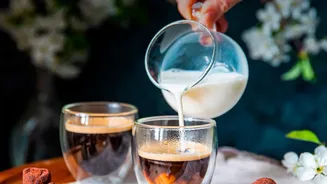
Modern specialty coffee shops have become crucial gateways for a new generation of drinkers. Chains and independent cafes across metropolitan and even Tier-2 cities serve as community hubs and educational spaces. Here, customers are introduced to different brewing methods, attend 'cupping' (tasting) sessions, and learn the difference between a washed and a natural-process bean from trained baristas. These spaces have been pivotal in popularizing specialty coffee, making it less of a niche interest and more of an accessible, engaging hobby. They have successfully transformed the act of buying coffee into a premium experience that consumers are willing to seek out.