







Gourds: The Monsoon Superstars
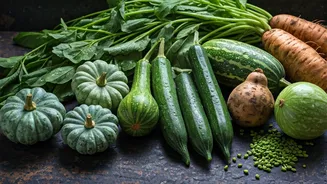
Bottle gourd (lauki), ridge gourd (turai), and snake gourd (chichinda) are the unsung heroes of the rainy season. These vegetables are packed with water (often over 90%), making them incredibly hydrating and exceptionally easy to digest. During a season when
our digestive fire (agni, in Ayurveda) is naturally weaker, heavy foods can cause bloating and indigestion. Gourds are light on the stomach, preventing such discomfort. Lauki, in particular, is rich in fibre, which aids bowel movements, and contains essential minerals like potassium, iron, and magnesium. Their cooling nature also helps balance body temperature in the muggy weather.
Bitter Gourd (Karela): Your Immunity Shield
Many people shy away from karela due to its bitterness, but its benefits during the monsoon are too good to ignore. Bitter gourd is a powerhouse of Vitamin C and antioxidants, which are vital for strengthening the immune system against common monsoon ailments like colds, coughs, and fevers. Its active compounds have antiviral and antibacterial properties, offering a natural line of defence. Furthermore, it's renowned for its ability to regulate blood sugar levels. A simple stir-fry with onions and spices or adding it to dal can make it more palatable while delivering all its potent health advantages.
Pointed Gourd (Parwal): The Gut-Friendly Wonder
Parwal is another vegetable that truly shines during the monsoon. It's loaded with fibre, which helps keep the digestive system clean and functioning smoothly. Traditionally, it's used in Ayurvedic medicine to treat gastric problems and improve appetite. What makes it particularly great for this season is its richness in vitamins A and C, which help combat infections. Whether you make a simple 'parwal ki sabzi', stuff it with masala, or add it to a mixed vegetable curry, you’re giving your gut the support it needs to handle the season.
Indian Squash (Tinda): Light, Nutritious, and Versatile
Often called the round gourd, tinda is another excellent choice for the rainy season. Like other gourds, it has high water content and is low in calories, making it a perfect addition to a weight-conscious diet. Its gentle, soothing properties make it ideal for maintaining a healthy digestive tract when the risk of water-borne diseases is high. Tinda is a good source of antioxidants and anti-inflammatory agents, which help keep your body in fighting form. It absorbs flavours beautifully, making it a versatile ingredient for everything from simple curries to more elaborate stuffed dishes.
Root Vegetables: Grounding and Nourishing
While we focus on gourds, let's not forget the humble root vegetables. Sweet potatoes (shakarkandi) and taro root (arbi) are fantastic during this season. They are complex carbohydrates that provide sustained energy, fighting the lethargy that often comes with gloomy weather. Sweet potatoes are an incredible source of beta-carotene, a precursor to Vitamin A, which is crucial for immune function and skin health. Arbi is rich in dietary fibre and minerals. These vegetables provide a comforting, earthy balance to the lighter gourds and help you feel grounded and nourished.
A Word of Caution on Leafy Greens
While leafy greens like spinach (palak) and fenugreek (methi) are nutritious, they require extra caution during the monsoon. The high moisture content in the soil and air means they are more susceptible to mud, grime, and germs. If you choose to eat them, ensure they are thoroughly washed, preferably by soaking them in a solution of salt water or vinegar for a few minutes, followed by a rinse under running water. Cooking them well is also essential to kill any lingering pathogens. It's often wiser to favour the vegetables mentioned above, which grow on vines and are less exposed to ground-level contaminants.