





The Constant Threat to Harvests
Agriculture in Punjab and Maharashtra, while vital to India's food security, is fraught with challenges. Farmers in these regions regularly face issues like water scarcity, sudden pest infestations, and crop diseases that can wipe out a significant portion
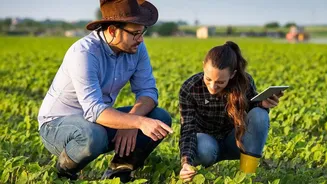
of their potential harvest and income. Traditional methods of monitoring fields are often labour-intensive and reactive; by the time a problem is visible to the naked eye, substantial damage may have already occurred. This vulnerability has created a pressing need for smarter, more proactive solutions that can provide an early warning system and guide decisions before a crisis hits.
A New Generation of Watchful Eyes
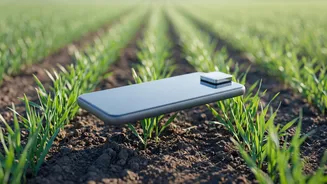
Enter the world of low-cost crop sensors. These are not complex, expensive machines but small, durable devices placed directly in the field. Startups and agricultural technology initiatives are developing sensors that monitor a range of critical data points in real-time. This includes soil moisture and temperature, nutrient levels (like Nitrogen, Phosphorus, and Potassium or NPK), humidity, and sunlight. Think of them as a 24/7 digital watchman for the farm, collecting crucial information that was previously invisible. This data is then transmitted wirelessly, often via basic mobile networks, to a central platform.
How 'Small AI' Turns Data into Action
The real magic happens when Artificial Intelligence (AI) processes this stream of data. The technology being deployed is often described as 'small AI'—affordable, accessible tools built to solve specific problems rather than massive, power-hungry systems. This AI doesn't require a supercomputer; it can run on cloud platforms and deliver insights directly to a farmer's basic smartphone. By analyzing patterns, the AI can predict potential issues days in advance. For instance, by correlating soil moisture levels with weather forecasts, it can advise on the optimal time to irrigate, saving precious water. By detecting subtle changes in a plant's health from images or sensor readings, it can flag the beginning of a pest attack or disease, allowing for targeted intervention instead of broad, wasteful pesticide spraying.
Cracking the Code of Affordability
For any technology to succeed in Indian agriculture, it must be affordable for small and marginal farmers. The high cost of advanced equipment has historically been a major barrier. This new wave of AgriTech startups is focused on breaking this barrier. Affordability is achieved through several means: using cheaper, more robust materials for sensors, simplifying the hardware, and leveraging the power of cloud computing, which removes the need for expensive on-farm processing equipment. Some models are even based on a subscription or service fee, eliminating a large upfront investment. Initiatives in Maharashtra include generative AI-powered chatbots like MahaVISTAAR-AI, which farmers can query in their local language using just their phone, making expert advice highly accessible.
Real-World Impact in Punjab and Maharashtra
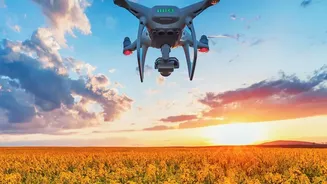
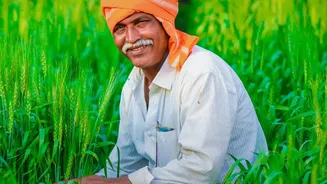
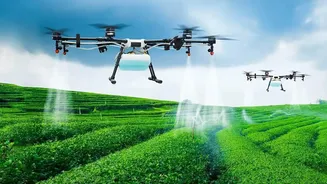
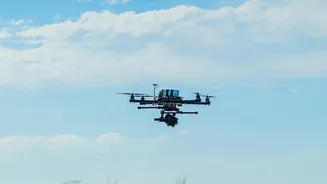
The adoption of these technologies is already showing promising results in both states. In parts of Maharashtra, farmers using AI-powered apps and sensors have reported significant income increases and reductions in crop failures by making more informed decisions. These tools help with everything from choosing the right crop to managing climate risks. In Punjab, known for its extensive wheat and rice cultivation, precision agriculture techniques, including the use of sensors and drones, are helping farmers manage pest outbreaks and optimize inputs. While widespread adoption is still in its early stages and faces hurdles like fragmented land holdings and the need for more training, government initiatives and pilot programs are actively promoting these technologies. The goal is to transform farming from a practice based on tradition and guesswork to one driven by data and precision.