







Understanding Desk-Induced Posture Problems
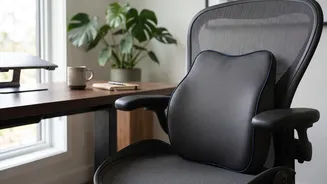
Before diving into the exercises, it helps to understand why desk work is so tough on our bodies. When you sit for prolonged periods, especially while leaning toward a screen, a predictable pattern occurs. Your hip flexors tighten, your glutes become
inactive, your upper back rounds, and your chest muscles shorten. This muscular imbalance pulls your skeleton out of its natural alignment, leading to the classic slouched posture that causes strain on your neck, shoulders, and spine. The goal of a corrective exercise program is to reverse this pattern by strengthening the muscles that have become weak and lengthening those that have become tight.
1. Deadlifts: The Foundational Posture-Corrector
Often seen as an exercise for building raw strength, the deadlift is also one of the most effective movements for improving posture. It targets the entire posterior chain—the muscles along the back of your body, including your glutes, hamstrings, and spinal erectors. Strengthening these muscles provides the support system your spine needs to stay upright. Proper deadlift form requires you to maintain a neutral, straight spine throughout the lift, which improves body awareness and reinforces good postural habits. To perform it correctly, stand with your mid-foot under a barbell. Hinge at your hips to grip the bar, keeping your back straight. Drive through your feet to stand up, keeping the bar close to your body.
2. Seated or Bent-Over Rows: Pull Your Shoulders Back
Rows are a non-negotiable exercise for anyone looking to fix rounded shoulders. This movement directly targets the muscles in the upper back, such as the rhomboids and latissimus dorsi, which are responsible for pulling your shoulder blades together. Consistently training these muscles helps counteract the forward pull created by tight chest muscles from hours of hunching. Whether using a cable machine, dumbbells, or a barbell, the key is to focus on squeezing your shoulder blades together at the peak of the movement. Keep your spine neutral and avoid using momentum to pull the weight.
3. Face Pulls: The Ultimate Shoulder Health Exercise
If there's one exercise that specifically targets the 'desk slump,' it's the face pull. This movement strengthens the often-neglected rear deltoids and external rotators of the shoulder. These muscles are crucial for shoulder stability and directly fight against the internal shoulder rotation that causes a hunched-forward look. To do a face pull, set a rope attachment on a cable machine at eye level. Grab the rope and pull it toward your face, driving your elbows up and out. At the end of the movement, your hands should be on either side of your head. Use a light weight and focus on high-quality repetitions.
4. Planks: Building Core Stability
Good posture isn't just about your back; it starts with a strong and stable core. The plank is an excellent exercise for building the endurance needed in your abdominal and lower back muscles to keep your torso stable and upright throughout the day. A strong core prevents your lower back from arching excessively and helps maintain a neutral pelvic position, which is the foundation for the rest of your spine. To perform a plank, hold your body in a straight line from your head to your heels, engaging your core and glutes. Avoid letting your hips sag or rise too high.
5. Glute Bridges: Waking Up Inactive Muscles
Sitting all day effectively puts your glutes to sleep. These powerful muscles are essential for hip extension, pelvic stability, and supporting your lower back. Weak or inactive glutes can contribute to lower back pain and poor alignment. The glute bridge is a simple yet effective exercise to reactivate them. Lie on your back with your knees bent and feet flat on the floor. Drive through your heels to lift your hips toward the ceiling, squeezing your glutes at the top. This not only strengthens the glutes but also helps to stretch out tight hip flexors.