



The Bat, The Bruise, and The Bad Blood
The inaugural 2007 T20 World Cup was rocked before a ball was even bowled for Pakistan. In a heated training session in South Africa, fast bowler Shoaib Akhtar allegedly struck teammate Mohammad Asif on the thigh with a cricket bat. The confrontation
stemmed from a verbal argument that spiralled out of control. While accounts differ, with Shahid Afridi also said to be involved in the dispute, the result was immediate and severe. The Pakistan Cricket Board (PCB) sent Akhtar home in disgrace, a decision that created chaos just days before their opening match. Akhtar, a player perpetually dogged by controversy, later apologised for losing his temper. However, the incident left a deep scar, showcasing the volatile dynamics within a team famed for its passionate but often fractious talent.
When Captain and Coach Collide
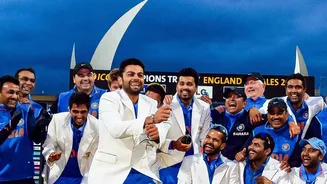
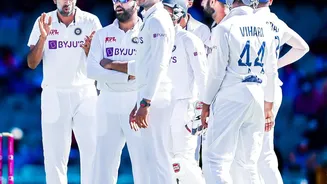
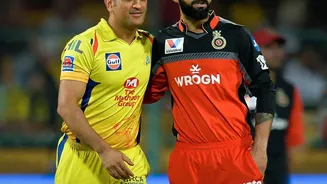
The partnership between a captain and coach is pivotal. In 2017, the relationship between Indian captain Virat Kohli and legendary coach Anil Kumble broke down spectacularly. Kumble, a revered figure, was appointed coach in 2016 and enjoyed a successful year. However, murmurs of discontent began to surface. Players reportedly found Kumble's methods 'intimidating' and the dressing-room atmosphere 'tense'. The discord came to a head after the Champions Trophy final. Kumble stunningly resigned, stating in a public letter that his relationship with the captain had become 'untenable'. The fallout revealed a power struggle at the heart of Indian cricket, with reports suggesting Kohli had expressed his reservations to the BCCI. The episode remains a stark example of how personality clashes at the highest level can fracture even the most successful teams.
Slapgate: The IPL's First Great Scandal
The inaugural IPL in 2008 was designed to be a festival of cricket, but it produced one of the game's ugliest on-field moments that began in the dressing room. Following a match between Mumbai Indians and Kings XI Punjab, an altercation led to Mumbai's stand-in captain, Harbhajan Singh, slapping his India teammate S. Sreesanth. While the slap itself happened in public view, leading to enduring images of a tearful Sreesanth, the tensions had been building. Harbhajan was subsequently banned for the remainder of the tournament and also received a five-ODI ban from the BCCI. Though the two players reconciled and were part of India's 2011 World Cup-winning squad, the wound has never fully healed, with the controversy reigniting as recently as 2026 over a commercial that Sreesanth felt made light of the incident.
The Dropping That Destroyed a Friendship
For years, Shane Warne and Steve Waugh were pillars of Australia's dominant cricketing dynasty. But their relationship fractured irrevocably during a 1999 tour of the West Indies. After a dip in form following shoulder surgery, Warne was dropped by captain Waugh for the final, series-deciding Test. Warne felt betrayed and made a scapegoat. The decision created a rift that never closed. Years later, Warne publicly labelled Waugh 'the most selfish cricketer I've played with', citing the dropping as the core reason for his animosity. Waugh, for his part, has always maintained it was a tough but necessary decision made for the benefit of the team, a call that is part of a captain's job. The feud between two of Australia's greatest players became a public saga, a lasting testament to how a single selection call can end a friendship.
Textgate: The Ultimate Betrayal
Perhaps no dressing-room drama has been as infamous as England's 'Textgate' scandal in 2012. During a home series against South Africa, star batsman Kevin Pietersen was accused of sending derogatory text messages about his own captain, Andrew Strauss, to players in the opposition camp. The allegations suggested Pietersen had not only insulted Strauss and coach Andy Flower but had also offered tactical advice on how to dismiss the English skipper. The revelations caused a firestorm, shattering the trust within the England dressing room. Pietersen was promptly dropped from the team. While he denied giving tactical information, he later admitted to sending 'provocative' texts and apologised. The incident effectively marked the beginning of the end of his brilliant but controversial England career, highlighting the unforgivable nature of undermining a team from within.