







The Familiar Feeling of Baggage Roulette
It’s a scenario that plays out at check-in counters worldwide. A traveller presents a bag that was perfectly acceptable for the first leg of their journey, only to be told it’s too heavy or too large for the second leg, operated by a partner airline.
The result is a frantic shuffle of belongings, a heated conversation with ground staff, and, most often, an unexpected charge for excess baggage. This isn't a rare occurrence; it's a structural flaw in how inter-airline travel is managed. When you buy a single ticket for a journey from, say, Mumbai to Chicago via Frankfurt, you are making a single purchase for a single trip. The expectation is a seamless experience. Yet, the reality of differing baggage allowances between codeshare and interline partners turns packing into a game of chance you are set up to lose.
The 'Most Significant Carrier' Maze
So, whose rule applies right now? The answer is maddeningly complex, governed by an International Air Transport Association (IATA) agreement called Resolution 302. This resolution establishes the “Most Significant Carrier” (MSC) rule, which is meant to create a single standard for any given journey segment. Typically, the MSC is the airline that operates the longest or most significant leg of the trip, often the one crossing an ocean or a major international border. For example, on a trip from Delhi to London via Dubai, if the Dubai-London leg is the longest, that airline's rules might apply. Sounds logical, but it's rarely transparent to the customer at the time of booking. To make it more confusing, for flights to or from the United States, the rule changes: the first marketing carrier (the airline that sold you the ticket) gets to decide the baggage rules for the entire journey. This complex web of rules is difficult for even seasoned travellers to navigate.
An Argument for Radical Simplicity
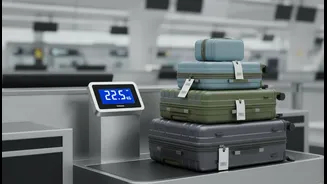
This is where our headline comes in. What if, instead of this confusing MSC logic, the rule was simply this: for any multi-airline itinerary on a single ticket, the baggage allowance (for both checked and carry-on) is determined by the strictest airline in the chain? If one airline allows a 23kg bag but another on your ticket only allows 20kg, then 20kg becomes the limit for the entire trip. If one allows a full-sized carry-on and another only a small personal item, the personal item dimension becomes the standard. This isn't about punishing travellers; it's about providing absolute clarity and predictability. You pack to the most restrictive standard once, at the beginning of your trip, and you are guaranteed to be compliant at every stage. No surprises, no repacking at the gate, no surprise fees.
Why This Benefits Everyone
This 'strictest-rule-wins' approach is fundamentally passenger-first. It eliminates anxiety and empowers the traveller with clear, upfront information. You would know the single set of rules you need to follow before you even start packing. But the benefits extend beyond just passenger convenience. For airlines, it could streamline operations at the check-in desk. Ground staff would be enforcing a single, simple-to-communicate rule for connecting passengers, reducing arguments and delays. While some airlines might lose out on ancillary revenue from last-minute excess baggage fees, the gain in customer satisfaction and loyalty could be far more valuable. It creates a more honest competitive environment where airlines can truly differentiate themselves with generous, easy-to-understand baggage policies, rather than profiting from confusion.