



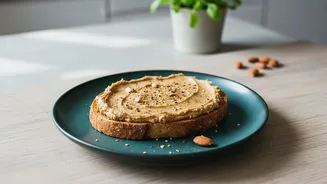
The New Generation of Spreads
For years, the spreadable options on supermarket shelves were predictable. But a quiet revolution has been taking place, led by a new wave of artisan brands. These companies are crafting complex, flavourful butters from a wide array of nuts and seeds,
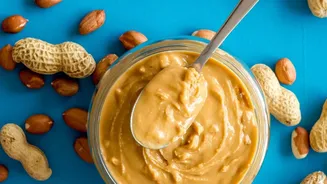
including almonds, cashews, pistachios, and pumpkin seeds. What sets them apart is the infusion of uniquely Indian spices and flavours. We're not just talking about crunchy or smooth anymore; think Thandai-spiced nut butter, Peanut Butter with Byadagi Chilli, Cashew Butter with Chai and Jaggery, or Almond Butter with Lakadong Turmeric. These products cater to a sophisticated palate that craves both novelty and a nod to familiar tastes. This shift represents a move away from bland, mass-produced spreads towards products that offer a gourmet experience right out of the jar.
Driven by Health and Wellness
The explosive growth of these spreads is deeply tied to a broader wellness movement sweeping urban India. With a rising awareness of lifestyle diseases, consumers are actively seeking out healthier food choices. Nut and seed butters fit perfectly into this new paradigm. They are naturally rich in protein and healthy fats, making them a satiating option for breakfast or a post-workout snack. Many brands emphasize clean labels, making products with minimal ingredients and no added refined sugars, palm oil, or preservatives. This aligns with a growing consumer demand for functional foods — products that provide health benefits beyond basic nutrition. As protein consumption moves from a niche concern for gym-goers to a mainstream goal for urban families, these plant-based spreads offer a convenient and delicious way to boost daily intake.
The Plant-Based Revolution
This trend is also a significant chapter in India’s larger plant-based story. While India has a long history of vegetarianism, the modern plant-based movement is driven by a combination of health, ethical, and environmental concerns. Urban consumers, particularly millennials and Gen Z, are increasingly looking for alternatives to traditional dairy and animal products. Market forecasts project significant growth for the plant-based protein market in India, expected to grow at a CAGR of over 14% between 2026 and 2034. Nut butters serve as a crucial entry point. They are an easy swap, a familiar format used in a new way, providing a dairy-free, high-protein alternative that feels indulgent rather than restrictive. This makes them a cornerstone of the modern plant-powered kitchen.
An Urban Phenomenon with Evolving Tastes
The epicentre of this trend is undoubtedly urban India. Cities are where health consciousness, disposable income, and access to niche D2C brands converge. Consumers in metropolitan areas are more likely to experiment with new food products and are willing to pay a premium for quality and perceived health benefits. Brands are responding with innovative flavours that cater specifically to the Indian palate, such as peri-peri cashew butter or versions spiced with cinnamon and cardamom. While traditional plain peanut butter still dominates the market, the growing interest in these artisanal and spiced variants signals a palate that is becoming more adventurous. It reflects a consumer who is not just eating, but curating their diet for health, taste, and lifestyle.
More Than Just Toast
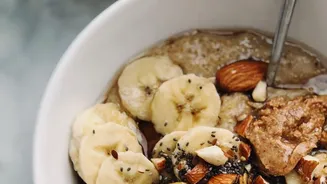
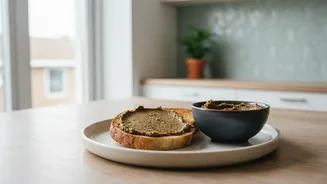
The versatility of these new-age butters is a key part of their appeal. Forget being confined to a slice of bread. Consumers are encouraged to think creatively. A spoonful of almond butter can be blended into a smoothie for a protein boost, a savoury chilli-spiced peanut butter can be used as a base for a satay sauce, and a creamy cashew butter can be stirred into oatmeal or used as a dip for fruit slices. Some brands even provide recipe cards to inspire new uses, framing their products not just as spreads, but as pantry staples that can elevate a wide range of meals and snacks. This adaptability ensures they become integrated into daily eating habits, moving from a novelty purchase to a kitchen essential.