







From 'Doing More' to 'Feeling Better'
For generations, a successful vacation was measured by the number of forts visited, cities covered, and relatives met. But a significant shift is underway. An increasing number of Indian travellers are looking at their leave days not as an opportunity
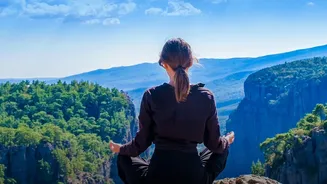
to do more, but to feel better. This has given rise to wellness tourism, a travel philosophy centred on promoting health and well-being. It’s not just about a weekend spa trip; it is travel that is intentionally designed to improve one’s physical, mental, or spiritual state. Instead of returning from a trip feeling even more exhausted, travellers are actively choosing holidays that help them slow down, detox, and recharge. Recent surveys highlight this changing mindset, with a staggering 86% of Indian travellers stating that travel helps them recharge mentally and physically in ways they can't at home.
The Post-Pandemic Push for Peace
The boom in wellness travel is not accidental. It is a direct response to the pressures of modern life, including long work hours, digital fatigue, and urban stress. The post-pandemic era, in particular, has accelerated this trend, leaving many with a lingering sense of burnout and a heightened awareness of their own health. People are no longer just seeking an escape; they are seeking restoration. This has translated into a thriving market. According to the Global Wellness Institute, India's wellness economy has grown significantly, making it one of the top wellness markets globally. Projections show the Indian wellness tourism market is expected to grow substantially, with some analysts forecasting it to reach over USD 43 billion by 2031.
Ancient Roots, Modern Appeal
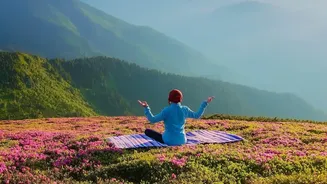
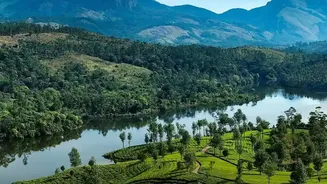
India is uniquely positioned to lead this charge. The country’s deep-rooted traditions of Ayurveda, yoga, and meditation provide an authentic foundation that many destinations cannot replicate. For centuries, these practices have been integrated into daily life, and now they are being packaged for the modern traveller. Destinations like Kerala, long known as the heart of Ayurveda, and Rishikesh, the global capital of yoga, continue to be popular hubs. Travellers are flocking to these locations for everything from intensive Panchakarma detox programs to quiet meditation retreats. The introduction of a dedicated Ayush Visa by the Indian government further simplifies access for international visitors seeking treatment under these traditional systems, reinforcing the country's global wellness identity.
Beyond Ayurveda and Yoga
While Ayurveda and yoga are the main attractions, the definition of a wellness holiday is broadening. The modern wellness seeker might be looking for a digital detox retreat to escape screen dependency, a stay at an eco-lodge to reconnect with nature, or simply a quiet place with clean air and farm-to-table meals. This demand is creating new hubs of wellness across the country. Beyond the traditional strongholds in South and North India, regions like Rajasthan are developing desert-wellness concepts, and Himalayan retreats in Himachal Pradesh are leveraging their climate for restorative getaways. Luxury hotel chains have also recognised the trend, integrating comprehensive wellness programs that include spa treatments, personalised nutrition, and fitness regimes into their offerings.
A New Holiday Mindset
This evolution in travel preferences reflects a deeper change in priorities. The questions are shifting from 'Where can I go?' to 'How do I want to feel when I come back?'. It marks a move away from performative travel—collecting experiences for social media—towards personal, transformative journeys. Stress reduction is a primary motivator, with many travellers specifically seeking experiences that calm the nervous system. It’s about investing in oneself, where the 'return' is not a photo album but a renewed sense of balance and clarity. This focus on personal well-being is not just a passing trend but a fundamental re-evaluation of what a holiday is for.