






Why Humidity is a Greater Danger Than Dry Heat
We humans cool down by sweating, a process that works well even in dry heat. Dogs and cats, however, have very few sweat glands, mostly in their paws. Their primary cooling mechanism is panting, which allows them to evaporate moisture from their respiratory
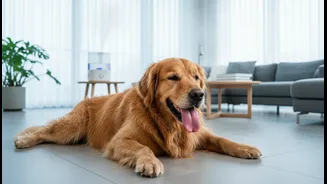
tract. But when the air is already saturated with moisture—as it is during India's monsoon season or in coastal cities—this evaporation process becomes highly inefficient. The pet can pant excessively but fail to lower its body temperature, leading to a dangerous spike. This means a pet can be at risk of heatstroke even on a moderately warm but very humid day, and even when indoors.
Spotting the Warning Signs of Overheating
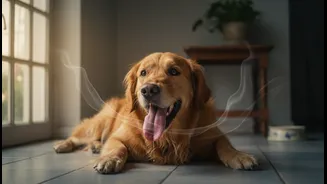
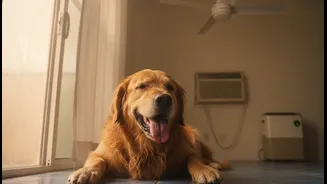
Recognising the early signs of heat distress is crucial for preventing a medical emergency. While heavy panting is the most obvious sign, there are other, more subtle clues to watch for. Look for excessive drooling, where the saliva may appear thick and sticky. Your pet's gums might turn a bright or dark red. They may become lethargic, weak, or restless, seeking out cool surfaces like tiled floors. In more serious cases, you might notice dizziness, a lack of coordination, vomiting, or diarrhoea. If you see signs like collapse, disorientation, or seizures, it is a critical emergency requiring immediate veterinary attention.
Breeds at Higher Risk in Indian Climates
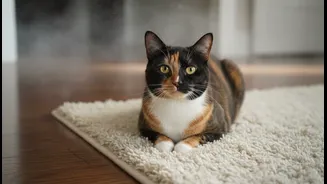
While all pets are at risk, some are more vulnerable. Brachycephalic, or flat-faced, breeds are especially susceptible. Popular breeds in India like Pugs, Bulldogs, Boxers, and even Persian cats have compressed airways that make efficient panting difficult from the start. The extra effort they must put into breathing in humid conditions can cause them to overheat very quickly. Pets with thick or dark coats, such as Huskies or German Shepherds, are also at a higher risk, as their fur traps heat. Additionally, overweight pets, seniors, and those with pre-existing heart or respiratory conditions struggle more with temperature regulation.
Your Home Utility Toolkit for Pet Safety
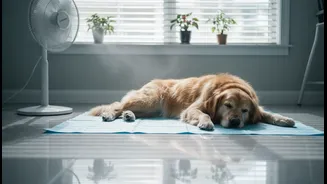
Proactively managing your home environment is the key. Your home appliances are your best defence. An air conditioner is the most effective tool, as it cools the air and reduces humidity. Keep the temperature at a comfortable, consistent level. A dedicated dehumidifier is also an excellent investment, as its sole purpose is to remove moisture from the air, making your pet's natural panting more effective. Many people rely on fans, but it's important to understand their limitation. Fans cool humans by accelerating sweat evaporation. Since dogs don't sweat much, a fan alone is less effective and mainly just circulates hot air. However, a fan can help improve air circulation and make panting more efficient, so it's best used in conjunction with AC or in a room that is already cool.
Low-Cost Hacks and Essential Habits
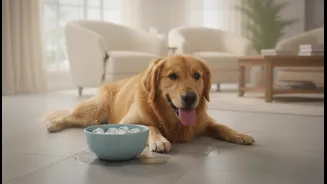
Beyond utilities, simple habits make a huge difference. Always ensure your pet has access to multiple bowls of fresh, cool water. On very hot days, adding a few ice cubes to their water can help. Cooling mats provide a comfortable, chilled surface for your pet to lie on. You can also use damp towels for them to rest on or loosely tie a damp bandana around their neck for a personal cooling effect. Adjust your walk schedules to early morning or late evening, and always test the pavement with your hand; if it’s too hot for you, it’s too hot for their paws. Finally, regular brushing to remove loose undercoat helps improve airflow through their fur, providing natural cooling.