



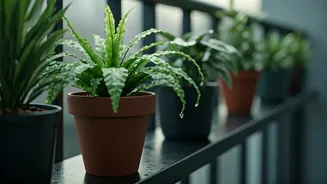


The Kitchen Secret for Lush Gardens
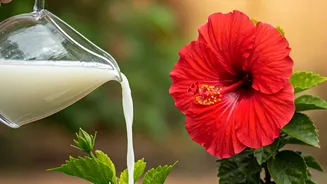
For generations, gardeners across Asia have used rice water as a gentle, organic fertilizer. This isn't just an old wives' tale; it's a sustainable practice rooted in science. The cloudy liquid left over from rinsing or boiling rice is rich in starch,
vitamins, and minerals that are washed off the grains. When you discard this water, you're throwing away a free, nutrient-dense supplement that your plants, especially heavy feeders like hibiscus, can readily absorb. Using it in your garden is a perfect example of a zero-waste mindset, turning a common kitchen byproduct into a valuable resource for nurturing your plants and enriching your soil without any cost or chemical additives.
Why Your Hibiscus Will Thank You
Hibiscus plants are known for their stunning, tropical blooms, but producing those large, vibrant flowers requires a lot of energy and nutrients. Rice water provides a mild but meaningful boost perfectly suited to their needs. The starches in the water feed beneficial microorganisms in the soil, like mycorrhizal fungi, which help the plant's roots absorb more nutrients and water. Furthermore, rice water contains trace amounts of essential macronutrients—nitrogen (N), phosphorus (P), and potassium (K)—as well as B vitamins like thiamine, which is known to encourage robust root development. This helps build a strong foundation, making the plant more resilient and better equipped to produce a continuous show of beautiful flowers.
How to Prepare Your Rice Water
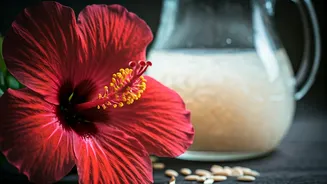
Making this organic fertilizer is incredibly simple. There are two main methods. The first is the 'quick rinse' method: when you rinse rice before cooking, simply collect that first or second cloudy rinse in a clean container. The second is the 'soaking' method: if you soak your rice for 30 minutes or more, the resulting water is even more nutrient-rich. For an extra boost, you can ferment it. To do this, leave the collected rice water in a loosely covered jar at room temperature for 24-48 hours. It will develop a slightly sour smell, which is a sign that beneficial microbes are at work, making the nutrients even more bioavailable to the plant and slightly lowering the pH, which acid-loving hibiscus appreciate. A crucial rule for any method: always use water from plain, uncooked rice. Never use water that has been salted, seasoned, or had oil added to it, as this can harm your plants.
The Right Way to Nourish Your Plant
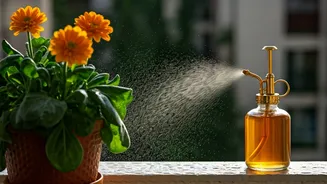
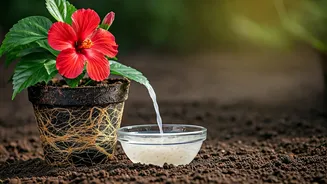
Proper application is key to success and avoiding any potential issues. Regardless of whether you use fresh or fermented rice water, you must dilute it. A good rule of thumb is a 1:1 ratio—one part rice water to one part plain water. This prevents the starchy solution from becoming too concentrated, which could otherwise lead to soil compaction or attract pests. Use this diluted mixture to water your hibiscus at the base of the plant, directly onto the soil. Avoid splashing it on the leaves, as this can encourage fungal growth. Rice water should be considered a supplement, not a replacement for regular watering or a balanced fertilizer program. Apply it once every two to four weeks during the active growing season (spring and summer) for the best results.
Common Mistakes to Avoid
While beneficial, using rice water improperly can cause problems. The most common mistake is overdoing it. Applying it too frequently or without dilution can create a starchy film on the soil surface, hindering water absorption and potentially causing unpleasant odours as it decomposes. Another pitfall is using it on already waterlogged soil; always check that the top inch of soil is dry before you water. Also, be mindful of your environment. In very humid climates, the extra organic material could attract fungus gnats or mould, so ensure your plants have good air circulation. Finally, remember that rice water is a mild fertilizer. If your hibiscus shows signs of significant nutrient deficiency, such as yellowing leaves (chlorosis), it will still require a more comprehensive, balanced fertilizer in addition to this natural supplement.