


A Lake Unlike Any Other
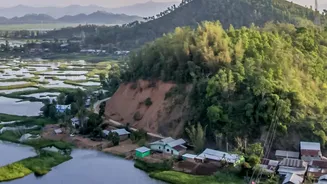
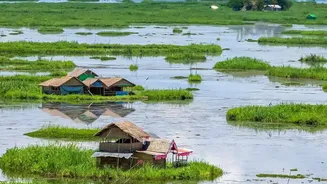
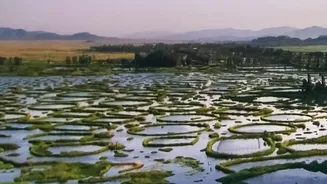
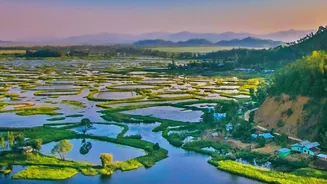
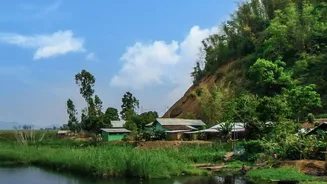
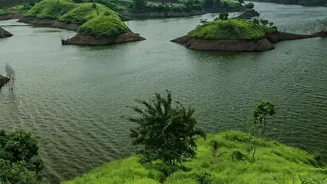
Located about 45 kilometres from Imphal, the capital of Manipur, Loktak Lake is a breathtaking expanse of water that serves as the lifeline for the state. What makes it globally unique are the 'phumdis' – thousands of floating islands that drift across
its surface. These are not mere patches of weeds but solid landmasses, strong enough to support the homes of local fishermen and even an entire national park. The lake's ecosystem is a delicate balance of water, vegetation, and human life, creating a landscape that is both serene and vibrant. It is a vital source for irrigation, drinking water, and local livelihoods, with thousands of fishermen depending on its rich fish population.
The Science of the Phumdis
So, what exactly are these phumdis? They are complex, heterogeneous masses of vegetation, soil, and organic matter that have decomposed and matted together over many years. These islands have a spongy, buoyant texture. Like an iceberg, only about 20% of a phumdi's mass is visible above the water, while the remaining 80% is submerged. During the dry season, when the water level is lower, the roots of the vegetation can reach the lakebed to absorb nutrients, which helps them grow thicker and more robust. This natural process creates the stable, floating platforms that define the lake's character and support its diverse flora and fauna.
The World's Only Floating National Park
The largest single phumdi on Loktak Lake, covering an area of 40 square kilometres, hosts the Keibul Lamjao National Park – the only floating national park in the world. This extraordinary park was established in 1977 to protect the endangered Sangai deer, a subspecies of brow-antlered deer found only in Manipur. Often called the 'dancing deer' for its delicate gait on the spongy phumdis, the Sangai was once thought to be extinct but was rediscovered here in the 1950s. The park is a conservation success story and the last natural refuge for this graceful animal. Visitors can spot not only the Sangai but also other wildlife like hog deer, otters, and a wide variety of bird species, especially during the migratory season from November to March.
Life on the Water
For centuries, the Meitei people have built their lives around Loktak Lake. Thousands of fishermen live on the phumdis in small, rustic huts called 'phumsangs', creating floating villages. Their livelihood is almost entirely dependent on the lake, primarily through fishing. They use traditional wooden boats for transportation and have developed unique fishing techniques, such as creating circular phumdi enclosures called 'athaphums' to trap fish. Life here moves at a different pace, dictated by the seasons and the rhythm of the water. Staying in a floating homestay offers a chance to experience this unique way of life firsthand, providing insight into the culture and daily routines of the communities that call this remarkable lake home.
Planning Your Visit to Loktak Lake
The best time to visit Loktak Lake is between October and March, when the weather is cool and pleasant, offering clear skies for sightseeing and boat rides. The nearest airport is in Imphal, from where you can hire a taxi for the 1.5-hour drive to the lake. Once there, the main attractions include taking a boat safari in Keibul Lamjao National Park for a chance to see the Sangai deer, visiting Sendra Island for panoramic views, and exploring the floating villages. For the best wildlife viewing, an early morning trip into the park is highly recommended. Whether you are a nature lover, a wildlife enthusiast, or a cultural explorer, Loktak Lake offers an unforgettable journey into one of India’s most magical landscapes.