





A Protein Switch for Burning Fat
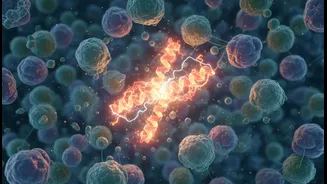
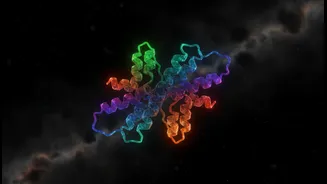
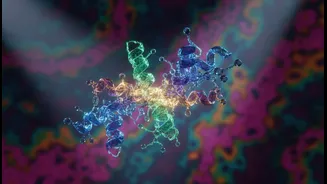
Scientists have identified a protein that acts like a crucial switch in determining how our cells manage energy. The protein, officially named MTCH2 but nicknamed "Mitch," appears to play a significant role in deciding whether fat is stored or burned
for fuel. In a study published in early July 2026, researchers found that disabling this protein in human cells had dramatic effects. It ramped up the rate at which cells burned both fats and carbohydrates for energy. The discovery builds on earlier research in mice, where animals engineered to lack the Mitch protein in their muscles were leaner, had greater physical endurance, and showed a remarkable resistance to gaining weight. This new work takes a step further by demonstrating a similar mechanism in human cells, sparking fresh interest in its potential.
Why This Finding Is Exciting
The potential implications of this discovery are significant, particularly for obesity treatment. Many modern weight-loss medications work by suppressing appetite, but they can sometimes lead to the loss of muscle mass along with fat. Targeting the Mitch protein could offer a different strategy. By making cells less efficient at producing energy, they are forced to consume more fuel to meet their needs. The study showed that cells lacking Mitch began to rely much more heavily on fat as their primary energy source, even breaking down fats from cell membranes for fuel. Furthermore, the research revealed that disabling Mitch also makes it harder for new fat cells to develop in the first place. This dual action—burning existing fat more aggressively while simultaneously blocking the creation of new fat stores—presents a promising new avenue for developing therapies that could tackle obesity from multiple angles.
The Crucial Caveats to Consider
While the findings are promising, it is essential to approach them with a healthy dose of caution. First and foremost, this research was conducted on human cells in a laboratory setting, not in actual people. Results seen in cell cultures and even in animal models do not always translate directly to human health. There is a long road of clinical trials ahead to determine if targeting the Mitch protein is both safe and effective for weight loss in humans. One major concern is that putting cells into a constant state of energy shortage could create unintended stress on tissues and organs, potentially leading to other health problems. Scientists will need to find a way to harness the benefits without causing harm. The body's metabolism is an incredibly complex system with numerous feedback loops, and altering one key component can have unforeseen consequences elsewhere.
Putting It All in Context
This research fits into a broader scientific effort to understand the intricate mechanisms of fat metabolism, particularly the difference between energy-storing white fat and energy-burning brown or beige fat. For years, scientists have been searching for ways to encourage the body to convert white fat into more metabolically active beige or brown fat, which burns calories to generate heat. The Mitch protein appears to be another piece of this complex puzzle. While some existing drugs have been shown to incidentally activate brown fat, developing a treatment that specifically targets a mechanism like the one controlled by Mitch could offer a more direct and potent approach. However, it joins a long list of enzymes and pathways, like HSL, PexRAP, and PHD3, that have been identified as key regulators of fat breakdown in studies over the years. Each discovery adds to our knowledge but also highlights the complexity of developing a one-size-fits-all solution for metabolic health.