








Why Humidity Is the Real Challenge
Your body has a brilliant cooling system: sweating. When you exercise, you heat up, and your body produces sweat. The evaporation of that sweat from your skin is what actually cools you down. But when the air is already saturated with water vapor—in other
words, when it's humid—your sweat can't evaporate efficiently. This means your body’s primary cooling mechanism is short-circuited. You'll keep sweating, losing fluids and vital electrolytes, but without getting the cooling benefit. As a result, your internal body temperature can rise faster, your heart has to work harder to pump blood to the skin to try and cool down, and your workout will feel significantly more difficult.
The Dangers of Exercising in 'Wet' Heat
Pushing yourself too hard in high humidity isn't just uncomfortable; it's dangerous. When your body can't cool itself, you become vulnerable to a range of heat-related illnesses. The first signs are often muscle cramps and excessive sweating. This can quickly progress to heat exhaustion, a serious condition with symptoms that include heavy sweating, a weak and rapid pulse, dizziness, headache, and nausea. If left untreated, heat exhaustion can lead to heatstroke, a life-threatening emergency where the body's temperature rises to dangerous levels (40°C or higher). Symptoms of heatstroke include confusion, slurred speech, and loss of consciousness. It requires immediate medical attention.
Your New Guide: The Heat Index
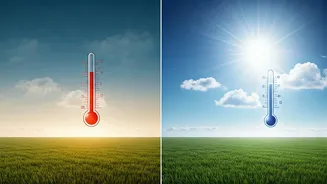
Instead of looking only at the temperature, fitness experts recommend using the heat index. This measurement combines air temperature with relative humidity to give you a “feels like” temperature, which is a much better indicator of the stress on your body. As a general rule, you should start using caution when the heat index climbs above 27°C. When the heat index is 32°C or higher, the risk of heat-related illness for athletes increases significantly. If the humidity is over 60-70%, your body's ability to cool itself is noticeably impaired, and performance can decline sharply.
Smart Scheduling for Safer Workouts
The most effective way to beat the humidity is to adjust your workout schedule. The best times for outdoor exercise are typically early in the morning or later in the evening, when both the temperature and humidity levels are lower. Avoid exercising during the hottest part of the day, usually between 10 a.m. and 4 p.m. On days with particularly high heat and humidity, be flexible. This is not the time to chase a personal best. Consider reducing the intensity or duration of your workout, taking more frequent breaks, or moving your session indoors to an air-conditioned gym. Choosing a shaded route, like a forest trail, can also provide significant relief.
Essential Adjustments: Hydration and Gear
When it's humid, hydration is non-negotiable. Don't wait until you feel thirsty, as thirst is a delayed indicator of dehydration. Start hydrating well before your workout and continue to drink water every 15-20 minutes during your activity. For intense workouts lasting longer than an hour, a sports drink can help replenish lost electrolytes like sodium and potassium. Your clothing also plays a huge role. Opt for lightweight, loose-fitting, and light-colored apparel made from moisture-wicking fabrics. These materials help pull sweat away from your skin, aiding whatever little evaporation is possible and keeping you cooler than cotton, which holds moisture.