

Why Autumn is Sohra's Secret Season
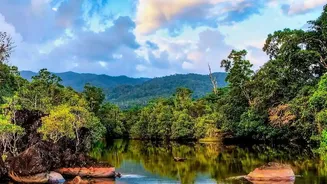
While many travellers chase the torrential rains of the monsoon, the post-monsoon period from October to November offers a unique and arguably more pleasant experience. This is the sweet spot for travel in Meghalaya. The landscape, freshly watered and intensely
green, is at its most beautiful. However, the heavy rains have subsided, replaced by comfortable daytime temperatures perfect for trekking and exploration. Crucially, the peak tourist crowds have dispersed, giving you a more serene and personal encounter with the region's natural marvels. The weather is generally drier, making trails safer and outdoor activities more enjoyable. You get the best of both worlds: the vibrant, post-monsoon scenery and the comfort of travel without constant downpours.
Waterfalls in Their Autumn Glory
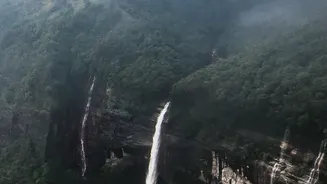
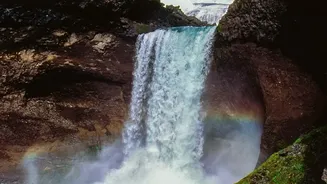
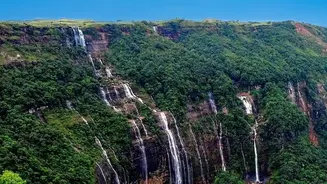
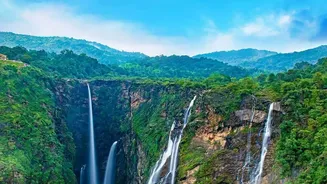
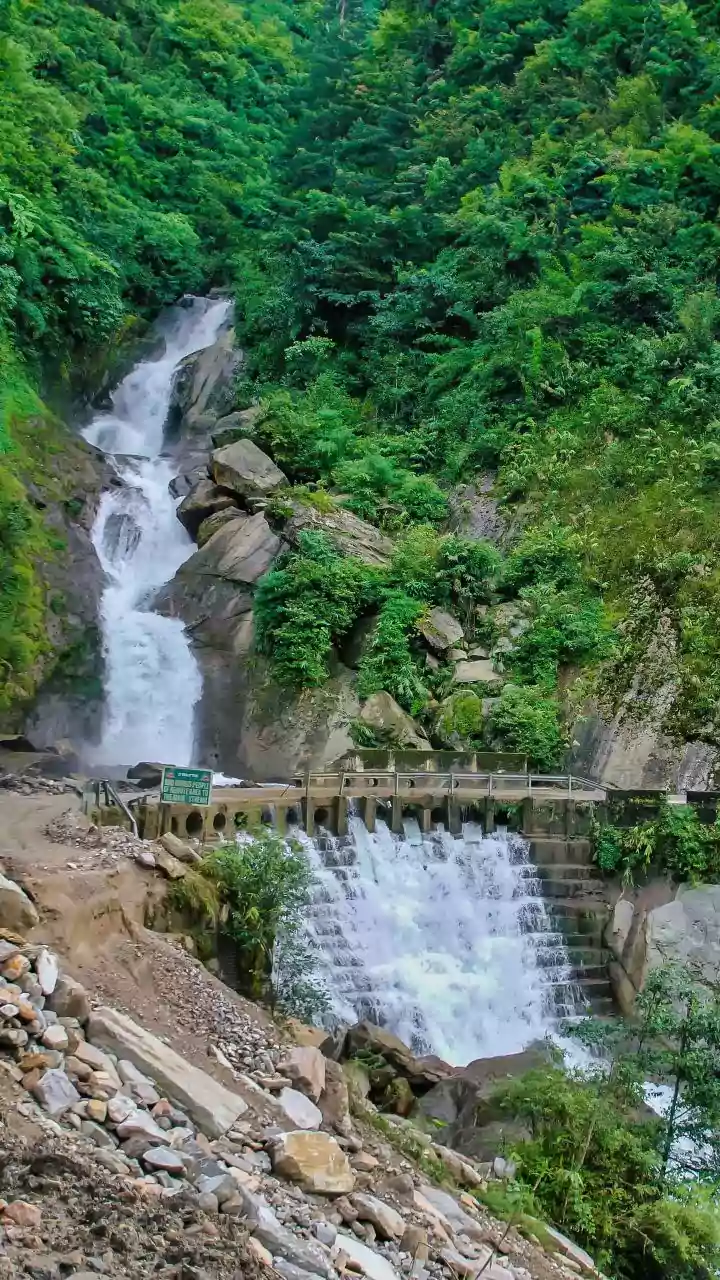
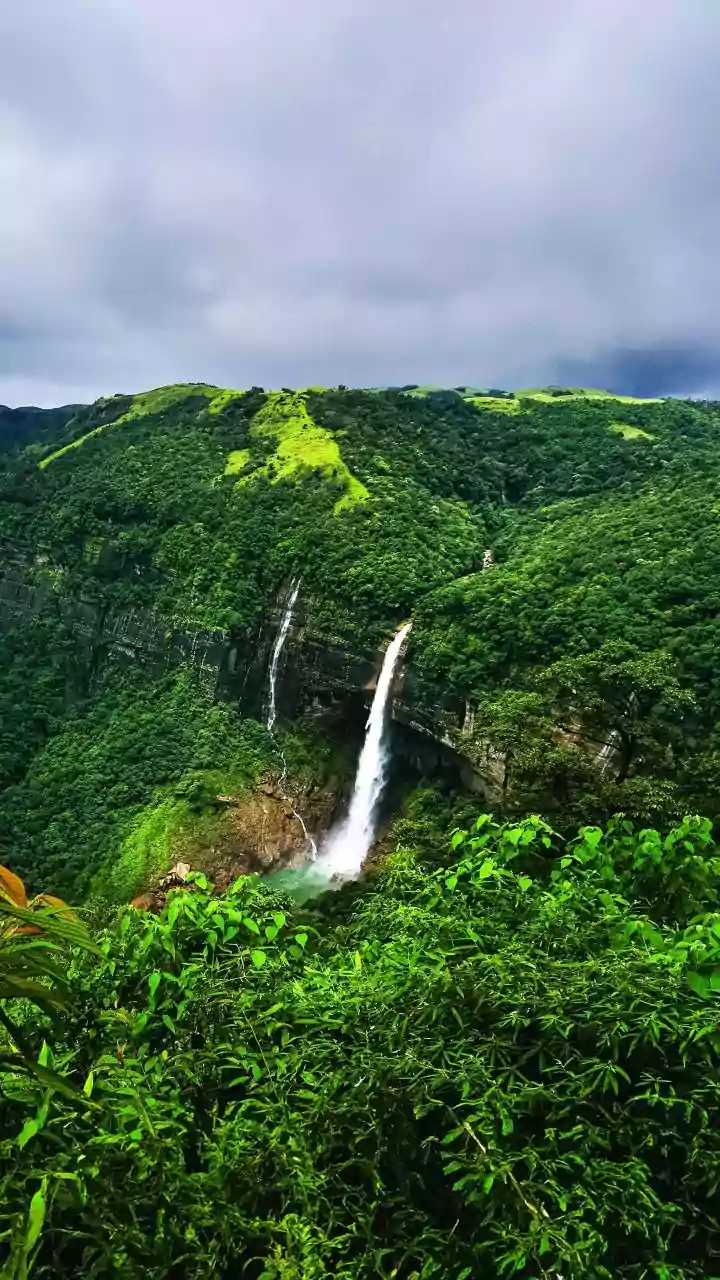
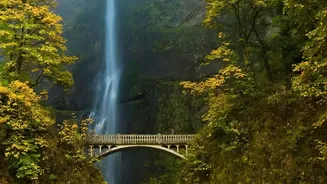
Sohra, also known as Cherrapunji, is legendary for its waterfalls, and an autumn visit does not disappoint. The cascades, still fed by the season's heavy rains, remain powerful and majestic. In autumn, you can often see them without the thick fog that frequently shrouds them during the monsoon. Nohkalikai Falls, India's tallest plunge waterfall, is a spectacular sight as it drops into a vibrant turquoise pool below. Similarly, the Seven Sisters Falls (Nohsngithiang Falls) still presents a beautiful panorama against the limestone cliffs. While the sheer volume of water might be slightly less than at the absolute peak of the monsoon, the trade-off is clearer, unobstructed views perfect for photography.
Trekking to the Living Root Bridges
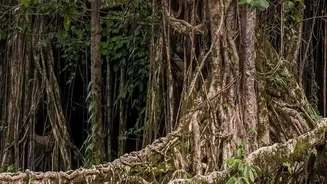
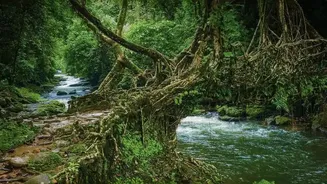
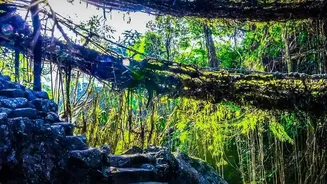
A trip to Meghalaya is incomplete without witnessing the bio-engineering marvels of the living root bridges, created by the indigenous Khasi people. The most famous, the Umshiang Double-Decker Root Bridge in Nongriat village, requires a significant trek of over 3,000 steps. Autumn is arguably the best season for this challenging but rewarding journey. The paths are much safer and less slippery than during the monsoon, and the lower humidity makes the strenuous climb more manageable. These incredible structures, patiently guided from the aerial roots of rubber fig trees (Ficus elastica), are a testament to living in harmony with nature and grow stronger over time. Beyond the famous Double Decker, other bridges in the Sohra area and nearby regions like Mawkyrnot offer quieter but equally magical experiences.
Uncovering Sohra's Other Wonders
Autumn's pleasant weather opens up the chance to explore beyond the waterfalls and bridges. Delve into Mawsmai Cave, a well-lit and accessible limestone cave system that offers a fascinating glimpse into the region's geology. For a more rugged adventure, the nearby Arwah Cave presents a darker, more intricate network for keen explorers. You can also visit the Eco Park for sweeping panoramic views of the surrounding valleys and even the plains of Bangladesh on a clear day. For those seeking truly offbeat paths, a trip to see the hidden Umkar Root Bridge or the multi-tiered Kynrem Falls can reveal a side of Sohra that few tourists get to see.
Practical Tips for an Autumn Trip
The best time for this offbeat adventure is from October to November. The weather is comfortably cool, with temperatures ranging from around 13°C to 24°C, though light showers are still possible. Pack comfortable walking shoes with good grip, light layers, and a rain jacket just in case. While you can drive yourself, hiring a local taxi or driver is often recommended as they are familiar with the narrow, winding hill roads. Accommodation ranges from resorts to homestays, which offer a wonderful opportunity to experience Khasi hospitality. Start your sightseeing days early to make the most of the daylight and to get the clearest views before any afternoon clouds roll in.