


The Puppy and Kitten Phase: Building Trust
The first grooming experiences for a puppy or kitten are foundational. The goal is not a perfect trim but creating a positive association that lasts a lifetime. Keep sessions short, frequent, and full of rewards. Gently handle their paws, ears, and tail
daily to desensitize them to touch. Introduce tools slowly; let them sniff the brush before you use it and hear clippers from a distance before they ever touch their fur. The first professional groom should be a simple introduction to the bath, dryer, and the environment, focusing on maintenance like a nail trim rather than a full haircut. By making it a positive and predictable experience, you're setting the stage for a lifetime of stress-free grooming.
Grooming Senior Pets: A Gentle Approach
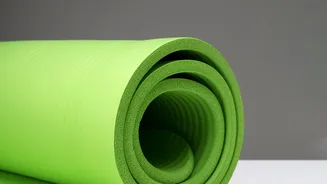
As pets enter their golden years, their grooming requirements shift significantly. Senior animals often have thinner, more sensitive skin, reduced flexibility due to arthritis, and may have developed lumps or bumps. Grooming sessions should be shorter to prevent fatigue and standing for long periods. Use soft-bristled brushes to avoid irritating delicate skin, and be extra gentle around joints. Non-slip mats in the tub and on the floor can prevent falls and provide stability for pets with mobility issues. Regular grooming for seniors isn't just about looks; it helps you monitor for new health issues, prevents painful matting that they can no longer handle themselves, and improves circulation.
Adapting for Mobility Challenges
Pets with arthritis, injuries, or other physical disabilities require a customized grooming plan. The primary focus should always be their comfort. Forcing a pet into a painful position will only create fear and anxiety. Many grooming tasks can be done while the pet is sitting or lying down on a comfortable, padded surface. If a pet has trouble standing, you can work on one side and then gently help them switch positions. Breaks are essential. Consider using adaptive tools, like lightweight brushes with ergonomic handles, or investing in a ramp to help them get into a tub without straining. For severe mobility issues, a professional groomer with experience handling special needs pets can be an invaluable partner.
Bathing and Nail Care Considerations
Bathing and nail trimming can be particularly stressful for young, old, or infirm pets. For seniors, baths should be less frequent to avoid drying out their skin. When you do bathe them, use lukewarm water, as it can be soothing for sore joints. For puppies, the first few baths should be quick and positive. For all pets with special considerations, a non-slip mat is a must. Nail care is also critical. Less active senior dogs don't wear their nails down naturally, and overgrown nails can cause pain and affect their gait. If a pet has difficulty standing, you can trim their nails while they lie down, taking breaks between paws.
Recognizing the Signs of Stress
Understanding your pet's body language is key to safe grooming. Signs of stress can be subtle at first. Early indicators include yawning when not tired, excessive lip licking, and looking away. As stress escalates, you might see a "whale eye" (when the whites of their eyes are visible), trembling, or a tucked tail. A pet that suddenly freezes is often misinterpreted as being cooperative, but this is a critical sign of being overwhelmed. If you notice these signals, it's time to stop. Take a break, offer reassurance, and reassess your approach. Pushing a stressed pet can lead to fear-based aggression and will make future grooming sessions more difficult.