





Embrace Wooden Elements
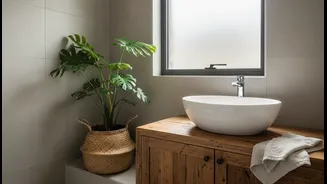
Wood is an essential element for adding warmth and a natural feel to a bathroom. While you might worry about its durability in a humid environment, choosing the right kind of wood makes all the difference. Teak and bamboo are excellent choices as they
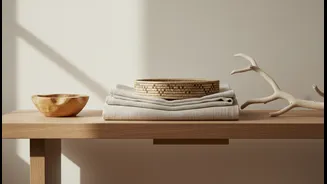
are naturally resistant to moisture. You can incorporate these woods in various ways. A teak bath mat or shower stool not only feels great underfoot but also introduces a spa-like quality. Consider adding wooden floating shelves for storage or a vanity with a natural wood finish to serve as a warm focal point in the room. Even smaller details, like a wooden soap dish or mirror frame, can contribute to a cosier atmosphere.
Introduce Woven Wonders
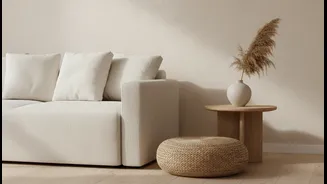
Woven materials like rattan, jute, and wicker bring a soft, earthy texture that beautifully counteracts the hard gleam of tile. These materials are perfect for accessories that can be easily swapped out. A large woven laundry hamper or a set of wicker storage baskets on a shelf can make a significant impact, adding both function and visual interest. For a bolder statement, consider a jute or sisal rug, which adds a rustic touch and is pleasant to walk on. These natural fibres introduce an organic, less uniform pattern that helps break up the rigid grid of tile, making the space feel more relaxed and inviting.
Soften with Natural Textiles
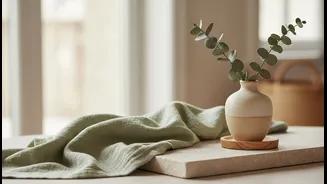
One of the quickest and most effective ways to add warmth is by upgrading your textiles. Ditch thin, worn-out towels for plush, high-quality cotton or linen options. Neatly folded or rolled, they add a layer of softness and colour. A thick, comfortable bath mat is essential for providing warmth underfoot when you step out of the shower. Don't overlook the shower curtain; swapping a plastic liner for a fabric one in a natural material like linen or a heavy cotton weave can dramatically soften the entire room's look. Choose earthy, neutral tones like beige, taupe, or soft greens to enhance the calming, natural theme.
Bring in Living Greenery
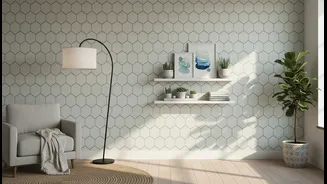
Plants are a fantastic way to breathe life and organic texture into a sterile space. Many plants thrive in the humidity of a bathroom, making it an ideal environment for them. Ferns, snake plants, pothos, and peace lilies are all great low-maintenance options that do well in lower light. You can place small pots on a windowsill or on corner shelves. If you're short on surface area, consider hanging planters to draw the eye upward and add layers of green. The natural shapes and vibrant colour of plants provide a living contrast to the flat, hard surfaces of tile and porcelain.
Ground the Space with Stone
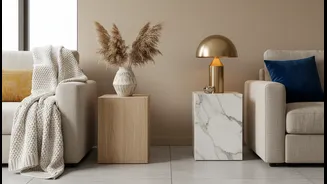
While it may seem counterintuitive to fight tile with more stone, using natural stone accessories with organic textures and warmer tones can ground the space. Unlike glossy ceramic, materials like travertine, slate, or honed marble have a more tactile, earthy quality. Look for a stone soap dispenser, a tray for holding toiletries, or a canister for cotton balls. These small, heavy elements provide a sense of permanence and luxury. A vessel sink made from carved stone can also become a stunning centrepiece that introduces an imperfect, natural shape into the room.